
24/7 Customer Support

Free returns

Same-day & Next-day Delivery

Quality Guaranteed

Unlock Your Welcome Offers: FREE Delivery | Up to 80% OFF | Free 30-day JoyPlus trial
Download the APP
Buying disposable incontinence underwear should be straightforward, but product descriptions often make comparisons difficult. Pack sizes, absorbency labels and sizing systems vary, while terms such as “maximum protection” may not explain how a product performs during movement or overnight use.
Whether you are buying for yourself, supporting a relative or looking for postpartum underwear, the most useful approach is to focus on fit, absorbency construction and the intended time of use. Parents should also note that adult pull-ups and toddler potty-training pants are different product categories, even though both are worn by stepping into the garment.
“Heavy absorbency” and “overnight” are useful indicators, but they do not replace checking the product design. Look for details such as an absorbent core, interior leg gathers, side barriers and a backsheet designed to reduce sagging. These features are more informative than a large claim printed on the front of a pack.
For lighter daytime needs, a thinner adult pull-up may be more comfortable and economical. For longer periods without changing, a wider core and additional leak barriers may be more suitable.
A garment that is too loose can leak around the legs and waist. One that is too tight may feel restrictive and cause rubbing. Do not choose solely by clothing size. Check the manufacturer’s waist, hip or weight guidance, then consider body shape and how much movement is involved.
If the product is for someone who sits for long periods, bends frequently or moves between a wheelchair and bed, a secure but flexible waistband is particularly important.
Odour-control layers can help contain unwanted smells, but no disposable product should be left on indefinitely. Regular changes support comfort and hygiene. Follow the pack instructions, dispose of used underwear in a household waste bin and never flush it down the toilet.
Match the product to the likely volume and timing of leakage:
Product descriptions may use different absorbency terminology, so comparing the construction is more reliable than comparing one label with another.
Useful design features include elastic waistbands, flexible leg openings, interior leg gathers and reinforced leak guards. Some products use all-round elastic designs to keep the absorbent area closer to the body during movement.
A correct fit should sit securely without digging into the skin. Check the leg cuffs after putting the garment on and adjust them so they are not folded inwards.
If sensitivity is a concern, check the materials and exclusions on the packaging. Some disposable incontinence underwear is described as latex-free, lotion-free and fragrance-free. Breathable non-woven fabrics may feel more comfortable during extended daytime wear, although personal tolerance differs.
Always stop using a product if irritation develops and seek medical advice if skin problems persist. Disposable underwear is for external use only and should not be washed or reused.
Search results for “pull-ups” can be confusing. Adult pull-ups and unisex incontinence underwear are designed for bladder or bowel leakage, while potty training pants are intended to support a toddler moving from nappies towards ordinary underwear.
For children, check the stated weight range and age guidance. Daytime training pants may include a wetness indicator or learning layer, while night-time versions generally focus on additional absorbency and easy removal. Products such as Huggies Pull-Ups should be used according to the label and changed when wet or soiled.
A pull-up bar, meanwhile, is home gym equipment and has nothing to do with protective underwear. Doorway bars and a power tower dip station are for strength training, not personal care. If you are comparing fitness equipment, check doorway dimensions, maximum load, assembly requirements and frame stability separately from this guide.
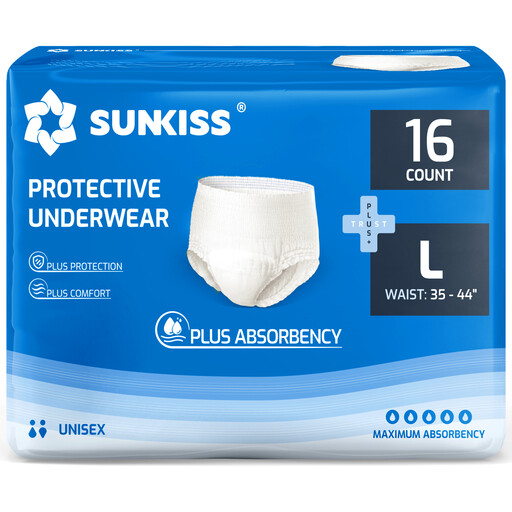
Why This Fits Their Persona: A practical unisex option for shoppers who want heavy absorbency features without committing to a larger 30-count daytime pack.
The description identifies anti-leak side barriers, breathable fabric and flexible leg openings rather than relying only on a protection slogan.
Unisex design; elastic waistband; flexible leg openings; 16 pants per pack.
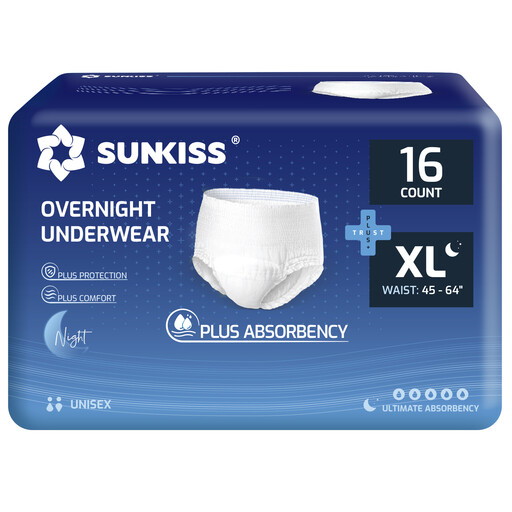
Why This Fits Their Persona: Suitable for shoppers prioritising overnight coverage, quick-drying construction and a soft fabric described as latex-, lotion- and fragrance-free.
It specifies a dual-core system, extra-wide core, interior leg gathers and a sag-resistant backsheet, giving more detail than a generic overnight claim.
Heavy absorbency; extra-wide core; odour-control layer; available in multiple sizes.
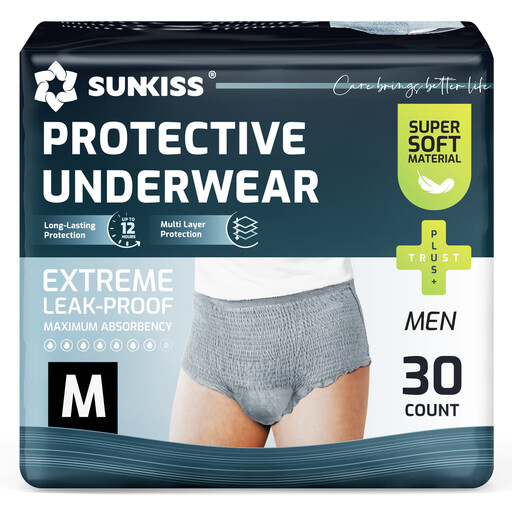
Why This Fits Their Persona: Designed for men needing a daytime pack with an ergonomic fit and features suited to regular movement.
The product description gives a specific men’s fit, reinforced leak guards and a 357-degree elastic design instead of an unspecified unisex cut.
30-count pack; ergonomic men’s fit; breathable material; odour-lock technology.
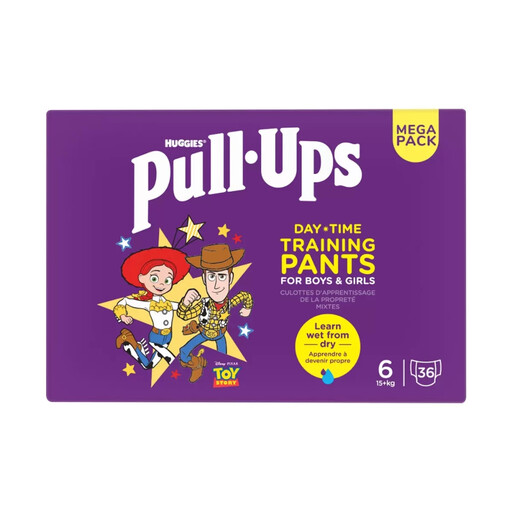
Why This Fits Their Persona: A daytime training option for toddlers aged two years and above, with a pull-on format and features intended to support independent dressing.
The pack specifies a 360-degree stretchy waistband, learning layer and wetness indicator, helping carers distinguish training features from adult leak protection.
Unisex design; 36 pants per pack; wetness indicator; easy pull-on format.
Before use, check the product is intact and select the correct size. Step into the underwear and pull it up evenly, ensuring the waistband and leg cuffs sit correctly. Change it when wet, soiled or uncomfortable.
Keep unused packs in a cool, dry place. Used products should be wrapped and placed in a household waste bin. Do not flush disposable incontinence underwear or potty-training pants, as they can block domestic plumbing.
There is no universal time limit because leakage level, activity and product capacity vary. Change the garment when it is wet, soiled, full or uncomfortable and follow the manufacturer’s instructions. Overnight products are designed for longer periods, but they should still be changed promptly when required.
Some products are listed for postpartum use because their pull-up shape and absorbent core can offer practical coverage. However, postpartum recovery needs differ. Check the materials, fit and care guidance and speak with a midwife or healthcare professional if bleeding is heavy, painful or unusual.