
24/7 Customer Support

Free returns

Same-day & Next-day Delivery

Quality Guaranteed

Unlock Your Welcome Offers: FREE Delivery | Up to 80% OFF | Free 30-day JoyPlus trial
Download the APP
Disposable towels can simplify facial cleansing, make-up removal, travel and post-gym routines. They also help when you need a fresh towel without carrying damp laundry home. However, not every pack labelled “soft”, “eco-friendly” or “highly absorbent” offers the same practical value.
The main buying decision is not simply how many sheets you receive. You also need to consider the material, sheet dimensions, packaging, intended use and disposal instructions. The following guide explains the details worth checking before choosing disposable towels in the UK.
Some disposable face towels are designed for wiping the face or applying skincare, while others are large enough for showering or swimming. A compact sheet may be convenient for a handbag but unsuitable as a bath towel.
Check the stated dimensions before ordering. For reference, facial towels may measure around 30 × 25 cm, while a disposable bath towel can be approximately 30 × 70 cm. Compressed towels may look very small in their packaged form but expand significantly once water is added.
Biodegradable towels still require appropriate disposal. They should not automatically be placed down a toilet, particularly when the product instructions say to discard them in general waste. Fibres can remain intact after use and may contribute to blockages.
Look for clear care instructions, including whether the towel is single-use, whether it should be discarded after use and whether it must be kept away from heat or moisture during storage.
Terms such as “natural”, “plant-based” and “eco-friendly” can refer to different materials and packaging choices. Check whether the product specifies plant-based viscose, non-woven plant fibre or another clearly named material. Also check whether the packaging is plastic-free and whether individual wrapping is included.
For sensitive skin, material information, texture and the absence of added fragrance may be more useful than broad environmental wording. If irritation occurs, discontinue use.
For facial cleansing towels and make-up removal towels, a soft, low-lint surface is generally more practical than a rough, heavily textured sheet. Pearl-texture designs can offer a little more grip when lifting away oil or make-up, but the feel remains a personal preference.
Plant-based viscose and non-woven plant fibre are both used in the products featured below. However, “plant-based” describes the source of the fibre; it does not by itself confirm how quickly a finished towel will break down in every disposal environment.
A towel should absorb water without falling apart during use. This matters particularly for disposable bath towels, hand drying and cleansing with water. Product descriptions may refer to tear resistance or high absorption, but buyers should still match the size and format to the task.
For quick facial cleansing, a smaller sheet may reduce waste. For a shower after a business trip or gym session, a larger 30 × 70 cm towel offers more coverage.
Choose between flat sheets, individually wrapped towels and compressed tablets:
Also compare the total sheet count rather than judging value by the number of packs. A case containing several bundles may suit regular household use, whereas a ten-piece tube may be more appropriate for occasional trips.
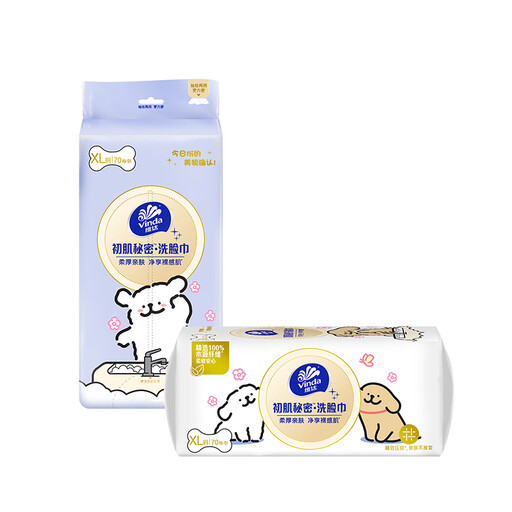
Why This Fits Their Persona: The six-pack case provides a substantial supply of XL facial towels for households starting a single-use cleansing routine.
The XL format helps avoid buying small sheets that are unsuitable for a fuller facial cleansing routine, while the stated case quantity makes stock planning easier.
XL sheets; 70 sheets per pack; six packs in one case.
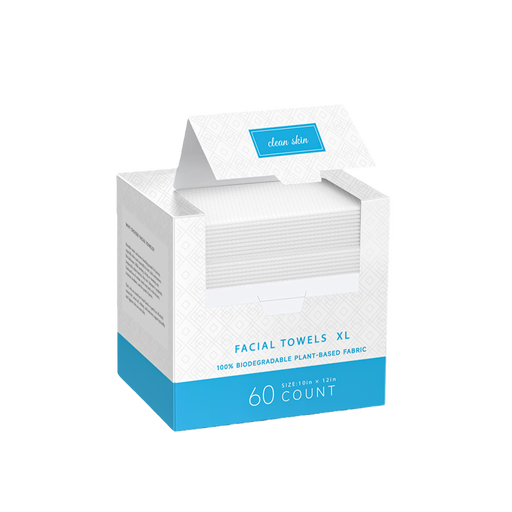
Why This Fits Their Persona: A paper-box format and 100% plant-based viscose suit shoppers prioritising a defined material specification and tidy bathroom storage.
The listing identifies the fibre, sheet count, dimensions and plastic-free box, reducing uncertainty behind vague environmental descriptions.
100% plant-based viscose; 30 × 25 cm sheets; pearl-texture design; 60 sheets.
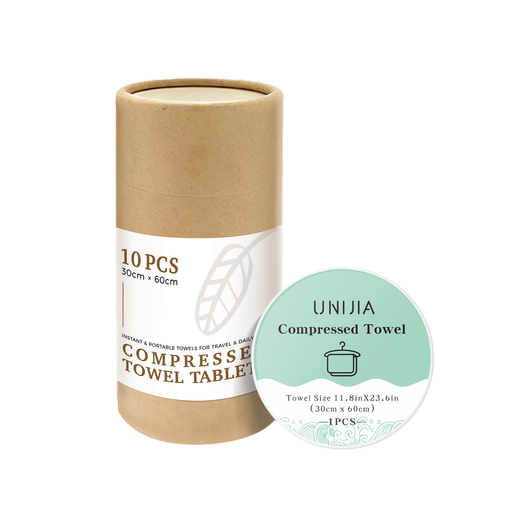
Why This Fits Their Persona: Compact compressed tablets are practical for hand luggage, gym bags, camping kits and emergency washing away from home.
The expanded size is stated as 30 × 60 cm, so the compact tablet format does not depend on misleadingly large packaging.
Ten tablets; expands with water; 30 × 60 cm expanded towel; plastic-free tube.
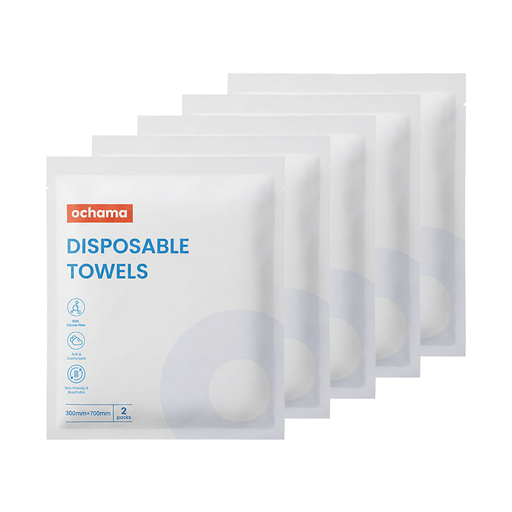
Why This Fits Their Persona: The larger format is intended for business trips, hotels, gym visits, swimming and situations requiring body coverage.
The 30 × 70 cm dimensions and stated single-use instructions make its intended bath-towel role clearer than a small facial sheet.
Ten towels; individually packaged; unscented; non-woven plant fibre; suitable for face, hands or body use.
We have compiled a complete, real-time list of products that fully satisfy these strict selection criteria and UK safety regulations.
Use facial cleansing towels with water and cleanser if desired, then discard after one use. Compressed towels need enough water to expand fully before unfolding. Keep unopened products in a cool, dry place, particularly in bathrooms, caravans and travel bags where humidity can affect storage.
Do not wash or reuse products marked single-use. Do not flush disposable towels unless the packaging specifically confirms that method, and follow local household-waste guidance. For baby care or sensitive skin, avoid using a sheet if it feels abrasive or causes irritation.
They can provide a fresh towel for each use and avoid carrying a damp reusable towel. Individually wrapped or compressed formats are particularly convenient for hotels, business trips, gym visits and outdoor activities. Store unused towels sealed and dry.
Unopened towels generally remain usable while their packaging is intact and they are stored in suitable dry conditions. Check the product packaging for any manufacturer-specific storage or shelf-life information. Once wet, a single-use towel should be discarded after use rather than stored for later.
Not necessarily. Biodegradable towels are not automatically flushable. Follow the product’s disposal instructions, keep them out of the toilet unless flushability is explicitly stated and place used sheets in the appropriate household waste.