
24/7 全天候客户支持

免费退货

当日/次日达

品质保障

开启新人专享福利: 全场免邮 | 低至 2 折 | 免费试用 30 天 JoyPlus 会员
下载 Joybuy
As a Joybuy Product Recommendation Officer, I often see the excitement that comes with starting a new creative project. DIY craft kits offer a fantastic way to unwind, learn a new skill or create a heartfelt gift. However, the market is filled with options, and it's easy to choose a kit that leads to frustration rather than satisfaction. A promising box can sometimes hide missing parts, confusing instructions or materials that simply aren't up to the task.
This guide is designed to help you navigate the common traps and select a kit that delivers a truly rewarding experience, whether it's a rainy-day activity for the children or a complex project for yourself.
Before you add a kit to your basket, be aware of these frequent issues that can turn a fun project into a disappointment.
To ensure you're getting a quality product, focus on these key parameters. They are far more important than flashy packaging or marketing buzzwords.
The substance of a kit determines the final result. For wooden craft kits, look for mentions of FSC-certified wood, which indicates it comes from responsibly managed forests. For any kit, especially creative toys for children, check that paints and glues are non-toxic. For more intricate 3D puzzles for adults, precision laser-cut pieces are a sign of quality, ensuring parts snap together cleanly without force. Always check the product warnings for small parts, especially for households with young children.
A great DIY experience hinges on a great set of instructions. Look for kits that offer clear, step-by-step manuals with detailed diagrams. Many modern build your own kits now feature slot-together construction, which eliminates the need for glue and specialised tools, making them ideal for beginners and as DIY gifts. In contrast, traditional model building kits may require more patience and additional tools, so be sure to check what assembly method is used.
Pay close attention to the manufacturer's recommended age. This isn't just a safety guideline; it's also a strong indicator of the project's complexity. A kit for a 5-year-old will have larger, simpler parts compared to a detailed hobby kit for someone aged 14 and up. Checking this simple detail helps ensure the challenge is enjoyable, not overwhelming.
Based on these practical criteria, here are a few recommendations matched to different types of creators.
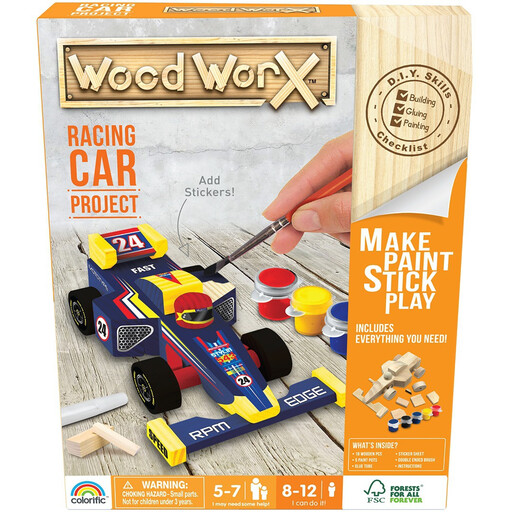
Why This Fits Their Persona: This kit is ideal for a child's first foray into building. It provides a structured yet creative activity that results in a tangible toy they can play with, offering a clear sense of accomplishment.
It's a true all-in-one set, including wooden pieces, paint, glue and stickers. This avoids the "almost complete" kit trap, ensuring no extra purchases are needed to finish the project.
Made from FSC-certified wood, it's an eco-conscious choice. The simple construction is perfect for developing fine motor skills without causing frustration.
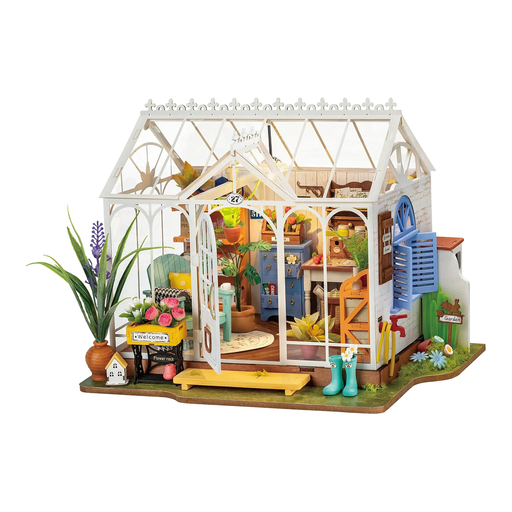
Why This Fits Their Persona: For adults and teens who enjoy immersive, long-form projects, this miniature house offers hours of engaging assembly. It's a perfect way to de-stress and create a beautiful piece of home decor.
This kit directly counters the "misleading difficulty" trap by clearly stating its complexity and estimated 6-hour assembly time. The slot-together structure and comprehensive manual prevent confusion.
The high-quality, precision-cut wooden parts ensure a satisfying build. The inclusion of an LED light adds a functional and charming element to the finished model.
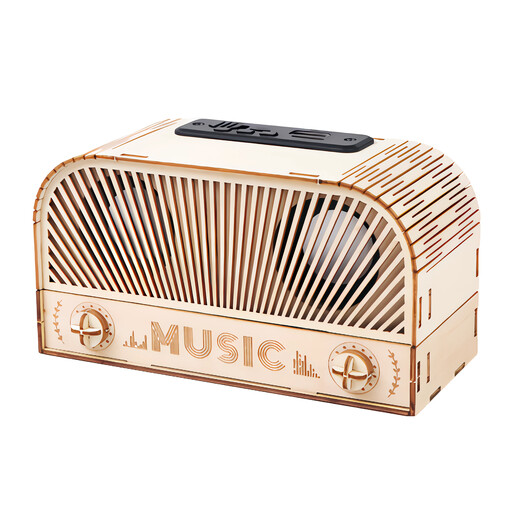
Why This Fits Their Persona: This is for the person who loves both hands-on projects and technology. It merges the satisfaction of a 3D puzzle with the reward of a functional gadget, making it a unique and practical DIY gift.
By its nature, a functional electronic kit must have clear instructions to work. This addresses the "vague instructions" pitfall, as the steps are designed to lead to a successful electronic assembly.
The end product is not just for display; it's a working Bluetooth speaker. This provides a lasting sense of achievement and a useful item for everyday life.
We have compiled a complete, real-time list of products that fully satisfy these strict selection criteria and UK safety regulations.
The time required varies significantly based on the kit's complexity. Simple craft kits for kids can often be completed in under an hour. More advanced model building kits or intricate 3D puzzles for adults can require anywhere from 6 to 20 hours, often spread across multiple sessions. Always check the product details for the manufacturer's estimated assembly time to find a project that fits your schedule.
Reputable manufacturers ensure that kits designed for children use non-toxic paints and child-safe materials. When selecting wooden craft kits for younger users, look for age-appropriate designs and safety information on the packaging. It is always recommended that an adult supervises the activity, as many kits contain small parts that could be a choking hazard for children under 3 years.
It depends on the kit's design. Many modern hobby kits, particularly those made of wood, feature a slot-together construction that requires no extra tools or glue. However, more traditional kits may require items like craft glue, a hobby knife or sandpaper. A well-written product description should always clarify what is included in the box and what, if anything, you need to provide yourself.