
24/7 Customer Support

Free returns

Same-day & Next-day Delivery

Quality Guaranteed

Unlock Your Welcome Offers: FREE Delivery | Up to 80% OFF | Free 30-day JoyPlus trial
Download the APP
Buying DIY hand tools can look straightforward until a low-cost purchase starts slipping, rusting or failing halfway through a job. UK homes and workshops create varied demands: drilling sheet metal, cutting trim, scoring tiles, loosening wheel bolts and handling general maintenance all require different tool designs.
Marketing descriptions often focus on material names and large claims, but the details that affect everyday use are usually more practical. Before choosing home improvement tools or professional trade tools, check the tool’s intended material, working range, grip, storage and safety limitations.
A metal-looking tool is not automatically suitable for every material. A step drill bit set designed for thin sheet metal and plastic may be unsuitable for masonry, hardwood or thick steel. Similarly, mitre shears intended for soft wood, PVC and rubber should not be used on hard metal.
Always match the tool to the manufacturer’s stated material capacity. Using the wrong tool can lead to blunt blades, chipped edges, damaged workpieces or premature breakage.
A large tool set may contain sizes you rarely use, while omitting the specific tool needed for your current project. For occasional DIY, a focused selection can take up less storage space and reduce unnecessary spending.
For example, a three-piece pry bar set may be more practical than a large assortment if your work involves removing skirting boards, lifting panels or separating components. For automotive jobs, the drive size and handle length of a breaker bar are more important than the number of accessories included.
Sharp tools and high-torque tools require controlled handling. A tile scorer without a comfortable grip may produce inconsistent score lines, while a breaker bar used with an unsuitable socket can damage fasteners or create a slipping hazard.
Look for useful features such as:
The first specification to confirm is what the tool is designed to cut, drill, loosen or move. The Silverline Titanium-Coated HSS Step Drill Set, for instance, is specified for sheet metals, alloys and plastics up to 4mm thick. Its titanium-coated high-speed steel construction and 6.35mm (1/4-inch) hex shank make it suitable for compatible drills and impact drivers, but it is not intended for masonry, hardwood or thick metals.
For trim work, check both the material and maximum diameter. One of the featured mitre shears is specified for materials including PVC, rubber seals, mouldings and soft wood, with a cutting capacity of up to 6.8cm.
For garage tools, a longer handle can provide more leverage, but it may be less convenient in confined spaces. The DURATECH breaker bar has a 1/2-inch drive, a 60cm handle and a head that rotates through up to 240 degrees. The stated torque is up to approximately 780Nm, subject to correct use and compatible sockets.
Pry bars follow a similar principle. Shorter bars are easier to position in restricted areas, while longer bars can provide greater leverage. A set containing 8-inch, 12-inch and 18-inch bars gives more choice than relying on one fixed length.
For tiling, a tile scorer creates a controlled line before the tile is broken. A tungsten carbide tip is a useful specification to check, as is handle design. A thumb recess can help users maintain a steady position while scoring wall or floor tiles.
Tile nippers are used for smaller, controlled adjustments rather than replacing a tile cutter for every cut. Tungsten carbide-tipped jaws, sprung handles and a compact 210mm size can be useful when shaping edges or working around corners.
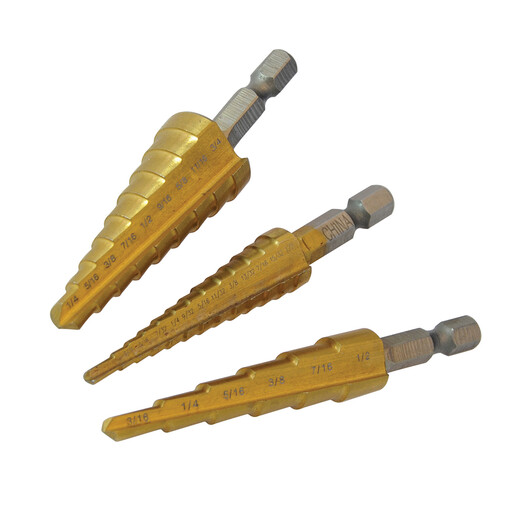
Why This Fits Their Persona: A compact choice for UK homeowners handling occasional sheet-metal, alloy or plastic projects without buying several individual drill bits.
The three size ranges and clearly marked 2mm graduations make sizing more transparent. Its stated 4mm material limit also helps prevent unsuitable use.
Titanium-coated HSS construction, self-starting design and a 1/4-inch hex shank.
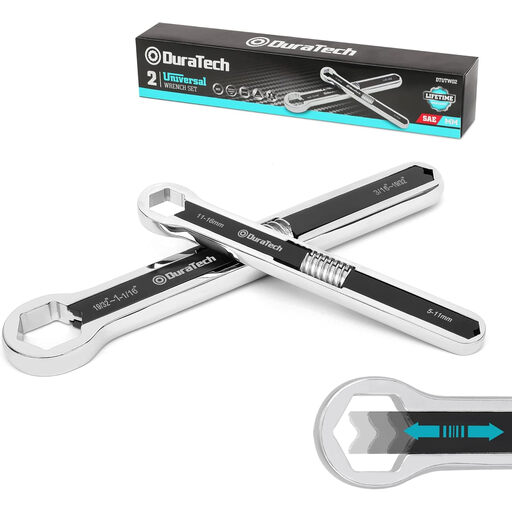
Why This Fits Their Persona: Suitable for workshop users, vehicle maintenance and home repairs where metric and SAE fasteners may both appear.
The stated size coverage is clear, spanning 5mm to 27mm and 3/16-inch to 1-1/16-inch, rather than relying on vague “universal” wording alone.
Drop-forged carbon steel, heat treatment and corrosion-resistant chrome plating.
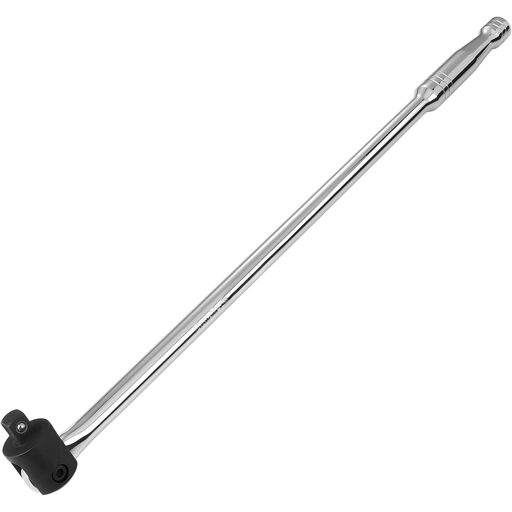
Why This Fits Their Persona: A garage-focused option for loosening stubborn nuts and wheel bolts where extra reach and access around the vehicle are important.
The 1/2-inch drive and 60cm handle specify compatibility and reach. The swivel head is designed for access from different angles, rather than depending on force alone.
240° rotatable head, spring-loaded socket retention and stated torque of up to approximately 780Nm.
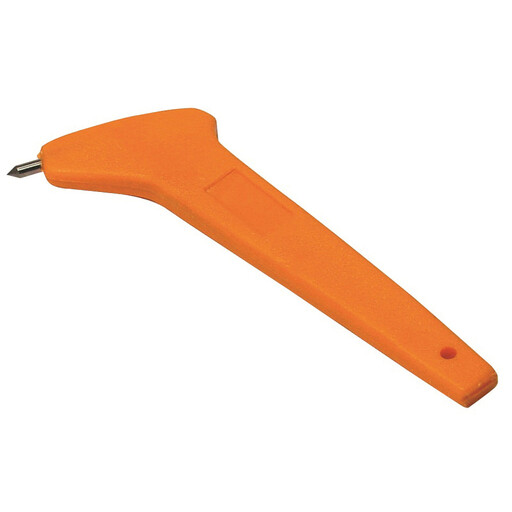
Why This Fits Their Persona: A focused choice for bathroom, kitchen and flooring work involving scored breaks in wall or floor tiles.
It has a defined tungsten carbide tip and a thumb recess, giving buyers specific features to assess instead of relying on general precision claims.
Tungsten carbide tip, durable nylon handle and grip recess for controlled scoring.
For trim installation, the FLORA GUARD DIY-1 Mitre Shears provide an engraved angle scale from 45° to 135°, an aluminium alloy handle, SK5 steel blades and two spare blades. The GARTOL Mitre Shears offer the same angle range, a rotating safety lock and a stated maximum cutting diameter of 6.8cm.
For removal and lifting tasks, the DURATECH 3-Piece Pry Bar Set includes 8-inch, 12-inch and 18-inch bars, angled tips, hammer strike caps and protective end caps. For detailed tile shaping, Silverline Tile Nippers have tungsten carbide-tipped jaws, sprung handles and a 210mm compact format.
Wear suitable eye protection and gloves when drilling, scoring, nipping or prying. Keep blades and metal components clean and dry, and follow each product’s stated limitations.
We have compiled a complete, real-time list of products that fully satisfy these strict selection criteria and UK safety regulations.
Start with tools that match your immediate projects rather than buying a large collection. A suitable drill-bit set, combination spanner set, pry bar and cutting tool can cover many household maintenance tasks. Add tile tools, automotive tools or trade-specific equipment when your work requires them.
Lifespan depends on material, frequency of use, load and storage. Keep tools dry, avoid exceeding their stated capacity and replace blades or damaged components when required. High-force tools such as breaker bars should always be paired with compatible sockets and used in a controlled manner.
Not always. Occasional users should prioritise compatibility, handling and clear specifications. Professional trade tools may be appropriate for frequent workloads, repetitive tasks or demanding environments, but a focused tool chosen for the correct application can be more practical for many home projects.