
24/7 Customer Support

Free returns

Same-day & Next-day Delivery

Quality Guaranteed

Unlock Your Welcome Offers: FREE Delivery | Up to 80% OFF | Free 30-day JoyPlus trial
Download the APP
Tackling a DIY home improvement project can be incredibly rewarding. Whether you're a new homeowner wanting to put your stamp on a place, a renter looking for a temporary refresh or simply fixing a bit of wear and tear, the right products can make all the difference. However, the market is flooded with items that promise professional results with minimal effort, and it's easy to fall into common traps that waste both time and money.
As a Joybuy Product Recommendation Officer, my role is to help you navigate the options and find practical solutions. Let's look at the frequent pitfalls in DIY and how to choose products that deliver on their promises.
Before you add anything to your basket, be aware of these common issues that can turn a simple weekend project into a frustrating ordeal:
To avoid these traps, focus on a few key details. Getting these right is the foundation of any successful easy home renovation.
The single most important factor for any adhesive product is the surface it's being applied to. For items like peel and stick floor tiles or a self-adhesive backsplash, the instructions will almost always specify a clean, smooth and dry surface.
Not all glues are created equal. Understanding the basic types will help you match the product to the task.
The best home repair products for DIY beginners are those that require minimal extra equipment. Look for items that are "ready to use," come in an "easy-to-use syringe" or are packaged in a tube for direct application, like a multipurpose filler. This avoids the hidden costs and complexity of products that need caulking guns, mixing trays or other specialised tools.
Here are a few products that align with these principles, matched to different types of DIY-ers.
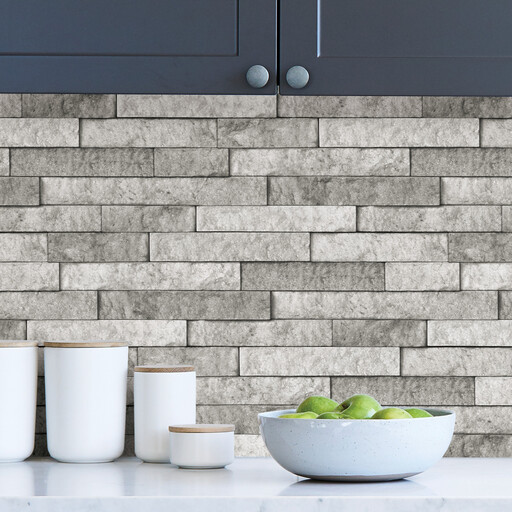
Why This Fits Their Persona: This is ideal for tenants who want to personalise a kitchen or bathroom without making permanent changes. It provides a high-impact visual upgrade that can be removed before moving out.
It directly addresses the "Easy-Peel Nightmare" by being specifically described as "safe for walls and leaves no sticky residue behind." This gives renters confidence that they won't damage the property.
No grout or special tools are needed, avoiding hidden costs. The roll format allows for custom cutting to fit any space, minimising waste and simplifying installation.
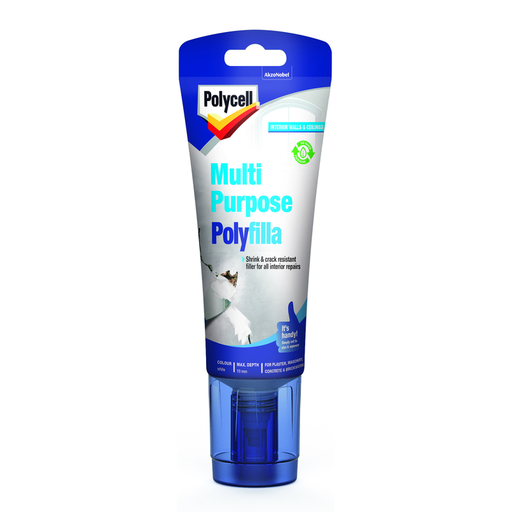
Why This Fits Their Persona: Perfect for new homeowners on a budget who need to tackle the inevitable scuffs, cracks and picture-hook holes left by previous occupants before they can decorate.
This avoids the "one-size-fits-all" fallacy by being specific. It's an interior filler for plaster, masonry and brickwork. It doesn't claim to fix everything, so you know exactly what it's for. The ready-mixed formula also avoids the hidden effort of mixing powders.
The tube format allows for precise application with minimal mess and waste. It's formulated to be shrink and crack-resistant, ensuring a smooth, durable finish that's ready for painting.
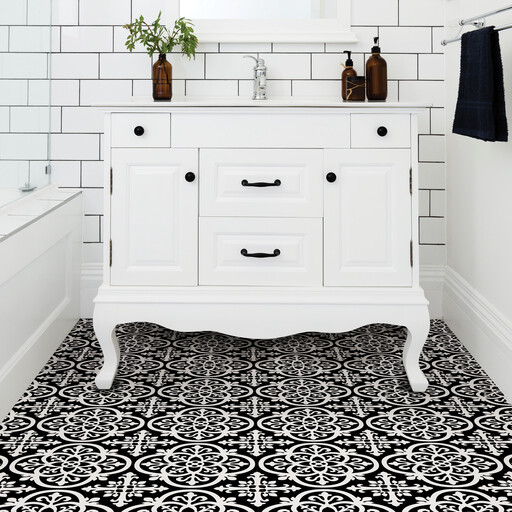
Why This Fits Their Persona: For the DIY enthusiast ready for a more permanent upgrade. This is perfect for transforming a tired kitchen, bathroom or hallway floor over a weekend with a bold, durable finish.
It sets clear expectations by specifying a permanent adhesive and construction from virgin vinyl. This isn't a temporary fix; it's a durable flooring solution. It also confirms "no grout or special tools required," avoiding the hidden expense trap.
The tiles are water-resistant and washable, making them genuinely practical for high-traffic and potentially wet areas. The peel-and-stick method dramatically simplifies what would traditionally be a complex tiling job.
We have compiled a complete, real-time list of products that fully satisfy these strict selection criteria and UK safety regulations.
1. How long do peel and stick floor tiles last in the UK? The lifespan of peel and stick floor tiles depends heavily on the quality of the product, the preparation of the subfloor and the amount of foot traffic. For high-quality vinyl tiles with a permanent adhesive applied to a clean, smooth surface, you can expect them to last for several years, even in a typical UK home with fluctuating humidity. Cheaper, thinner tiles in a high-traffic area like a hallway may show wear more quickly.
2. Can I use a standard multipurpose filler for bathroom cracks? It's generally not recommended. While a multipurpose filler is excellent for cracks in living room or bedroom walls, bathrooms require a product with enhanced moisture and mould resistance. For gaps around sinks, baths and showers, you should use a dedicated kitchen and bathroom sealant that is waterproof and contains a fungicide to prevent black mould growth. For cracks in the plasterboard itself, a moisture-resistant filler would be a more suitable choice.
3. What's the easiest way to update a kitchen backsplash on a budget? A self-adhesive backsplash is one of the most straightforward and cost-effective methods. Available in rolls or tile formats, these products can be applied directly over existing tiles (as long as they are clean and smooth) or a painted wall. They require no grout, no special tools beyond a measuring tape and a craft knife and can be installed in an afternoon, providing an instant visual refresh without the mess and expense of traditional tiling.