
24/7 Customer Support

Free returns

Same-day & Next-day Delivery

Quality Guaranteed

Unlock Your Welcome Offers: FREE Delivery | Up to 80% OFF | Free 30-day JoyPlus trial
Download the APP
Discovering unwanted pests in your home or garden can be unsettling. Whether it is a trail of ants in the kitchen, moths in the wardrobe or something more disruptive, the immediate goal is to find a solution that works. However, the market for DIY pest control is crowded with products making bold claims, and it is easy to choose one that is ineffective for your specific problem, leading to frustration and wasted money.
As a Joybuy Product Recommendation Officer, my role is to help you navigate these choices. This guide will highlight common purchasing mistakes and break down the essential factors to consider, ensuring you select the right tool for the job.
Before you buy, be aware of these frequent traps that can prevent you from solving your pest problem effectively.
insect killer spray is often not potent or targeted enough for specific infestations. A product designed for flying insects will likely fail against a stubborn bed bug treatment UK scenario, which requires a formula that can penetrate crevices and eliminate eggs.ant killer powder that can be puffed into the void. Choosing the wrong format—be it a spray, foam, powder or trap—is a common reason for treatment failure.To make an informed decision, focus on these three key parameters. They will help you match the product to your specific pest situation.
Understanding a product's mode of action is crucial.
fungus gnat killer for houseplants or for households wanting to avoid chemicals, physical barriers (like pumice granules) or humane mouse traps are excellent alternatives.The physical form of the product dictates where and how it can be used effectively.
ant killer powder creates a barrier that crawling insects will not cross.wasp nest destroyer foam expands to fill the cavity, ensuring the treatment reaches the entire colony from a safe distance.flea killer for house bomb releases a fine mist that permeates an entire room, reaching carpets, under furniture and other hiding spots.Always prioritise a product formulated for your specific problem. A clothes moth killer is designed to be used in wardrobes and drawers and may contain different ingredients than a product for bed bugs. Identifying your pest is the first and most important step in any effective DIY pest control plan.
Based on these practical considerations, here are a few products suited for distinct UK household scenarios.

Why This Fits Their Persona: Perfect for the indoor gardener dealing with annoying fungus gnats. This user wants a solution that protects their plants without resorting to harsh chemical sprays around their living space.
It avoids the "one-size-fits-all" trap by being a highly specific fungus gnat killer. It is a physical barrier, not a chemical, making it a safer choice for indoor use.
Made from 100% natural pumice granules, it is non-toxic and safe to use around pets and children. It also helps retain soil moisture.
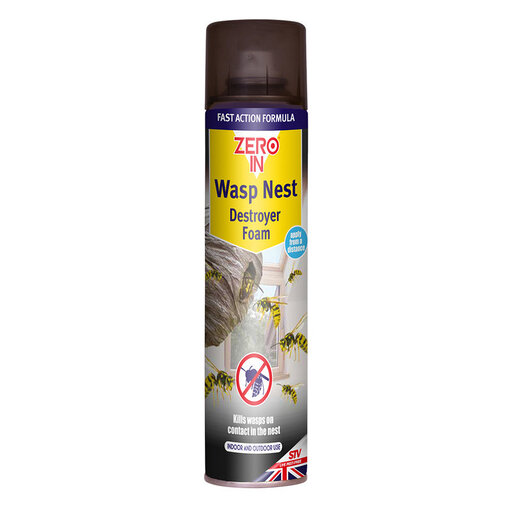
Why This Fits Their Persona: For the homeowner or gardener who has discovered a wasp nest in the loft, shed or garden and needs a specialised tool to deal with it safely and decisively.
This is the opposite of a generic spray. The wasp nest destroyer foam is the correct application method, designed to be applied from a distance and expand to fill the nest entrance.
Allows treatment from up to 2 metres away for safety. The foaming action ensures the insecticide makes contact with wasps inside the nest.
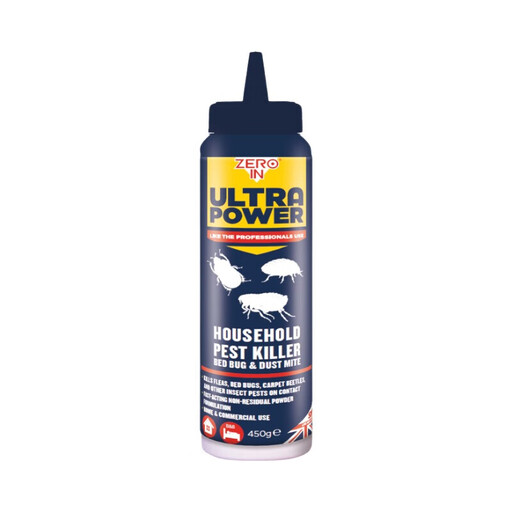
Why This Fits Their Persona: This user has a persistent issue with crawling insects like ants, cockroaches or even bed bugs, and needs a targeted solution for cracks, crevices and along skirting boards where pests hide.
It directly solves the "wrong application method" problem. The puffer-nozzle allows for precise, calibrated treatment of hard-to-reach areas where sprays cannot penetrate effectively.
This fast-acting ant killer powder also targets a range of other crawling insects, including bed bugs and fleas. It targets pests at multiple life stages for more complete control.
We have compiled a complete, real-time list of products that fully satisfy these strict selection criteria and UK safety regulations.
Always read the label for specific safety warnings and instructions before use. Look for products that are designated as safe for use in certain areas once dry or consider non-toxic alternatives like humane mouse traps or physical barriers. It is standard practice to ensure treated areas are well-ventilated and to keep children and pets away from them for the period specified on the packaging.
This depends entirely on the product's formulation. Some are "contact killers" designed for immediate effect, while others offer "residual protection" that can last for several weeks or even months. For example, some ant killer powder products can create a barrier that remains effective for up to 12 weeks. Always check the product description for details on its residual action to understand how long the protection will last.
While some general-purpose sprays are available, they are often less effective for specific or severe infestations. A wasp nest destroyer foam is formulated very differently from a bed bug treatment UK spray, which needs to be suitable for use on or around furnishings. For the most reliable results, it is always advisable to identify the pest accurately and choose a product specifically designed to target it.