
24/7 Customer Support

Free returns

Same-day & Next-day Delivery

Quality Guaranteed

Unlock Your Welcome Offers: FREE Delivery | Up to 80% OFF | Free 30-day JoyPlus trial
Download the APP
Buying DIY tools can feel straightforward until you compare drill kits, hand tools, woodworking tools and mechanic tool sets. A large accessory count or impressive power rating does not automatically mean a product suits your project. The right choice depends on compatibility, working conditions, storage and the type of material you plan to handle.
For UK homeowners, hobbyists, carpenters and mechanics, a sensible buying process can prevent common problems such as buying unsuitable bits, choosing an underpowered tool or paying for accessories that will rarely be used.
A 100-piece tool kit may sound comprehensive, but the number can include duplicate screwdriver bits, small accessories or sizes that do not match your regular work. Check the actual contents before buying. For home improvement, useful inclusions may include masonry bits, wood bits, nut drivers, hex keys and a magnetic holder.
For car repair tools, also check whether the socket sizes are metric, imperial or both. A large set with poor size coverage may be less practical than a smaller, clearly organised mechanic tool set.
A rotary tool designed for engraving and polishing is not a substitute for a high-torque drill. Similarly, a light-duty staple gun is suitable for fabric, light upholstery and craft work, but it may not be appropriate for heavy construction materials.
Before purchasing power tools, match the tool to the material:
Tools left loose in a damp shed can corrode, become difficult to find or lose small components. A case with dedicated compartments is useful for both home workshops and vehicle storage.
For corded power tools, check that the product is suitable for UK sockets and comes with the appropriate plug or instructions for safe use. Also review the product markings, supplied manual, warranty details and seller information before purchase. Always follow the manufacturer’s safety guidance, particularly when using rotating blades, drills or cutting accessories.
For cordless drills, examine the voltage, battery capacity, speed range and clutch settings. An 18V cordless hammer drill can be useful for general household tasks, including screwdriving, wood drilling and occasional masonry work. A variable speed trigger gives more control when starting a hole, while a clutch helps reduce over-tightening.
Rotary tools should be assessed by their motor power, speed range and accessory compatibility. A 170W rotary tool operating from 8,000–35,000 RPM, for example, offers a broad range for polishing, engraving, deburring, grinding and light cutting. Use the correct accessory and never exceed its stated RPM limit.
Staple guns should be checked for staple type and length. The HAUSHOF hand stapler is compatible with Type 53 staples in 6mm, 8mm and 10mm sizes, and is supplied with 800 8mm staples. This makes it more immediately useful for light upholstery, fabric work, furniture projects and home decoration than a stapler with no supplied consumables.
For hand tools, confirm drive sizes such as 1/4-inch, 3/8-inch and 1/2-inch, along with metric and imperial socket coverage. This matters when working on vehicles, flat-pack furniture, plumbing fittings or household repairs.
Look for practical construction details rather than vague durability language. Examples include a chrome-plated finish on sockets, a rubberised grip, a quick-release ratchet, a flat carpenter’s pencil design or replaceable motor brushes.
A tool should also be comfortable for the expected duration of use. Easy-squeeze handles can reduce strain during light stapling, while a flexible shaft on a rotary tool can make detailed work easier to control. Store all equipment in a dry place, clean ventilation slots and disconnect electrical tools before changing accessories.
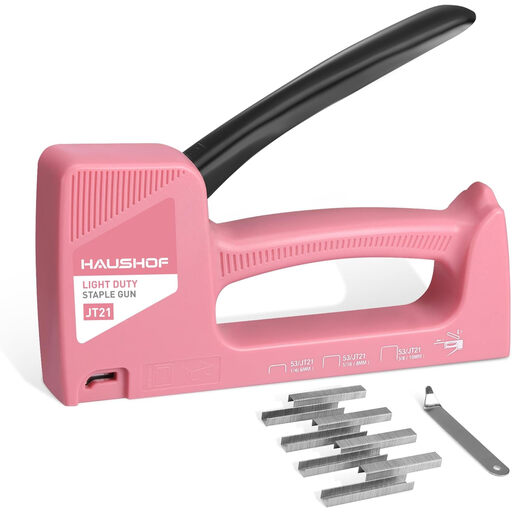
Why This Fits Their Persona: A simple starting point for UK renters, homeowners and crafters handling fabric, furniture touch-ups or light home decoration without buying a large tool kit.
The staple type and compatible lengths are specified, and the kit includes 800 8mm staples plus a staple remover.
Light-duty PC+ABS construction, easy-squeeze handle, anti-jam mechanism and Type 53 compatibility.
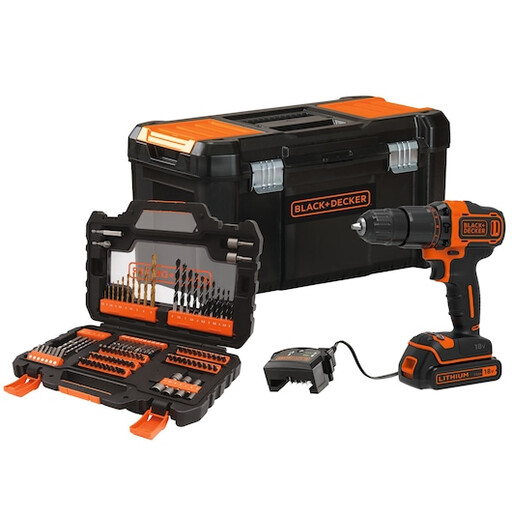
Why This Fits Their Persona: Suitable for homeowners and DIY enthusiasts wanting one cordless platform for assembling furniture, driving screws and drilling into wood, metal or masonry.
The kit lists its 104 accessories, 11-position clutch, two-speed gearbox, keyless 1–10mm chuck and masonry bits.
18V battery system, 0–360 and 0–1,400 RPM settings, hammer action and toolbox storage.
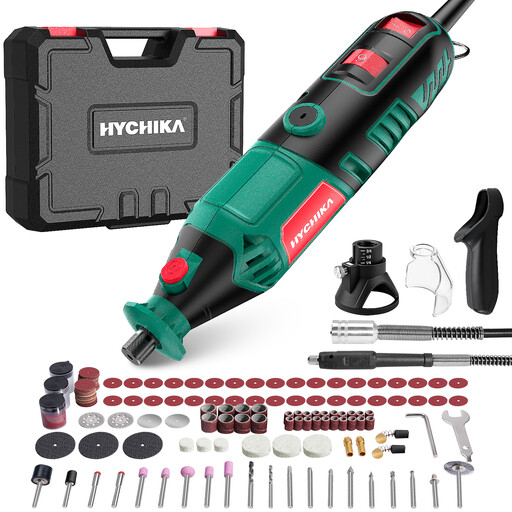
Why This Fits Their Persona: A practical option for hobbyists, makers and woodworking users who need engraving, trimming, polishing, grinding and deburring functions.
Its six-speed range and listed applications make the intended detail-work role clearer than a generic multi-tool description.
170W motor, 8,000–35,000 RPM range, one-metre flexible shaft and 173-piece accessory set.
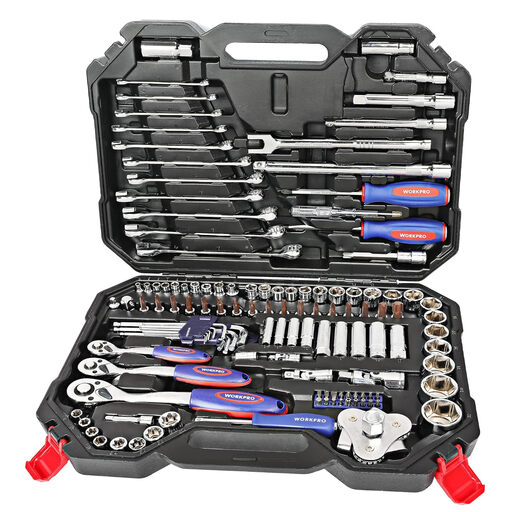
Why This Fits Their Persona: Designed for drivers, new homeowners and practical users who want sockets, spanners and bits for routine car repair tools and household maintenance.
The listing identifies drive sizes, socket and bit contents, a quick-release ratchet and a dedicated storage case.
Triple-chrome-plated finish, metric and imperial coverage, hex keys, voltage tester and blow-moulded case.
We have compiled a complete, real-time list of products that fully satisfy these strict selection criteria and UK safety regulations.
Small hand tools can have a direct effect on accuracy. Flat carpenter’s pencils are less likely to roll off a workbench and can provide broad or fine marks depending on how they are held.
The Faithful Carpenters Pencils 3 Pack is available with soft-grade lead for clear marking on wood, metal and other construction materials. For regular workshop use, the Faithful FSC Carpenters Pencils 10 Pack uses FSC-certified wood and medium-grade lead. A medium-grade option can provide a balance between general marking and finer layout work.
Choose pencil grade according to the surface and visibility required, and store pencils dry to reduce warping. For larger projects, a ten-pack can reduce interruptions, while a three-pack may suit occasional DIY work.
Start with versatile hand tools, a screwdriver and bit selection, measuring equipment, carpenter’s pencils, pliers and a suitable drill. If you regularly work on a car, consider a mechanic tool set with clearly labelled metric sockets. Add specialist tools such as a staple gun or rotary tool when a specific project requires them.
Cordless tools use rechargeable batteries, so running costs depend on battery life, charging frequency and whether replacement batteries are needed. Corded tools avoid battery replacement but require access to a suitable socket. Compare the included battery capacity, charger and compatibility with other tools in the same system.