
24/7 Customer Support

Free returns

Same-day & Next-day Delivery

Quality Guaranteed

Unlock Your Welcome Offers: FREE Delivery | Up to 80% OFF | Free 30-day JoyPlus trial
Download the APP
A well-chosen set of DIY tools can make household maintenance, vehicle servicing and home improvement projects more manageable. The difficulty is knowing which features genuinely support the job and which simply increase the price.
Common buying mistakes include:
Whether you need household pliers, automotive repair tools, plumbing tools or professional workshop tools, start with the task and work backwards to the specification.
For frequently used hand tools, look for clearly stated materials such as heat-treated alloy steel, chromium-vanadium steel or carbon steel. These descriptions indicate the construction material and treatment, but they do not guarantee suitability for every application.
A polished or chrome-plated finish can make cleaning easier and may help resist surface corrosion. Black oxide finishes are also used on some automotive tools. Regardless of finish, wipe tools after use and store them in a dry location, particularly in an unheated UK garage or shed.
Handles matter too. PP and TPR resin or shaped plastic grips can provide a more secure hold than smooth metal handles, especially when working with plumbing fittings or cutting wire. However, insulated-looking handles should not be treated as protection for live electrical work unless the product is specifically rated and labelled for that purpose.
Size is one of the most important specifications in any tool purchase.
For pliers, check:
A 305 mm pair of water pump pliers with a maximum opening of 50 mm may suit larger pipe fittings, while compact 160 mm pliers are more practical for general household repairs.
For automotive repair tools, verify the socket size, drive size and working length. A 14 mm spark plug socket with a 3/8-inch drive must match both the plug and the ratchet or extension being used. A thin-wall design may help in narrow plug wells, while a swivel joint can improve access around awkward engine layouts.
With a wheel bearing puller, the bearing diameter and vehicle fitment are non-negotiable. Do not rely on a similar-looking hub or model. Check the bearing measurement and the manufacturer’s listed vehicle applications before ordering.
A kit is useful only when its contents match the job. Check the product description for every included item, compatible consumable and adjustment mechanism.
For example, a staple gun may use Type 53 staples in selected lengths but not every staple type. A kit that includes 800 staples can be convenient for upholstery or craft work, but it remains a light-duty option rather than a substitute for a heavy-duty construction stapler.
For home improvement tools, also consider storage. A blow-moulded case can help keep automotive components organised, while a basic pliers set may fit easily in a household toolbox.
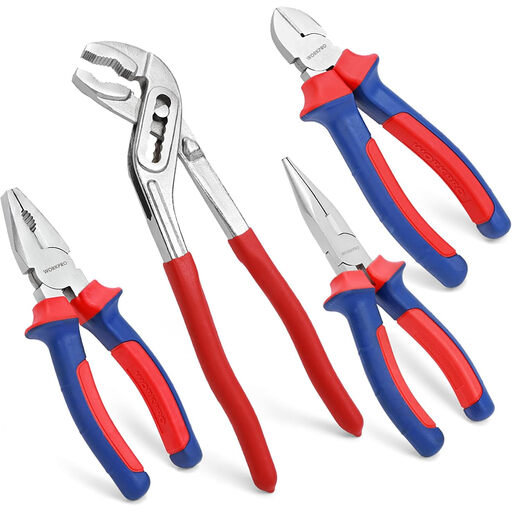
Why This Fits Their Persona: A practical starting point for homeowners building a toolbox for routine repairs, light plumbing and general DIY tasks.
The four-piece format makes the included tools clear, reducing the risk of buying one general-purpose pair and discovering that finer access or pipe gripping is missing.
Includes 160 mm combination, long nose and side cutters plus 244 mm water pump pliers; alloy steel construction and textured PP/TPR handles.
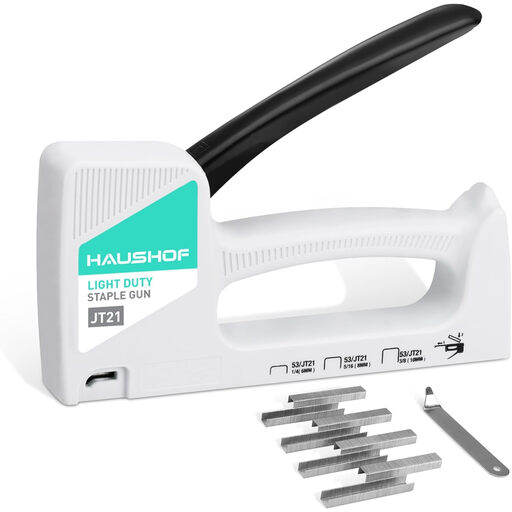
Why This Fits Their Persona: Suitable for occasional upholstery, fabric, furniture and home decoration jobs where a compact manual stapler is sufficient.
The compatible staple type and sizes are specified, helping buyers avoid assuming that every staple will fit.
Uses Type 53 staples in 6 mm, 8 mm and 10 mm sizes; includes 800 8 mm staples, a staple remover, quick-release loading and an anti-jam mechanism.
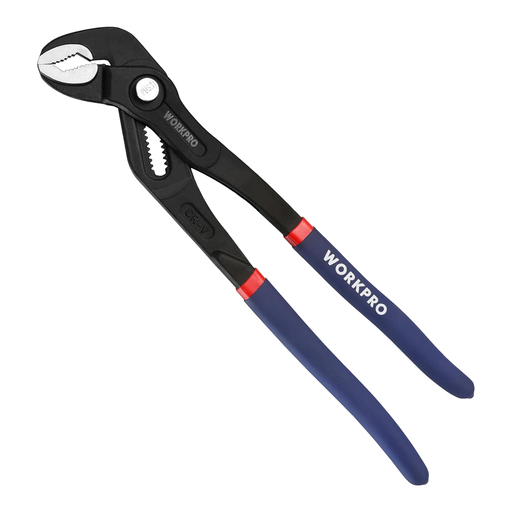
Why This Fits Their Persona: A considered option for users who regularly handle pipe fittings, nuts and mixed-shape workpieces in a home workshop or trade setting.
The stated 50 mm maximum opening provides a measurable reference, rather than leaving capacity to guesswork.
305 mm length, chromium-vanadium steel construction, push-button adjustment, toothed jaws and a listed maximum opening of 50 mm.
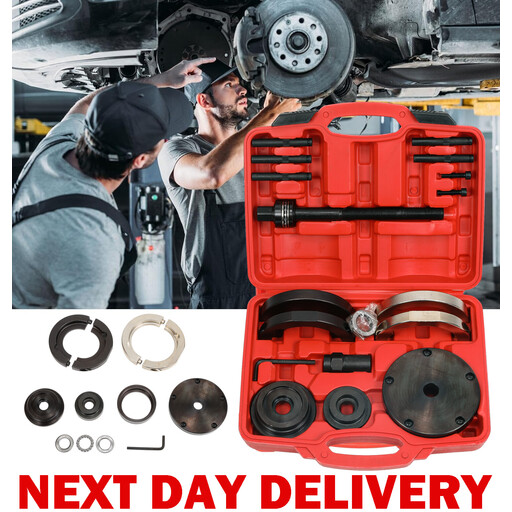
Why This Fits Their Persona: Designed for mechanics and experienced home workshop users working with specified Volkswagen Transporter and Touareg bearing applications.
Its 85 mm fitment is explicit, helping prevent the costly mistake of buying a generic puller without confirming bearing dimensions.
Carbon steel construction, black oxide finish, included pressing components and a blow-moulded storage case; intended for listed 85 mm applications.
For spark plug servicing, the WORKPRO 14 mm Magnetic Spark Plug Socket combines a 3/8-inch drive, 100 mm length, magnetic retention and a flexible swivel joint. Its thin-wall, 12-point design is intended for narrow plug wells. Confirm that your vehicle or small engine uses a 14 mm plug before ordering, and use the correct torque procedure when reinstalling components.
For cutting tools, always wear safety glasses and keep hands away from moving parts. Never use ordinary pliers on live electrical circuits, and do not apply impact tools or excessive force to a puller unless the product specifically allows it.
A combination pliers, long nose pliers, side cutters, adjustable screwdriver set and tape measure cover many household tasks. Add a staple gun for upholstery or craft work, but check staple compatibility first. Choose tools according to the repairs you actually carry out rather than purchasing a large kit with unused pieces.
Remove dirt and moisture after use, wipe metal surfaces with a suitable protective product where appropriate, and store tools away from damp conditions. Do not use damaged pliers, cracked handles or bent puller components. Follow the stated capacity and use the correct size for each fastener or fitting.
Some automotive repair tools are suitable for repeated workshop tasks, but suitability depends on fitment, material, capacity and frequency of use. Check the manufacturer’s specifications, inspect tools before each job and use calibrated torque equipment where the vehicle manufacturer requires a precise tightening value.