
24/7 Customer Support

Free returns

Same-day & Next-day Delivery

Quality Guaranteed

Unlock Your Welcome Offers: FREE Delivery | Up to 80% OFF | Free 30-day JoyPlus trial
Download the APP
Whether you are hanging shelves, repairing a property, cutting timber or preparing sheet materials, the right DIY tools can make a job safer and more manageable. The wrong purchase, however, may leave you with incompatible accessories, uncomfortable handling or equipment that does not suit the material.
This guide explains the specifications worth checking before buying DIY power tools, woodworking tools, carpentry tools or professional trade tools. It also matches practical products to different UK user profiles.
A large accessory count can look attractive, but the number alone does not confirm that the kit suits your work. Check whether it includes the right wood bits, metal bits, masonry drill bits and screwdriver heads for your typical projects.
A drill and accessory kit is more useful when the storage case keeps everything organised and the bits are clearly suited to their intended materials.
A standard drill may handle timber and some metal, but masonry requires the correct bit and a suitable hammer function. Using an ordinary drill on brick or concrete can result in slow progress, excessive wear or poor control.
Also check the clutch, gearbox, chuck range and variable-speed trigger. These features affect how accurately you can drive screws and drill different materials.
A coarse saw can remove timber quickly, but it may leave a rough edge on plywood or MDF. Conversely, a fine-tooth handsaw is designed for cleaner, more controlled cuts and may be less suitable when speed is the main priority.
To select the right timber saw, consider the material, required finish, blade length and tooth count rather than relying only on the product name.
An 18V cordless hammer drill offers a practical balance between portability and capability for many household repairs, furniture assembly and general construction tasks. Cordless operation is useful where sockets are unavailable or cables would obstruct the work area.
Look for:
For example, the Black+Decker drill featured below provides 0–360 and 0–1,400 RPM speed settings, an 11-position clutch, a 1–10mm keyless chuck and a stated impact rate of 21,000 BPM.
A 550mm handsaw gives a long cutting stroke and can be useful for framing, general timber work and larger boards. Blade length should still be proportionate to the material and the available working space.
The tooth count, measured in TPI (teeth per inch), also matters:
A PTFE-coated blade can reduce friction during cutting. It does not remove the need to mark accurately, secure the workpiece and use controlled strokes.
Check whether the battery is included, its stated capacity and whether it belongs to a wider battery platform. A 1.5Ah battery, for instance, may be convenient for lighter tasks but can require more frequent charging during extended work.
For kits, inspect the actual contents rather than relying on descriptions such as “complete” or “mega”. Storage is also important: a secure toolbox can help prevent misplaced accessories and reduce exposure to damp conditions that may encourage corrosion.
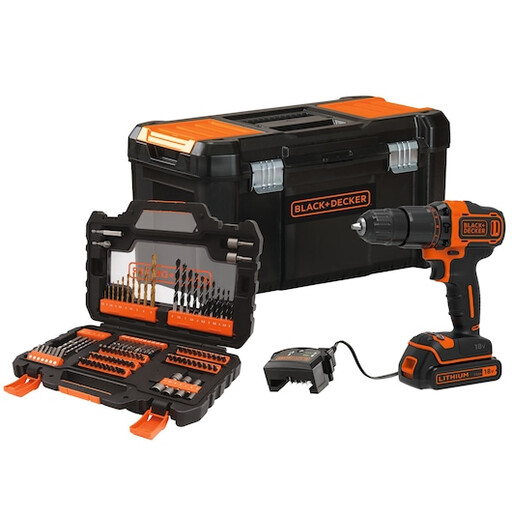
Why This Fits Their Persona: A practical starting point for new homeowners and DIY users who need one cordless drill kit for assembling furniture, hanging fittings, driving screws and occasional masonry work.
The 104-piece set identifies the main accessory groups, including 11 wood bits, 10 titanium-coated metal bits, five masonry bits and screwdriver accessories, rather than offering an unspecified quantity.
Includes an 18V drill, 1.5Ah battery, charger, 104-piece accessory set and 19-inch toolbox. The two-speed gearbox and 11-position clutch support different tasks.
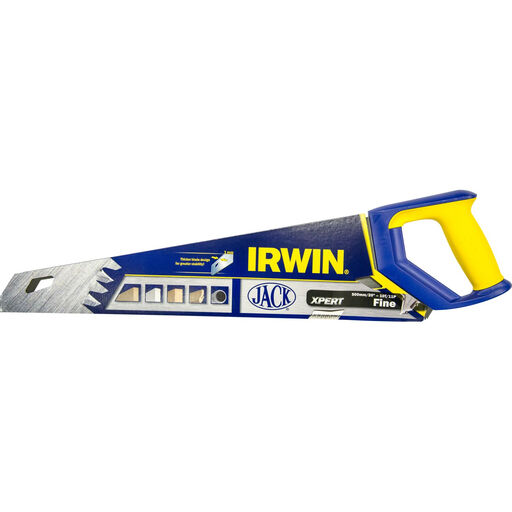
Why This Fits Their Persona: Suitable for carpenters, joiners and DIY users who prioritise a neat finish when cutting plywood, chipboard, MDF, laminates and other manufactured sheet materials.
Its 11/12 TPI fine-tooth configuration is clearly matched to detailed sheet-material work, helping buyers avoid using a coarse general-purpose blade where a smoother cut is required.
The 550mm blade offers reach and control, while the soft-grip handle is designed for comfortable handling during longer cutting sessions.
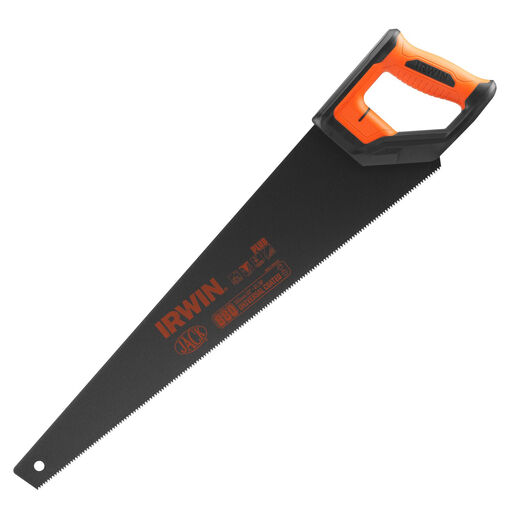
Why This Fits Their Persona: A sensible match for builders, tradespeople and frequent DIY users cutting general timber for framing, repairs and construction tasks.
The 8 TPI layout is positioned as a general-purpose option rather than a fine-cut blade, making its intended use clearer for buyers working mainly with timber.
The C75 steel blade, PTFE coating and triple-ground teeth are specified for strength, reduced friction and cutting efficiency. The handle includes 90° and 45° marking guides.
Before drilling or cutting, secure the workpiece and check for concealed pipes, cables and fixings. Wear suitable eye protection when drilling masonry or metal, as chips and fragments can be ejected.
Use the correct accessory for the material:
Always read the product instructions and follow applicable UK workplace or household safety guidance. For construction sites, additional site-specific protective equipment and procedures may apply.
We have compiled a complete, real-time list of products that fully satisfy these strict selection criteria and UK safety regulations.
For many household tasks, an 18V cordless hammer drill can handle screwdriving, timber drilling, light metal drilling and suitable masonry work. Check the battery capacity, chuck range and included bits before purchase. Heavy-duty concrete drilling may require a dedicated rotary hammer rather than a general-purpose cordless drill.
Lifespan depends on the material being cut, frequency of use, storage and technique. Cutting dirty or embedded timber can wear teeth more quickly. Clean the blade after use and store it dry. Replace a handsaw when the teeth are visibly damaged or it no longer cuts efficiently with controlled pressure.
A cordless kit may reduce the need to purchase separate bits, holders and storage, but battery charging remains an ongoing consideration. Compare the included battery, charger and accessory types with your planned tasks. If you already own compatible batteries, a body-only tool may sometimes be more economical; new users may find a complete drill and accessory kit more convenient.