
24/7 Customer Support

Free returns

Same-day & Next-day Delivery

Quality Guaranteed

Unlock Your Welcome Offers: FREE Delivery | Up to 80% OFF | Free 30-day JoyPlus trial
Download the APP
Whether you're a seasoned tradesperson or tackling your first home renovation project, the quality of your DIY tools and hardware can make the difference between a job well done and a frustrating failure. The market is flooded with options, but not all are created equal. Many UK homeowners and professionals find themselves wasting money on equipment that simply isn't fit for purpose.
As the Joybuy Product Recommendation Officer, my role is to help you navigate the clutter. Let's look at the common pitfalls to avoid, ensuring your next purchase is a sound investment.
Before you add anything to your basket, be aware of these frequent issues that catch buyers out:
To avoid these traps, focus on a few non-negotiable specifications. Understanding these will empower you to select tools and hardware that are right for the job, safe to use and built to last.
The single most important factor when hanging anything is the type of wall. Your choice of fixing must be appropriate for the material.
Don't just trust the marketing copy. Look for objective indicators of quality.
For certain tools, dimensions are everything.
To help you make a confident choice, we've matched some reliable products to common user needs.
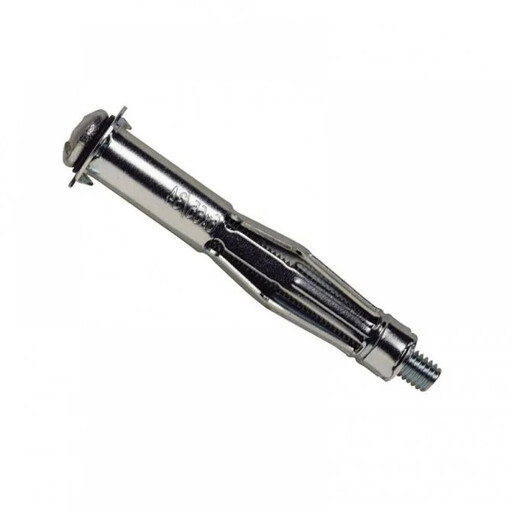
Why This Fits Their Persona: Perfect for the occasional DIYer who needs to hang a picture, a small shelf or a coat hook on a plasterboard wall. This small pack size means you only buy what you need for a single job, avoiding waste.
This is a purpose-built cavity wall fixing, not a generic plug. It creates a secure anchor behind the plasterboard, preventing the fixture from pulling out of the wall.
From a trusted brand known for reliability. The screw can be removed and re-used, which is ideal for redecorating.
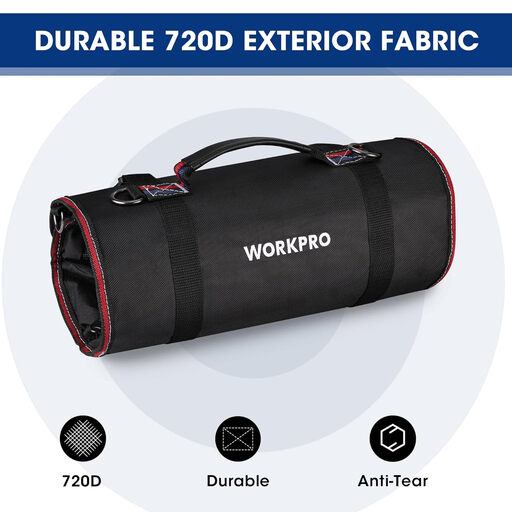
Why This Fits Their Persona: An electrician, joiner or mechanic needs their tools organised, protected and easy to transport between jobs. This roll-up design is more compact and versatile than a bulky toolbox.
It sidesteps the "flimsy heavy-duty" trap by using genuine 720D polyester, which is resistant to tears and punctures from sharp tools like screwdrivers.
Features six zippered pouches and two detachable pouches, which are more secure for small parts like screws and drill bits than simple open slots.
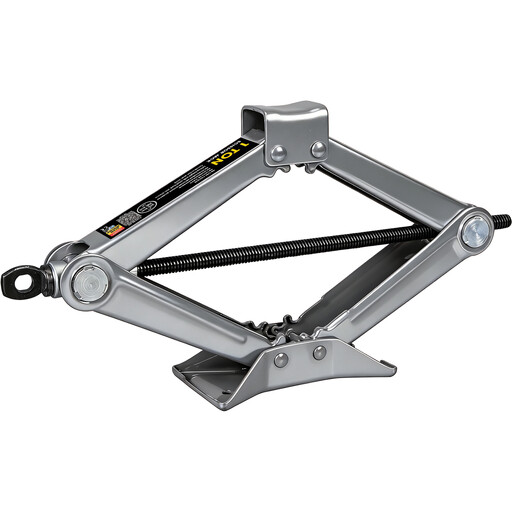
Why This Fits Their Persona: Ideal for owners of modern saloons, sports cars or lowered vehicles who need a reliable jack for an emergency tyre change or home maintenance. Its compact, foldable design is perfect for storing in the boot.
It directly solves the "wrong dimension" problem with its ultra-low 88mm starting height, ensuring it can slide under low-clearance vehicles where standard jacks cannot.
Constructed from high-strength forged alloy steel with a widened base for stability, providing a much safer lifting experience than basic, unrated jacks.
While both are for hollow walls, cavity wall fixings (like the metal interset type) are generally stronger and designed for heavier loads. They have metal 'wings' that expand behind the board for a very secure grip. Standard plasterboard fixings are often plastic and are suitable for lighter items like picture frames. For anything of value or weight, a cavity fixing is the more reliable choice.
Check your vehicle's owner's manual for its gross vehicle weight (GVW). A jack only lifts a portion of the car (usually one corner or one end), not the entire weight. As a general rule of thumb, a jack rated for at least half of your vehicle's total weight provides a safe margin. For a typical family car weighing around 1,500kg, a 1-ton (1,000kg) jack is usually sufficient.
Generally, it is not recommended to reuse frame fixings. The nylon or plastic plug is designed to deform and expand once to create a secure grip in the drill hole. Removing and re-inserting it can compromise its structural integrity, leading to a weaker hold. For safety and reliability, it is always better to use new fixings for each installation.