
24/7 Customer Support

Free returns

Same-day & Next-day Delivery

Quality Guaranteed

Unlock Your Welcome Offers: FREE Delivery | Up to 80% OFF | Free 30-day JoyPlus trial
Download the APP
Buying one of the many DJI drones available in 2026 can be confusing. A compact DJI Mini drone may suit a weekend traveller, while a larger DJI Air 3S or DJI Mavic 4 Pro is designed for demanding photography and longer flights. FPV options such as the DJI Neo 2 Motion Fly More Combo and DJI Avata 360 offer a different style of flying altogether.
The main risk is paying for features that do not match how you will actually fly. Before choosing a DJI drone with camera, watch for these common purchasing traps.
A quoted maximum flight time is measured in controlled conditions. Wind, cold temperatures, flying speed and battery age can reduce practical airtime. UK weather can be particularly relevant: a drone that performs well in calm conditions may need more battery power in wind.
If you plan to travel, hike or film several locations in one outing, compare battery arrangements rather than looking only at the single-battery figure. A Fly More Combo drone may include additional batteries and a charging hub, reducing interruptions between flights.
“4K” describes video resolution, not the entire imaging system. Sensor size, stabilisation, frame rate, dynamic range and lens options affect the footage you can capture. A compact drone with a 1/1.3-inch sensor can be convenient, but a 1-inch CMOS or larger camera may offer more flexibility in low light and high-contrast scenes.
Also check whether the package includes a remote controller. A controller-free drone may be suitable for casual clips, but a drone with remote controller generally gives you more precise framing and flight control.
Obstacle avoidance and sensing systems can provide warnings or assist with navigation, but they do not detect every wire, branch, reflective surface or low-contrast object. They may also be affected by darkness, fog or poor visibility.
Treat drone with obstacle avoidance as a support feature, not permission to fly close to people, buildings or trees. You must still maintain visual line of sight and choose an open, legal flying location.
A lightweight drone under 249g can be easier to carry and may fall into a simpler Flyer ID category, depending on its class and operating conditions. However, weight does not automatically remove all UK obligations. Many camera drones require the owner to obtain a CAA Operator ID, even when the aircraft weighs less than 250g. A Flyer ID may also be required depending on the drone’s weight and class.
Check the current requirements on the UK Civil Aviation Authority website before your first flight. Registration, age requirements, separation distances, restricted airspace and privacy rules still matter. A C0 marking, where applicable, is useful information but is not a substitute for checking the rules.
For travel, family videos and social content, look for:
A 360-degree camera drone, such as the DJI Avata 360, is a specialised choice. It records a wider view that can be reframed later, but the workflow may involve more storage and editing.
A screen-equipped controller can be convenient because it avoids relying on a compatible smartphone. A phone-connected controller may cost less and be easier to replace, but you should check device compatibility and app availability before ordering.
For regular outdoor use, compare the complete package: battery count, charging hub, spare propellers, filters, controller and carrying case. A heavier professional drone may provide more camera capability but will take up more room in a rucksack and may be more affected by UK operating restrictions.
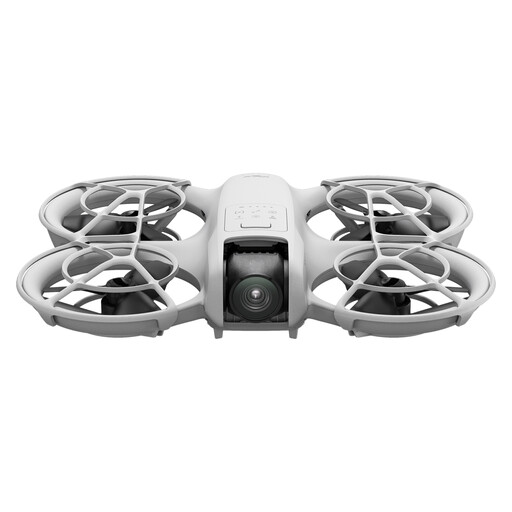
Why This Fits Their Persona: At 135g, this compact option suits first-time users, families and people who want a pocket-sized drone for parks, walks and holidays.
The product supports palm take-off, app control and optional remote-controller use, so you can start simply without committing immediately to a more complex setup.
135g weight, 4K UHD video, subject tracking, QuickShots and full-coverage propeller guards.
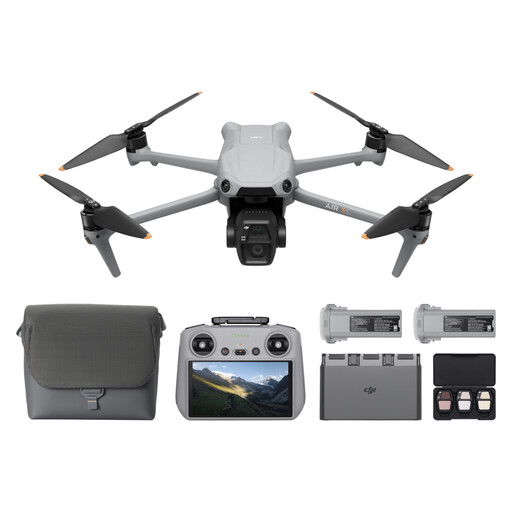
Why This Fits Their Persona: This is suited to photographers and travel creators seeking dual cameras, extended flights and a screen-equipped controller for planned shoots.
The Fly More package includes three batteries, a charging hub and an ND filter set, making the total kit easier to assess than a drone-only bundle.
1-inch CMOS wide-angle camera, medium tele camera, 4K/60fps HDR video and stated maximum flight time of 45 minutes.
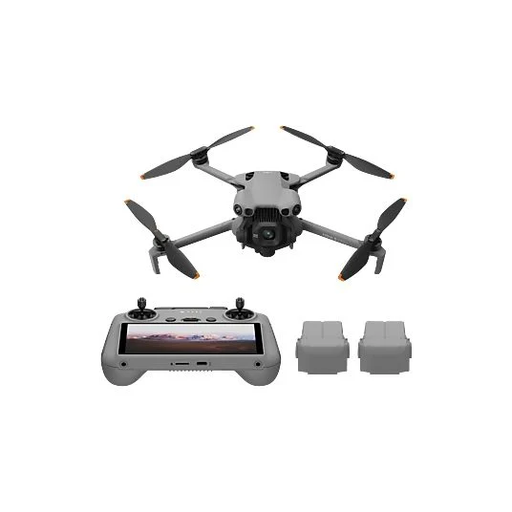
Why This Fits Their Persona: A practical option for UK travellers and vloggers who want compact equipment without moving to the larger Air or Mavic format.
Its listed 225g weight and C0 certification address portability, while the included RC 2 helps avoid relying on a phone during filming.
1-inch CMOS sensor, 4K/60fps HDR video, true vertical shooting, 225° gimbal rotation and omnidirectional sensing.
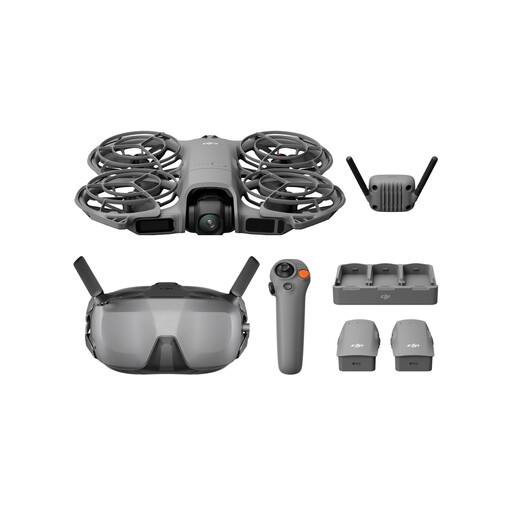
Why This Fits Their Persona: Suitable for hobby pilots who want motion control and goggles, as well as beginners interested in an accessible route into FPV-style flying.
The kit includes RC Motion 3, Goggles N3 and three batteries, so the immersive control system is supplied rather than requiring separate purchases.
151g listed weight, 4K video, ActiveTrack, gesture control, omnidirectional sensing and full-coverage propeller guards.
We have compiled a complete, real-time list of products that fully satisfy these strict selection criteria and UK safety regulations.
Before flying, charge batteries in a dry, well-ventilated area and allow them to cool after use. Inspect propellers, motors and guards regularly. You may also need to budget for spare propellers, a compatible memory card, ND filters, a carrying case and replacement batteries.
The DJI Fly app may not be available through Google Play for some models listed here. Check the product information and download instructions from DJI’s official website when required. Keep firmware current, but update before travelling rather than immediately before an important shoot.
Fly in open areas, maintain visual line of sight, avoid crowds and restricted airspace, and check local conditions through the CAA’s current guidance and airspace tools.
The UK uses Flyer ID and Operator ID requirements rather than one universal drone licence. A camera drone commonly requires an Operator ID, even when it is under 250g. Whether you need a Flyer ID depends on the aircraft’s weight, class and how it is flown. Check the CAA rules before take-off.
Battery lifespan depends on storage, charging habits, temperature and use. Avoid charging a hot battery, store it according to DJI’s guidance and do not use a battery that is swollen or damaged. Extra batteries in a Fly More Combo can extend a day’s filming, but they do not remove the need for safe charging and inspection.
Compact models with palm take-off, propeller guards, automated tracking and simple control modes can reduce the learning curve. A beginner should still practise in a clear area, keep the drone within sight and understand return-to-home settings before attempting longer or more complex flights.