
24/7 Customer Support

Free returns

Same-day & Next-day Delivery

Quality Guaranteed

Unlock Your Welcome Offers: FREE Delivery | Up to 80% OFF | Free 30-day JoyPlus trial
Download the APP
Choosing between DJI drones and cameras can feel straightforward until you compare sensor sizes, flight rules, battery bundles and app compatibility. A compact camera drone may suit a family day out, while a gimbal camera or action camera could be more practical for everyday filming.
The key is to match the equipment to how you will actually use it, rather than paying for specifications that remain unused.
A product described as a 4K camera may record detailed video, but resolution alone does not determine image quality. Sensor size, stabilisation, lens brightness, frame rate and audio also affect the final result.
For example, a vlogger walking through a busy UK high street may benefit more from mechanical stabilisation and subject tracking than from a higher maximum frame rate that is only available in slow motion.
Lightweight drones are easier to carry, but UK flight responsibilities still matter. Before flying, check the latest Civil Aviation Authority (CAA) requirements, including whether you need an Operator ID or Flyer ID. You must also follow restrictions around airports, crowds, residential areas and protected sites.
A drone weighing under 250g is not automatically suitable for every location. Keep it within visual line of sight, avoid unsafe weather and read the product’s flight limitations before taking off.
A standard camera or drone package may include only one battery and limited accessories. This can be inconvenient during a school trip, holiday or outdoor filming session.
Compare the complete package rather than the device alone. A Fly More Combo may include extra batteries, a charging hub and a remote controller, while an Adventure Combo may be more suitable for extended action filming.
For a travel camera or vlogging camera, sensor size affects how much light the device can capture. A 1-inch CMOS sensor, found in products such as the DJI Osmo Pocket 3 and selected Osmo Pocket 4 models, can be useful for indoor filming, sunsets and evening scenes.
Action cameras use different designs. The DJI Osmo Action 6 includes a 1/1.1-inch square sensor and variable aperture from f/2.0 to f/4.0, while the DJI Osmo Action 4 uses a 1/1.3-inch sensor. A square sensor can offer more flexibility when preparing footage for vertical and horizontal platforms, but check the exact recording modes you intend to use.
For handheld content, look for the type of stabilisation rather than relying on general terms such as “smooth video”.
A DJI phone gimbal, such as the Osmo Mobile 8, can be a sensible option if your phone already records footage you like. It adds three-axis stabilisation, a built-in extension rod and tripod, while avoiding the cost of a separate camera.
For beginner drone pilots, check the aircraft’s stated weight and classification. The DJI Mini 5 Pro is listed as C0 certified, with a 1-inch CMOS sensor, 4K/60fps HDR video and up to 36 minutes of flight time with its Intelligent Flight Battery. The DJI Neo weighs approximately 135g, while the DJI Neo 2 is listed at 151g and includes omnidirectional obstacle sensing.
Also check whether the package includes:
App availability can vary by platform. Some DJI apps may need to be downloaded from the manufacturer’s official website rather than Google Play, so confirm this before purchase.
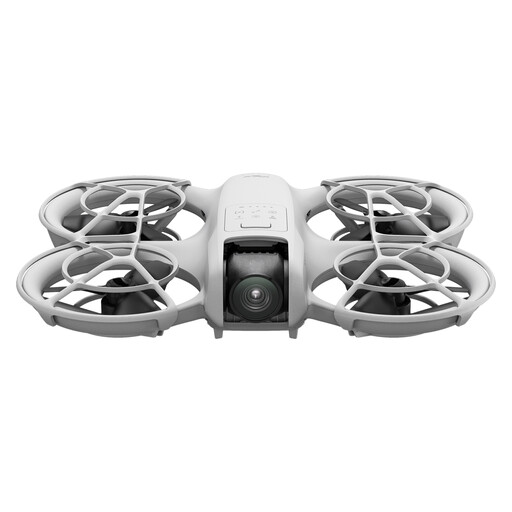
Why This Fits Their Persona: A compact starting point for families, students and first-time users who want simple aerial footage for parks, outings and holidays.
The 135g design, palm take-off and full propeller guards reduce setup complexity, while the product still requires responsible CAA-compliant flying.
4K UHD video, subject tracking, eight QuickShots and controller-free operation are listed features.
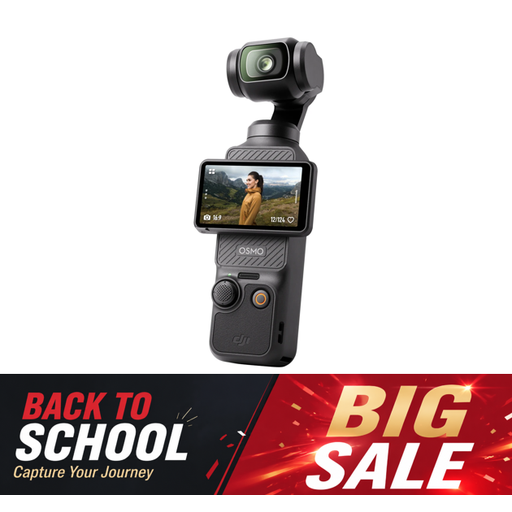
Why This Fits Their Persona: Suited to vloggers, YouTubers and travellers who want a small handheld camera with more control than a phone.
Its 1-inch CMOS sensor and three-axis mechanical stabilisation address two common weaknesses of small cameras: low-light limitations and shaky walking footage.
The listed features include 4K/120fps recording, ActiveTrack 6.0, a rotatable 2-inch screen and 10-bit colour recording.

Why This Fits Their Persona: A practical match for outdoor enthusiasts, sports users and creators filming in wet, cold or physically demanding conditions.
The Adventure Combo includes three batteries, helping reduce interruptions during longer filming sessions instead of relying on a single charge.
The product description lists a 1/1.1-inch square sensor, variable f/2.0–f/4.0 aperture, up to four hours of normal-use battery life and 20m water resistance.
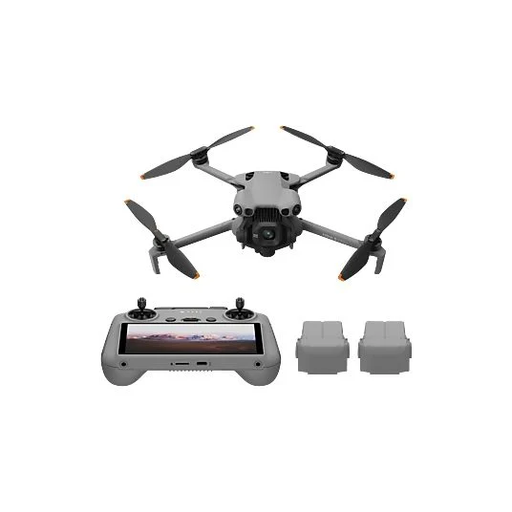
Why This Fits Their Persona: Suitable for travellers and creators wanting a foldable camera drone with a remote controller, obstacle sensing and flexible framing.
The Fly More package addresses the hidden cost of buying batteries and charging accessories separately, while C0 certification supports easier category identification.
Listed features include a 1-inch CMOS sensor, 4K/60fps HDR video, 225° gimbal rotation, 42GB internal storage and up to 36 minutes of flight time.
Good visuals can be undermined by wind or distant speech. A DJI wireless microphone such as the DJI Mic Mini 2 supports direct Bluetooth connection to phones and selected DJI equipment, with two-level noise cancelling and a charging case. The listed system offers up to 48 hours of operation with the case, although actual use varies by settings and conditions.
For phone-based content creation, the DJI Osmo Mobile 8 combines tracking, lighting, audio reception, a tripod and a built-in extension rod. It is worth checking your phone’s size, case thickness and app compatibility before ordering.
If you plan to charge laptops, lights or camera batteries away from home, compare the socket types, output and weight of a DJI Power 1000 or Power 1000 Mini. Portable power stations are useful for camping and filming locations, but they are not a substitute for checking airline restrictions or safe battery transport guidance.
We have compiled a complete, real-time list of products that fully satisfy these strict selection criteria and UK safety regulations.
UK requirements depend on the drone’s weight, classification and how it is used. Check the CAA’s current rules before flying. You may need an Operator ID even when a Flyer ID is not required, and you must follow location, privacy and safety restrictions.
It can be a practical first vlogging camera because it combines a compact body, three-axis mechanical stabilisation, subject tracking and a rotatable touchscreen. Beginners should still budget for a suitable memory card, protective storage and an external microphone if filming interviews.
Ongoing costs usually include spare batteries, memory cards, protective accessories and charging equipment. Adventure Combos with multiple batteries can reduce the need for immediate add-on purchases. Always use compatible chargers and allow batteries to cool before charging.