
24/7 Customer Support

Free returns

Same-day & Next-day Delivery

Quality Guaranteed

Unlock Your Welcome Offers: FREE Delivery | Up to 80% OFF | Free 30-day JoyPlus trial
Download the APP
Shaky, jarring video can instantly detract from the story you are trying to tell, whether it is a travel vlog, a family memory or content for your social media followers. While modern smartphones and cameras have improved image stabilisation, a dedicated DJI gimbal stabiliser is a purpose-built tool for achieving smooth, cinematic motion.
Navigating the options can be confusing. Do you need a phone gimbal, a more robust stabiliser for a mirrorless camera or an all-in-one vlogging camera? This guide is designed to help you understand the key differences and identify a suitable model for your creative projects. We will look at some popular choices from the DJI Osmo and Ronin series to help you make an informed decision.
Before diving into specific products, consider these key factors to narrow down your search.
The most important consideration is what you will be filming with. A gimbal designed for a smartphone will not support the weight of a mirrorless camera and lens.
Think about where and how you will be filming. Your choice of travel video gear will likely differ from a studio setup.
Today’s gimbals offer more than just stabilisation. Features like subject tracking and versatile shooting modes can significantly improve your workflow.
Here are a few standout options from DJI, each catering to a different type of video creator.
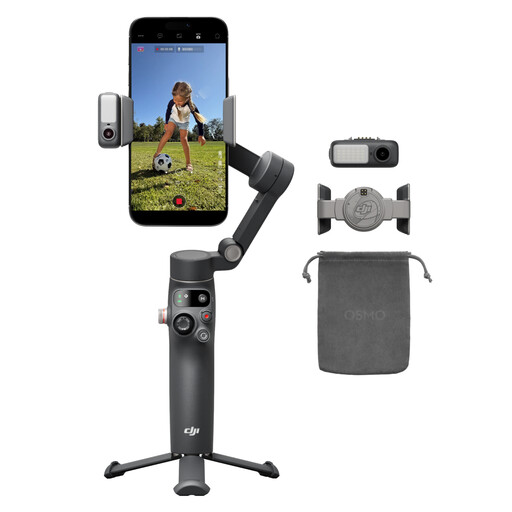
Why It Stands Out: The Osmo Mobile 8 is a complete content creation tool for your smartphone. It integrates stabilisation with lighting and audio tracking capabilities, reducing the need for extra accessories. Its foldable design and built-in extension rod make it exceptionally versatile for vlogging and travel.
Pros:
Who is it for? This is an excellent choice for social media creators, vloggers and anyone who primarily uses their smartphone for video and wants a portable, all-in-one solution.
View details for the DJI Osmo Mobile 8
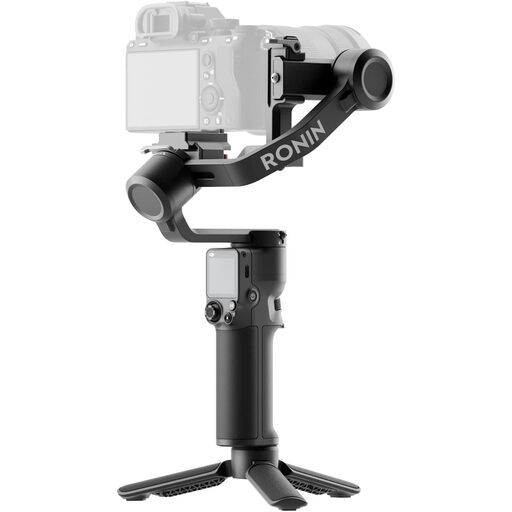
Why It Stands Out: The RS 3 Mini addresses a common issue for mirrorless camera users: bulky stabilisers. Weighing just 795g, it offers a powerful stabilisation system in a travel-friendly package, capable of supporting a wide range of popular camera and lens combinations.
Pros:
Who is it for? This is aimed at semi-professional videographers and serious hobbyists who use mirrorless cameras from brands like Canon, Sony and Fujifilm and need a powerful yet portable gimbal.
View details for the DJI RS 3 Mini
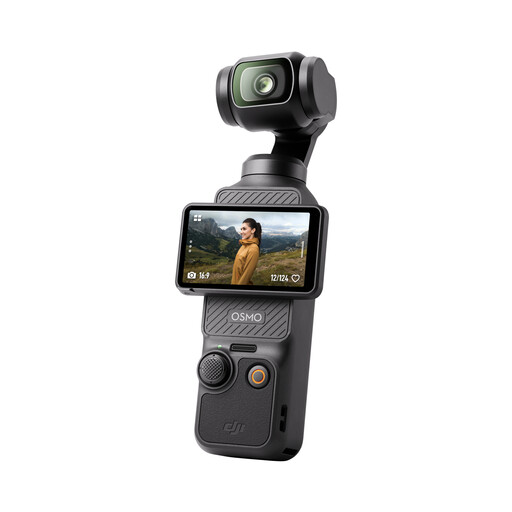
Why It Stands Out: The Osmo Pocket 3 is not just a gimbal; it is a complete, pocket-sized vlogging camera. With a high-quality 1-inch sensor and built-in 3-axis camera stabiliser, it eliminates the need to pair a phone or camera. Its rotating screen and advanced tracking make it a formidable tool for creators who value speed and portability above all else.
Pros:
Who is it for? Ideal for travel vloggers, journalists and content creators who want an incredibly compact, all-in-one device that can be ready to shoot in seconds without compromising on video quality.
View details for the DJI Osmo Pocket 3
If these models do not quite match what you are looking for, there are many other solutions available. From different brands to models with specific features, you can find the right tool for your budget and creative needs.
Explore our full range of Image stabiliser options to see more.
The main difference is that the DJI Osmo Mobile is a gimbal that uses your smartphone as the camera. The DJI Osmo Pocket, on the other hand, is an all-in-one device with its own integrated camera and gimbal, so no phone is required to operate it.
Not necessarily. Phone gimbals like the Osmo Mobile series are designed for smartphones and have specific weight and dimension limits. Camera stabilisers like the RS series have a maximum payload capacity. It is crucial to check the compatibility list on the product page to ensure your specific phone or camera-and-lens combination is supported.
For most vloggers, a 3-axis stabiliser is a highly valuable tool. It smooths out the unavoidable shakes and jitters from walking and talking, giving your videos a more polished and professional look. Features like subject tracking also make it much easier for solo creators to film themselves without needing a camera operator.