Solo documentary narrators
If you record one voice in a quiet room or improvised space, a portable recorder may be enough. Consider where its built-in microphones would sit, or whether it accepts a lavalier you can position closer to your voice.


For one narrator, a compact recorder with a suitable microphone input can keep the setup straightforward. Choose an XLR-equipped multitrack recorder when you need several microphones or separately editable sources; either way, microphone placement and monitoring matter alongside recording format.
If you record one voice in a quiet room or improvised space, a portable recorder may be enough. Consider where its built-in microphones would sit, or whether it accepts a lavalier you can position closer to your voice.
When narration and pickups happen across locations, a manageable kit matters. Check how you will monitor takes, prepare storage and power the recorder before relying on it away from your usual setup.
If a shoot combines narration, interviews, boom microphones, lavaliers or ambience, count the sources that must be recorded at once. Separate inputs and tracks may matter more than keeping the recorder pocket-sized.
Start with microphone placement and the number of simultaneous sources. Then check how the recorder handles changing levels, monitoring, storage and power in your intended setup.
| Concern | What to check | Who this matters to |
|---|---|---|
| Close narration | Check the microphone connector and any power your chosen microphone needs. Plan where the microphone or recorder can sit away from reflective surfaces. | If I narrate at a desk, I want my voice captured close up rather than relying on a recorder placed across the table. Around 33% of consumers put close microphone placement first. |
| Changing sound levels | Check whether the exact model offers 32-bit-float recording, headphone monitoring and a format your editing workflow accepts. | Moving between quiet narration and louder pickups makes it important for me to keep track of what is being recorded. Around 27% of consumers put changing-level recording first. |
| Separate sound sources | Count simultaneous microphone inputs and tracks; confirm XLR connections, phantom power or timecode if the production requires them. | If I need to edit a boom microphone, lavalier and ambience separately, one combined recording will not serve that plan. Around 20% of consumers put separate sources first. |
| A manageable kit | Check supported storage, the intended recording format and the power arrangement for the length of your sessions. | For repeated pickups, I need a kit I can carry and prepare without running short of recording space or power. Around 20% of consumers put that practicality first. |
Zoom's H1essential guidance warns that placing the recorder directly on a table can introduce reflections that reduce clarity. Recording format cannot correct poor microphone placement.
Plan where the narrator and microphone will be before choosing a recorder. If you intend to use an external microphone, confirm its connection and power requirements.
A compact microphone input is not interchangeable with the four XLR/TRS inputs Zoom lists for the H6essential or the three microphone preamps Sound Devices lists for the MixPre-3 II.
Count the microphones that need separate tracks in your largest realistic setup, including interviews and ambience, before settling on an input arrangement.
Media compatibility and recording endurance depend on the recorder and chosen format. Zoom specifies supported microSD card ranges for the H1essential, while Sony lists format-dependent battery figures for the PCM-A10.
Confirm compatible storage and test the intended format and power arrangement for a full expected session.
When identifiable recordings are processed as personal data, how they are collected, accessed and retained also matters. The Information Commissioner's Office advises organisations to identify an appropriate lawful basis where UK GDPR applies.
Set out the production's approach to recording notices, access and retention before collecting material, and seek project-specific advice for sensitive or unclear situations.
Zoom offers both compact handheld and multi-input field-recorder routes relevant to documentary narration.
The MixPre-3 II is a production-oriented option when separate microphone inputs and tracks are part of the recording plan.
The PCM-A10 is a compact recorder to consider when onboard storage and an external-microphone connection suit the planned setup.
These options include wearable wireless microphone kits and compact voice recorders for narration or pickups. If you need a dedicated XLR multitrack workflow, assess inputs and tracks separately rather than treating these products as substitutes.
 No image available
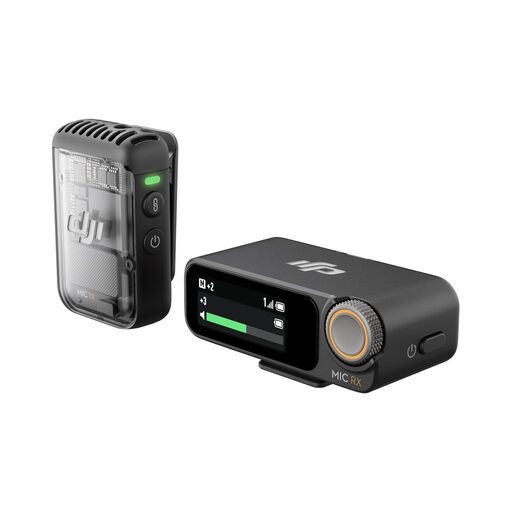
Consider this wearable microphone kit for one narrator if its recording and file-transfer workflow fits your edit. The listed kit has one transmitter and one receiver and specifies 32-bit-float recording; check how recordings are retrieved and whether you can monitor during a take.
 No image available
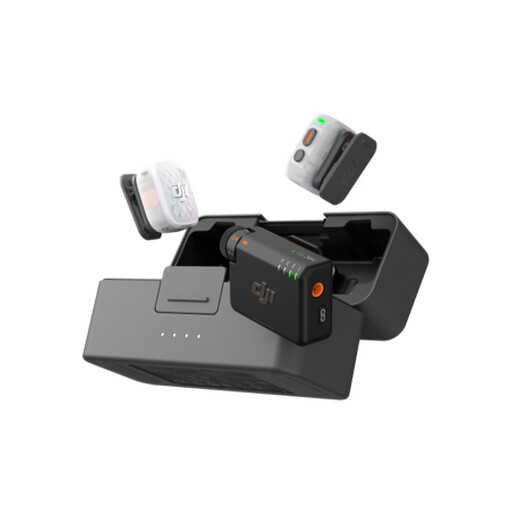
The two-transmitter kit is worth considering when you want wearable microphones for narration and another voice. Before relying on it for separate documentary recordings, confirm standalone recording operation, how audio files are accessed and whether monitoring meets your needs.
 No image available
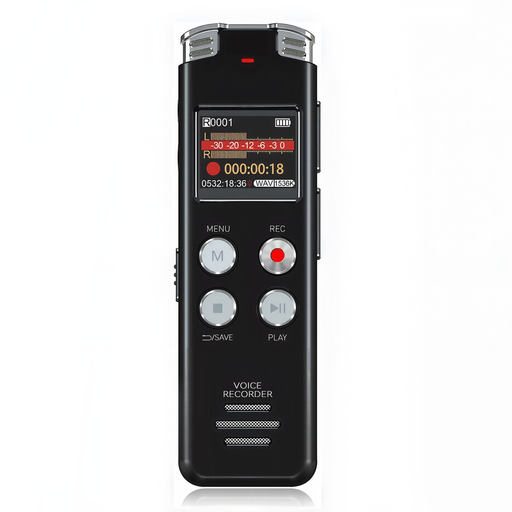
For straightforward solo voice capture, this portable recorder lists 128GB storage and an LCD screen. If close microphone placement is important to your narration, confirm whether it accepts your intended external microphone and provides headphone monitoring.
 No image available
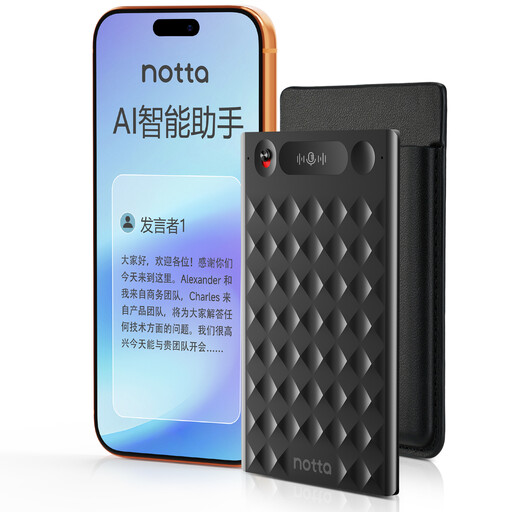
If you want voice capture alongside transcription features, check that the recorded audio can be exported in a format your edit accepts. This variant lists 32GB storage, a case and a stated 30-hour battery figure; also confirm headphone monitoring and how file management works.
No. Zoom presents 32-bit-float recording on its cited handheld models as reducing the need to adjust levels, but it does not correct microphone placement, wind, handling noise or unwanted background sound. Listen during a take where your setup allows it.
Move to an XLR-equipped multitrack recorder when your documentary needs several connected microphones or sources kept on separate tracks. Confirm the input count and any phantom-power or timecode requirements for the particular shoot; one narrator using a compatible microphone may not need that workflow.
Check the exact recorder's compatible storage, chosen recording format and power arrangement, then test them for the expected session length. Zoom specifies microSDHC cards of 4 GB–32 GB and microSDXC cards of 64 GB–1 TB for the H1essential; those ranges should not be assumed for other models.
No single consent rule settles every documentary recording. Where identifiable audio is processed as personal data and UK GDPR applies, Information Commissioner's Office guidance calls for an appropriate lawful basis; consent is not automatically the applicable basis. Seek project-specific advice about recording circumstances, contributors and any sensitive material.