
24/7 Customer Support

Free returns

Same-day & Next-day Delivery

Quality Guaranteed

Unlock Your Welcome Offers: FREE Delivery | Up to 80% OFF | Free 30-day JoyPlus trial
Download the APP
A simple ball can be a source of endless joy for a dog, but with so many options available, choosing the right one can feel surprisingly complex. From classic fetch toys to advanced interactive puzzles, the world of dog balls has expanded far beyond the standard tennis ball. For owners of small to medium-sized dogs and puppies in the UK, finding a toy that is engaging, safe and durable is paramount.
This guide is designed to help you navigate the choices. We will explore the key features to look for when selecting a ball for your pet, from material and size to its specific function. We will also share some of our top recommendations to help you find a toy that supports your dog's training, dental health and overall happiness.
Before you make a purchase, considering a few key factors can ensure you get a toy your dog will love and that will stand the test of time.
The material of a dog ball directly impacts its safety and longevity. For many dogs, especially enthusiastic chewers, a solid rubber dog ball made from natural, non-toxic materials is an excellent choice. These are often designed as durable dog toys that can withstand rigorous play. Softer latex or vinyl balls can be suitable for gentle chewers or for supervised games of fetch, but they may not hold up to a determined chewer. For young dogs, look for specific puppy chew toys made from materials that are firm enough to satisfy their chewing instincts but gentle on developing teeth.
Think about how your dog likes to play. Is their favourite game a high-energy session of fetch? If so, a set of classic dog fetch balls might be all you need. However, if you want to provide mental stimulation, an interactive dog toy is a fantastic option. Squeaky dog balls are great for capturing a dog's attention and encouraging play, while a treat dispensing dog ball turns playtime into a rewarding puzzle, helping to alleviate boredom and anxiety.
Size is a critical safety consideration. A ball that is too small can become a serious choking hazard. As a general rule, the ball should be large enough that your dog cannot fit it entirely in their mouth behind their front canine teeth. For smaller breeds, products like small dog tennis balls are specifically sized to be carried safely without being a swallowing risk. Always check the manufacturer's recommendations and supervise your pet with any new toy.
Here are a few standout options that cater to different play styles and needs for small to medium-sized dogs.
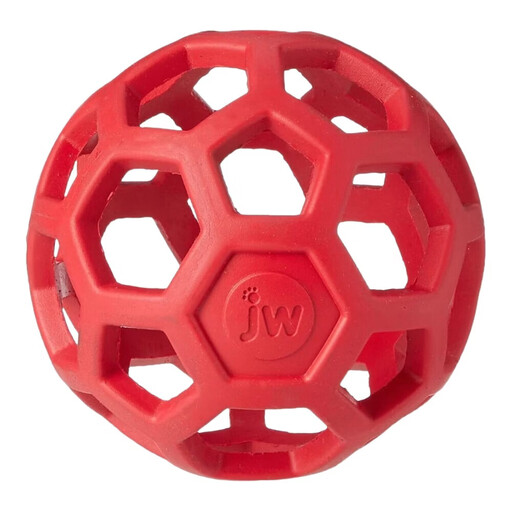
Why It Stands Out: The Hol-ee Roller's unique, open-lattice design makes it incredibly versatile. It functions as a fetch toy, a chew toy and a treat dispensing dog ball all in one. Its flexible yet durable construction provides a satisfying chew while encouraging problem-solving.
Pros:
Who is it for: This is an excellent choice for owners of puppies and small dogs who need a toy that provides mental stimulation and combats boredom. It's particularly good for food-motivated dogs.
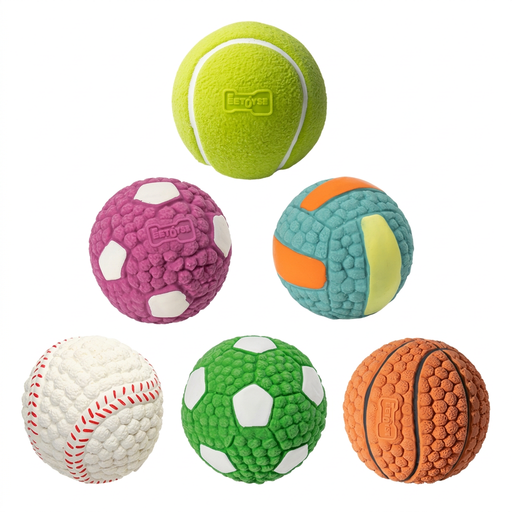
Why It Stands Out: This set of squeaky dog balls delivers the classic auditory feedback that many dogs find irresistible. Made from soft latex, they offer a gentle chewing experience and the textured surface provides the added benefit of helping to clean teeth during play.
Pros:
Who is it for: Ideal for small to medium-sized dogs who are motivated by sound and enjoy a softer, more pliable toy. It's a good fit for gentle to moderate chewers.
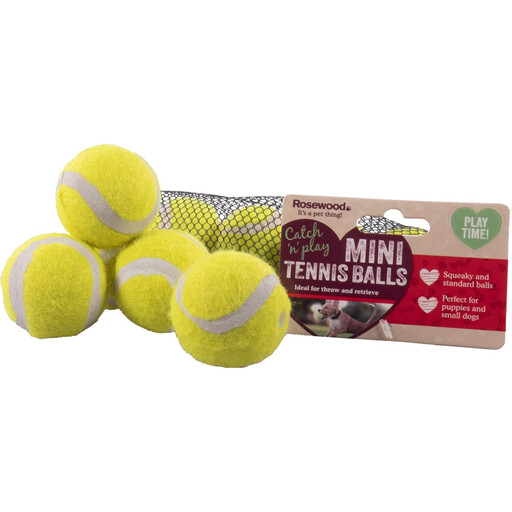
Why It Stands Out: For the quintessential game of fetch, this multi-pack of small dog tennis balls is a reliable and practical choice. They are specifically sized for smaller breeds, making them easier and safer to carry than standard tennis balls.
Pros:
Who is it for: A great staple for owners of active small dogs who love a classic game of fetch. This is a straightforward and effective choice for outdoor exercise.
While these recommendations cover a range of play styles, every dog is unique. If your pet has different needs, or if you're searching for more specialised toys to aid with training and enrichment, you may find what you're looking for in our broader collection.
Explore our full range of dog training toys to discover more options.
Standard tennis balls designed for sport can present some risks. The abrasive felt can contribute to wearing down a dog's tooth enamel over time, a condition known as "blunting." Furthermore, strong chewers can tear them apart, creating a choking hazard from the rubber and felt pieces. It is generally safer to opt for balls specifically designed for dogs, such as pet-safe small dog tennis balls or durable rubber alternatives.
For dogs that chew with vigour, look for toys marketed as durable dog toys and made from solid, heavy-duty rubber. Avoid hollow, thin or soft toys that can be punctured or torn easily. It is always important to supervise your dog with any new toy to see how it holds up to their individual chewing style and to remove it if it becomes damaged.
A treat dispensing dog ball is a powerful tool for mental enrichment. It serves as an interactive dog toy that challenges your dog to think and problem-solve to get their reward. This can help reduce boredom, slow down fast eaters and provide a constructive outlet for energy, which may also help in managing separation anxiety.