
24/7 Customer Support

Free returns

Same-day & Next-day Delivery

Quality Guaranteed

Unlock Your Welcome Offers: FREE Delivery | Up to 80% OFF | Free 30-day JoyPlus trial
Download the APP
As a dog owner, you know that a good chew can be a lifesaver. It keeps your companion entertained, helps with dental hygiene and provides a satisfying outlet for their natural instincts. Yet, walking down the pet aisle or browsing online reveals a bewildering array of dog bones and treats. The packaging is filled with appealing claims, but choosing the right one can feel like a gamble.
Many UK dog owners find themselves caught in common purchasing traps, leading to wasted money and, in some cases, unsuitable treats for their pets. Before you add another chew to your basket, let's look at the pitfalls to avoid.
By understanding what to look for, you can confidently select a treat that is both safe and enjoyable for your dog.
To make an informed choice, it helps to look past the marketing and focus on a few key parameters. These details on the packaging provide a much clearer picture of what you are actually giving your dog.
A high-quality treat starts with a clear ingredients list. Look for products that name the specific meat source (e.g., "Chicken Breast 24%") rather than using ambiguous terms. Pay attention to the analytical constituents:
A one-size-fits-all approach doesn't work for dog chews. Consider these factors:
Many chews offer benefits beyond simple enjoyment. Dental dog chews, for example, are specifically designed with a texture that helps to mechanically clean teeth and reduce plaque build-up as the dog chews. Look for a ridged or abrasive texture and ingredients that support oral health. Similarly, treats with specific flavours like chicken flavour dog treats or peanut butter dog chews can be excellent for training and rewarding.
To help you navigate the options, we've matched some products to common owner profiles, highlighting how they address the pitfalls and meet specific needs.
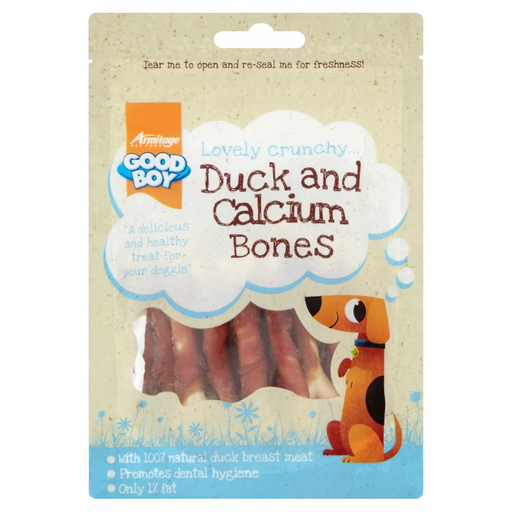
Why This Fits Their Persona: This owner prioritises clean ingredients and functional benefits. They want a treat that supports their dog's health, not just a filler snack. These bones are ideal for owners mindful of their dog's weight and overall well-being.
It counters the "natural illusion" with a clear, high-quality primary ingredient (100% natural duck breast) and a very low fat content of just 1%. It's also free from wheat and artificial additives.
Enriched with calcium to help support strong teeth and bones. The high protein (28%) and low-fat recipe makes it a guilt-free reward.
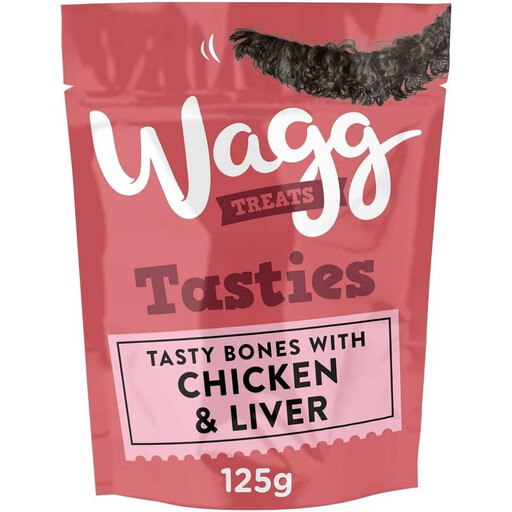
Why This Fits Their Persona: This owner needs a cost-effective supply of treats for regular training sessions or as a daily reward. They are looking for bulk dog treats that offer great value without compromising on palatability.
This multipack offers excellent value, avoiding the trap of overpaying for small, single packs. As a small, crunchy biscuit, it's not trying to be a long-lasting chew, thus avoiding the durability dilemma entirely.
The pack of 7 provides a convenient and economical supply. Suitable for dogs from 8 weeks old, making it a versatile option for households with puppies or adult dogs.
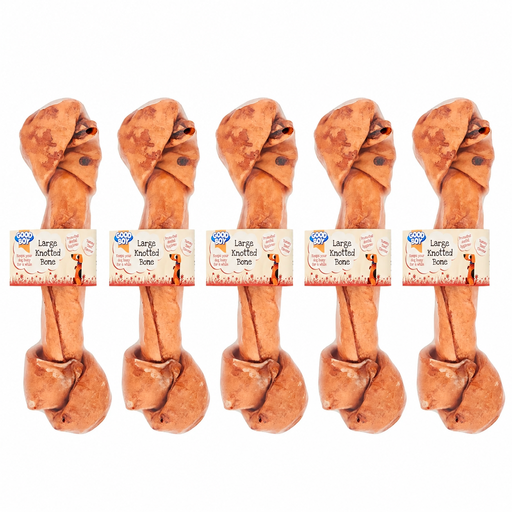
Why This Fits Their Persona: This owner has a medium or large dog with a strong urge to chew. They need a durable, satisfying and long-lasting option to keep their dog occupied and prevent destructive behaviour.
It addresses the "rawhide riddle" by being a classic, high-protein (80% crude protein) rawhide chew. The key is responsible ownership, which this guide promotes: always supervise your dog to ensure they chew safely.
This is a genuine long lasting dog chew that satisfies a powerful chewing instinct. The multipack of 5 offers good value for owners of large dogs who go through treats quickly.
We have compiled a complete, real-time list of products that fully satisfy these strict selection criteria and UK safety regulations.
1. How often should I give my dog a bone or chew? This depends on the type of treat and your dog's diet. Small, low-calorie biscuit-style treats can often be given daily as part of a training routine. Larger, more calorie-dense chews like rawhide or ham bones should be an occasional treat, perhaps once or twice a week. Always reduce your dog's main meal portion accordingly to prevent weight gain and ensure treats make up no more than 10% of their daily calorie intake.
2. Are rawhide bones safe for all dogs? Rawhide can be a great long-lasting chew, but it's not suitable for every dog. The main risk comes from dogs that tend to swallow large pieces, which can cause blockages. It's crucial to always supervise your dog with any rawhide product. Choose a size that is appropriately large for your dog to discourage swallowing and take it away once it becomes small enough to be ingested whole. For "gulpers," consider digestible alternatives or durable rubber chew toys.
3. At what age can I give my puppy a chew bone? Most manufacturers recommend waiting until a puppy is at least 4 months old before introducing harder chews, as their adult teeth are still coming in. For very young puppies (8-16 weeks), it's better to stick to softer, specially designed puppy chew bones or rubber teething toys. Always check the product's age recommendation on the packaging before giving it to your puppy.