
24/7 Customer Support

Free returns

Same-day & Next-day Delivery

Quality Guaranteed

Unlock Your Welcome Offers: FREE Delivery | Up to 80% OFF | Free 30-day JoyPlus trial
Download the APP
As a pet owner, choosing a dog bowl seems simple. Yet, many of us have a collection of unused bowls gathering dust—ones that slide across the kitchen floor, are a nightmare to clean or were rejected by our furry companions. The market is filled with options, but not all are created equal. A good bowl is more than just a container; it's a tool for your pet's health and your home's cleanliness.
My role as Joybuy’s Product Recommendation Officer involves filtering through market information to provide practical shopping advice. Today, we'll cut through the marketing clutter and focus on what truly matters, helping you avoid the common pitfalls that lead to wasted money and frustration.
Before you add another bowl to your basket, be aware of these frequent issues that catch many UK shoppers out:
To make a sensible choice, focus on these core parameters. They will determine the bowl's longevity, safety and suitability for your pet.
The material is the most critical factor, influencing hygiene, durability and stability.
Modern bowls are designed to address specific behaviours and health needs.
A bowl that is too small can cause frustration, while one that is too large may encourage over-feeding. A large dog bowl is essential for breeds like Labradors or German Shepherds, whereas smaller bowls are better suited for terriers or cats. Remember that cat bowls are often designed to be shallower to avoid whisker fatigue.
Based on these practical criteria, here are a few options from our catalogue, matched to different owner needs.
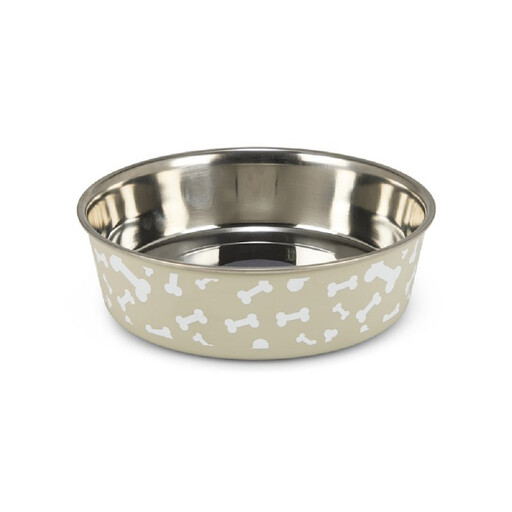
Why This Fits Their Persona: This is for the owner tired of cleaning up after a dog that pushes its bowl around. It combines a hygienic stainless steel interior with a durable outer shell and a proper non-slip base, making it a practical, everyday workhorse.
It counters the "non-slip illusion" with a substantial rubber base that offers genuine grip. The stainless steel interior and dishwasher-safe design directly address the "hidden hygiene trap".
Hygienic stainless steel inner bowl. Effective non-slip rubber base. Fully dishwasher safe for easy cleaning.

Why This Fits Their Persona: This is for the owner of a fast-eating dog or a taller breed who could benefit from an elevated posture. It's a versatile, all-in-one solution that grows with your pet.
This is a purpose-built system, not a gimmick. It combines a slow feeder and a raised station, and its four height levels avoid the "one-size-fits-all" flaw of fixed elevated bowls.
Four-level height adjustment. Includes both a slow feeder and a standard stainless steel bowl. Foldable for easy storage.
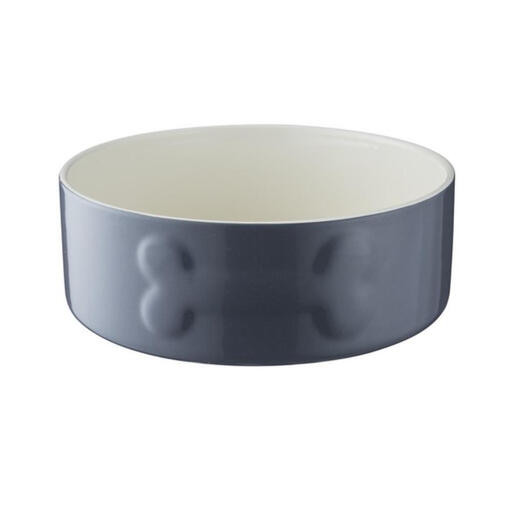
Why This Fits Their Persona: For those who believe a pet's accessories should complement their home's decor. This classic stoneware bowl is both beautiful and highly functional, offering a timeless look that doesn't compromise on quality.
It avoids the "material mismatch" trap by using heavy, chip-resistant stoneware. Its substantial weight makes it inherently stable, bypassing the need for a flimsy non-slip ring.
Heavyweight stoneware provides excellent stability. Stylish, classic design. Dishwasher safe and easy to clean.
We have compiled a complete, real-time list of products that fully satisfy these strict selection criteria and UK safety regulations.
For optimal hygiene, food bowls should be washed after every meal, particularly if you use wet food. Water bowls should be washed and refilled with fresh water at least once a day. Choosing a dishwasher safe pet bowl can make this daily routine much more manageable.
For most young, healthy dogs, a bowl on the floor is perfectly fine. However, a raised dog feeding station can provide significant comfort for senior dogs with arthritis, very large breeds who have to stoop uncomfortably or dogs with certain medical conditions that affect swallowing. If you have concerns, it is always a good idea to discuss them with your vet.
While many bowls can be used for either, dedicated cat bowls are often wider and shallower. This design helps prevent "whisker fatigue," a condition where a cat's sensitive whiskers constantly brush against the sides of a deep bowl, which can cause discomfort and stress during mealtime.