
24/7 Customer Support

Free returns

Same-day & Next-day Delivery

Quality Guaranteed

Unlock Your Welcome Offers: FREE Delivery | Up to 80% OFF | Free 30-day JoyPlus trial
Download the APP
As a pet owner, choosing the right dog bowl can feel like a simple task. However, the market is filled with options that promise much but often fall short, leading to messy floors, uncomfortable meal times for your pet and wasted money. A basic bowl might not be enough if your dog is a fast eater, a messy drinker, or a large breed requiring better posture. This guide will help you navigate the common pitfalls and identify the key features that truly matter for your pet's health and your home's cleanliness.
Before you buy, be aware of a few common design traps that can make a seemingly good bowl impractical.
To make a smart purchase, focus on these three non-negotiable parameters. Analysing these will help you find a bowl that solves problems rather than creating new ones.
The material of your dog's bowl directly impacts hygiene and longevity.
The shape and function of the bowl should match your pet's specific needs.
A bowl that moves is a bowl that spills. Look for a wide, heavy base or a large, integrated non-slip mat. For water, consider the capacity. A large dog water bowl is essential for big breeds or multi-pet households to ensure a constant supply of fresh water throughout the day.
To help you match a product to your needs, here are some recommendations based on common UK household scenarios.
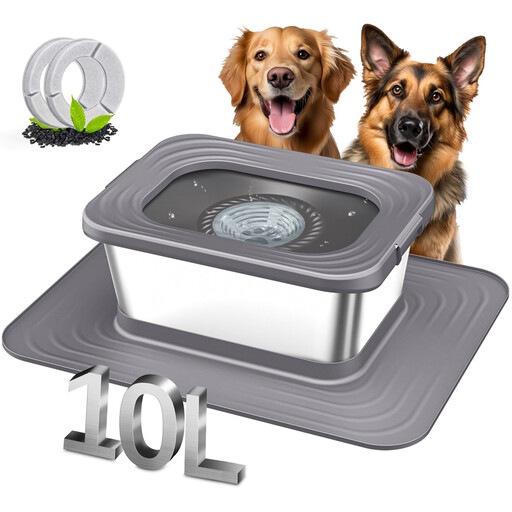
Why This Fits Their Persona: Ideal for homes with large dogs or multiple pets who make a mess around the water bowl. The huge 10-litre capacity means fewer refills and the design specifically targets splashes and spills.
It directly counters the "non-slip illusion" with a substantial weight (1.63kg) and a large, dedicated anti-slip mat, ensuring it stays put. The floating plate and splash-proof barrier minimise mess.
Large 10L capacity reduces daily refills. The inner bowl is stainless steel for easy cleaning and hygiene.
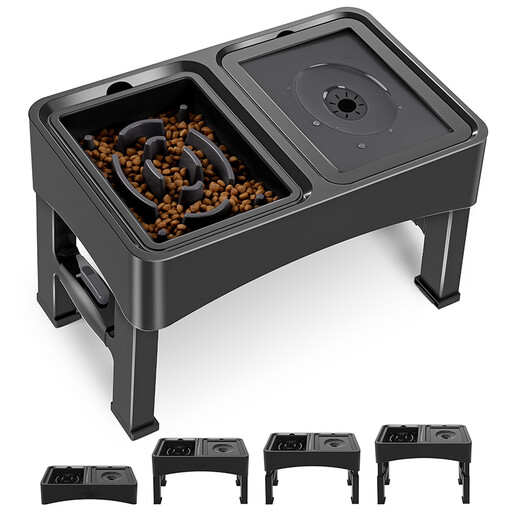
Why This Fits Their Persona: Perfect for owners of growing puppies, large breeds or any dog that eats too fast. This all-in-one station addresses both eating speed and posture with a single, convenient product.
This directly solves the "one-size-fits-all" problem by offering four adjustable heights (from 10cm to 31cm). It adapts to your pet's needs, ensuring they always have a comfortable eating position.
Combines a slow feeder bowl and a floating water bowl in one unit. The stand is foldable for easy storage or travel.
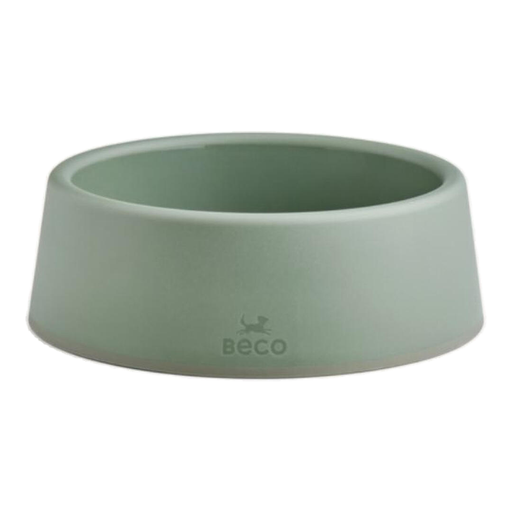
Why This Fits Their Persona: For the pet owner who wants a functional, stable bowl without compromising on environmental values. It's sturdy, practical and made with sustainability in mind.
This bowl's wide, non-tip base provides genuine stability, preventing it from being pushed around. It's also made from sturdy, BPA-free recycled plastic, avoiding the hygiene issues of cheap, easily scratched materials.
Made from 96% post-consumer recycled plastic. It is dishwasher safe for easy cleaning and comes from a B Corp certified brand.

Why This Fits Their Persona: For the owner who wants to encourage their dog or cat to drink more while prioritising convenience and a quiet home. This fountain's modern features make it easy to maintain.
It tackles the "hygiene blind spot" head-on. The cordless pump design means there are no wires in the water tank, making it significantly easier to disassemble and clean thoroughly, preventing bacterial build-up.
Features ultra-quiet operation (<20dB) and a three-stage filtration system to provide clean, appealing water for your pet.
We have compiled a complete, real-time list of products that fully satisfy these strict selection criteria and UK safety regulations.
A good rule of thumb is to measure your standing dog from the floor to the top of their shoulder, then subtract approximately 15 cm (or 6 inches). The bowl should sit roughly level with the bottom of your dog's chest. An adjustable dog bowl stand is a practical solution as it allows you to find the perfect height and adapt it if needed.
For many dogs, yes. A slow feeder dog bowl can significantly improve digestion by preventing them from gulping air along with their food, which can reduce the risk of bloating and regurgitation. It also adds a layer of mental stimulation to meal times. When choosing one, ensure the pattern is not too complex for your dog and that it is made from a material that is easy to clean thoroughly.
To ensure the water stays fresh and the unit remains hygienic, a pet water dispenser should be completely disassembled and cleaned with soap and water at least once a week. The pump should also be cleaned to prevent blockages. Filters typically need replacing every 2-4 weeks, depending on the manufacturer's guidance and how many pets use the fountain.