
24/7 Customer Support

Free returns

Same-day & Next-day Delivery

Quality Guaranteed

Unlock Your Welcome Offers: FREE Delivery | Up to 80% OFF | Free 30-day JoyPlus trial
Download the APP
Choosing dog and cat supplements and treats can seem straightforward until you compare ingredient lists, serving instructions and marketing claims. A chew may look like an ordinary snack but contain concentrated ingredients, while a liquid supplement may offer flexible feeding but create extra measuring and storage requirements.
For UK pet owners, the sensible approach is to match the product to a specific need, check the label carefully and account for treats within the animal’s daily diet.
Chewables and lickable snacks are convenient, but “one treat” does not mean the same thing for every pet. A supplement may require different amounts for a 4kg cat, a 12kg dog and a large-breed dog. Always check species, body weight and daily dosage before comparing pack prices.
A larger-looking pouch may not provide more days of use if the recommended serving is high. Calculate the approximate cost per daily serving rather than comparing only the net weight.
Words such as “natural”, “advanced” or “support” do not explain whether a product is suitable for your pet. Look for the actual composition, analytical constituents where provided, allergens and additives.
For pet gut health supplements, useful information may include the named probiotic strain, prebiotic fibre and feeding instructions. For dog and cat skin and coat supplements, check whether the formula lists oils, proteins, vitamins or other identifiable ingredients. If the product page and packaging differ, use the packaging as the final reference.
Digestive changes, persistent scratching, reduced mobility, bad breath or changes in appetite can have different causes. Pet itch and allergy chews, digestive supplements for dogs and cats and joint products should not be used to delay veterinary advice where symptoms continue or worsen.
Supplements are intended to complement an appropriate diet and routine. They should not replace prescribed treatment, dental care, parasite control or a balanced complete pet food.
A product suitable for dogs may not be appropriate for cats, even when the packaging appears similar. Confirm whether it is intended for dogs, cats or both and check minimum age requirements.
For example, some cat treats are suitable from three months, while a supplement may be described for all life stages but still carry specific warnings. Pregnant or lactating animals, pets taking medication and animals under veterinary supervision may require individual advice.
For dog and cat probiotics, check whether the product identifies the probiotic ingredient, such as Bacillus coagulans, and whether it also includes a prebiotic fibre. A product containing both probiotic and prebiotic components may be relevant to owners looking for broader gut support, but individual responses vary.
For dog and cat joint supplements, commonly listed ingredients include glucosamine, chondroitin, MSM and vitamin C. These are not interchangeable, so compare the full composition and the amount supplied per recommended serving.
For coat-focused products, salmon oil, salmon protein and hydrolysed collagen may be listed. Read the feeding method too: liquids can be added to food or administered directly, whereas chewables may be easier for pets that accept treat textures.
Treats should be included in the daily calorie allowance. This is particularly relevant when buying low-calorie cat treats or using several functional products at once.
Check for wheat, gluten, grains, milk, chicken or other ingredients that may not suit your pet. “Grain-free” does not automatically mean suitable for every sensitive animal. Cats should also have access to fresh drinking water, especially when eating dry or concentrated treats.
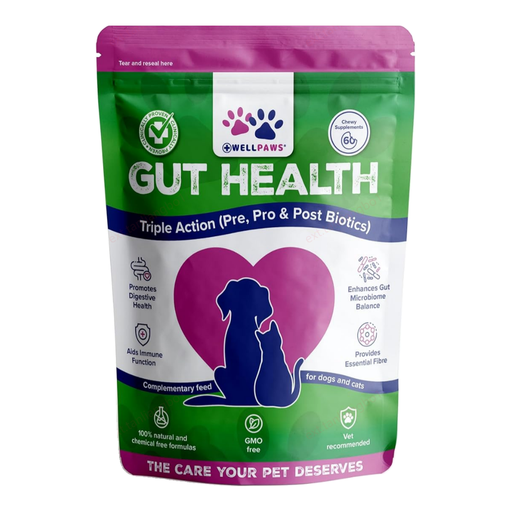
Why This Fits Their Persona: A direct-feed chewable format suits owners starting a simple daily gut-support routine for a dog or cat.
The pack provides separate dog and cat dosage guidance by weight, helping owners avoid guessing the portion.
Contains Bacillus coagulans, Diamond V XPC yeast culture and Fibrulose prebiotic fibre; no mixing is required.
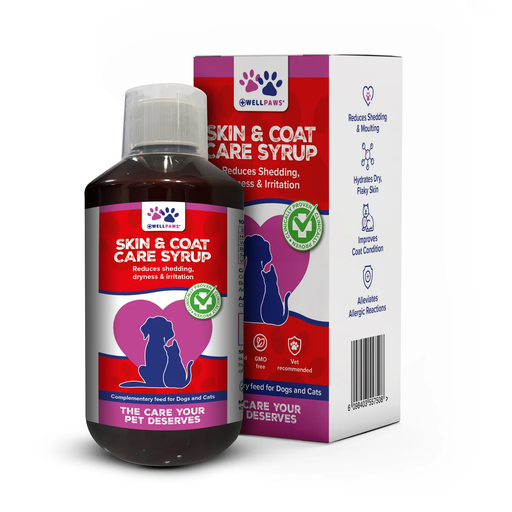
Why This Fits Their Persona: The 300ml liquid format works for owners who prefer measuring a supplement into meals rather than offering another chew.
Its stated weight bands, from 1–10kg through 30–45kg, make serving comparison more transparent than an unspecified splash.
Can be added to food, mixed with water or given directly; the listed composition includes salmon oil and hydrolysed salmon protein.
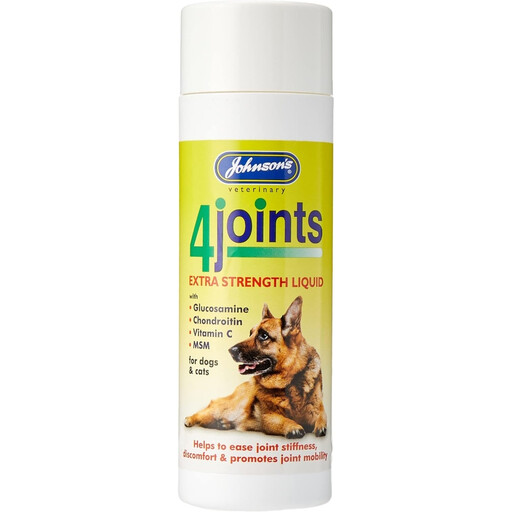
Why This Fits Their Persona: A liquid joint supplement is practical for owners supporting an older, active or mobility-conscious pet and managing more than one species.
The instructions specify shaking, measuring by size or weight and not exceeding the recommended daily amount.
Lists glucosamine, MSM, chondroitin and vitamin C; it can be mixed into food or administered directly.
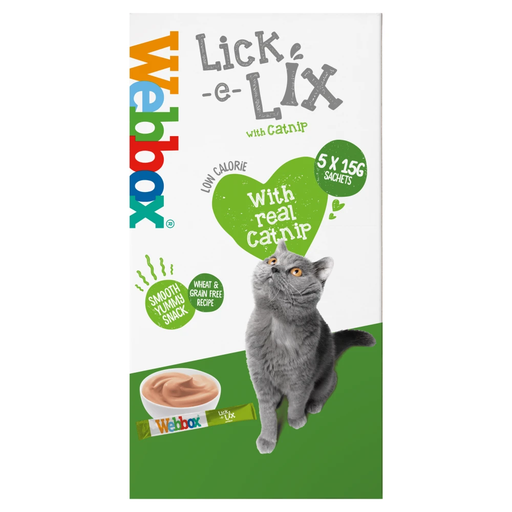
Why This Fits Their Persona: Cat owners wanting a small, portioned snack or meal topper may prefer individual lickable sachets.
Each 15g sachet contains 8.5 kcal, giving owners a clear figure for calorie planning rather than relying on vague “light” wording.
A five-sachet pack; wheat- and grain-free recipe with real catnip, suitable for cats from three months.
We have compiled a complete, real-time list of products that fully satisfy these strict selection criteria and UK safety regulations.
Follow the product label and introduce it gradually where practical, particularly if your pet has a sensitive stomach. Give only the recommended amount, monitor appetite and bowel habits and avoid starting several new products at once. This makes it easier to identify any unwanted reaction.
The lifespan depends on the product and storage instructions. Some chewables in this range state that they should be used within 120 days of opening. Keep products sealed in a cool, dry place, away from direct sunlight and children and always follow the packaging if it gives a different instruction.
Usually, they are designed to be used alongside a complete diet, but portions may need adjustment. Treats contribute calories, while supplements may contain concentrated ingredients. Check compatibility with your pet’s diet and medication and ask a vet before use if your animal is pregnant, nursing, unwell or under medical supervision.