
24/7 Customer Support

Free returns

Same-day & Next-day Delivery

Quality Guaranteed

Unlock Your Welcome Offers: FREE Delivery | Up to 80% OFF | Free 30-day JoyPlus trial
Download the APP
A chewed-up cushion, a bored dog whining by the door, or the tell-tale signs of a teething puppy exploring the world with their mouth—these are familiar scenes for many dog owners across the UK. Choosing the right dog chew toys is about more than just saving your furniture; it's about providing a safe outlet for natural instincts, promoting dental health and keeping your companion mentally stimulated.
As the Joybuy Product Recommendation Officer, my role is to help you navigate the options. This guide offers practical advice for selecting a toy that is durable, engaging and, most importantly, appropriate for your dog.
With so many choices available, it can be difficult to know where to start. Focusing on a few key factors can simplify the process and ensure you bring home a toy your dog will love safely.
The material of a toy is directly linked to its safety and longevity. Natural rubber dog toys are a popular choice, offering a satisfyingly chewy texture that is often gentle on a dog's gums. For more determined chewers, durable nylon can provide a longer-lasting challenge. Always check that a toy is made from non-toxic, pet-safe materials. The goal is to find durable dog toys that can withstand your dog's chewing style without breaking into hazardous small pieces.
A toy that is perfect for a gentle Poodle might not last five minutes with a powerful Staffordshire Bull Terrier. It is crucial to match the toy to your dog's size and chewing intensity.
Consider what you want the toy to achieve. Are you looking for puppy teething toys to soothe sore gums? Or perhaps interactive dog toys to tackle separation anxiety and boredom? A simple ball might be ideal for a game of fetch, making it a great dog fetch toy, while a textured chew can keep a dog occupied independently. Having a variety of toys helps cater to your dog's different needs for play, comfort and mental work.
Based on their design, materials and intended use, here are a few standout options for different types of dogs.

Why It Stands Out: This toy is specifically designed with a puppy's needs in mind. The combination of soft fabric and an internal rattle provides both comfort and gentle stimulation, encouraging play without being too harsh on developing teeth and gums.
Pros:
Who is it for: This is an ideal first toy for puppies and small-breed dogs going through the teething stage. It is not intended for aggressive or destructive chewers.
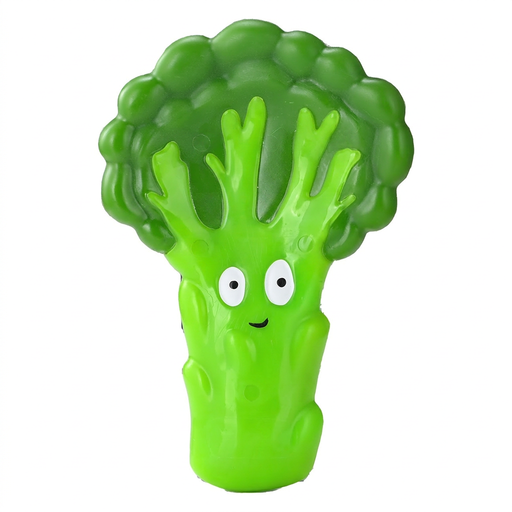
Why It Stands Out: This toy combines a fun, engaging shape with a robust material. The durable nylon construction is built to satisfy a dog's natural urge to chew, while the unique broccoli design makes it an interesting object for both independent play and interactive games of fetch.
Pros:
Who is it for: Small and medium-sized dogs who are moderate chewers. It provides a good balance of durability for chewing and a fun shape for interactive play.
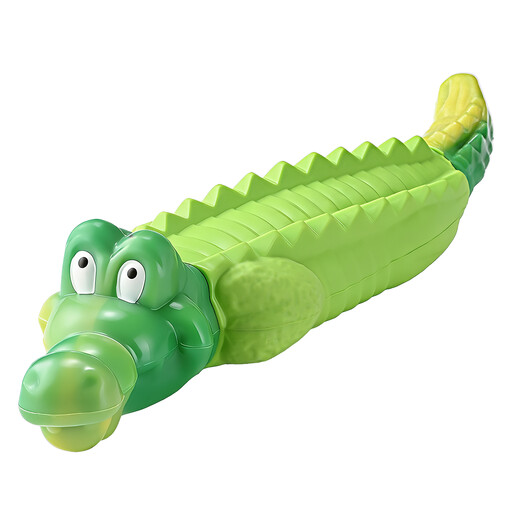
Why It Stands Out: This toy is engineered for strength. Its dual-layer design, featuring a hard nylon core encased in a tough natural rubber exterior, provides the resilience needed to stand up to powerful jaws. The crocodile shape and textured surface also make it easy for larger dogs to grip.
Pros:
Who is it for: Medium to large dogs with a strong bite. This is one of the top tough dog toys for chewers who need a serious challenge.
Every dog has a unique personality and play style. If you are looking for a toy that offers multiple ways to play, such as treat-dispensing or puzzle features, explore our curated collection of dual function dog toys for more engaging solutions.
A safe toy is one that is appropriate for your dog's size and chewing strength. Check that it is made from non-toxic materials like BPA-free plastic or 100% natural rubber. The toy should be large enough that it cannot be swallowed. Most importantly, inspect toys regularly and discard them if they become damaged, cracked or have pieces breaking off.
There is no set schedule; it depends entirely on the toy's durability and your dog's chewing habits. Power chewers may wear down toys in weeks, while gentle chewers might have the same toy for months. The key is regular inspection. Check toys after every play session and replace them at the first sign of significant damage to prevent any risk of ingestion.
Yes, they can be a fantastic tool for mental stimulation. Interactive dog toys, especially those that can be stuffed with treats or have complex textures, challenge a dog's mind and provide a productive outlet for their energy. This can help reduce dog toys for boredom and prevent destructive behaviours that arise when a dog is under-stimulated.