
24/7 Customer Support

Free returns

Same-day & Next-day Delivery

Quality Guaranteed

Unlock Your Welcome Offers: FREE Delivery | Up to 80% OFF | Free 30-day JoyPlus trial
Download the APP
A suitable chew toy can give your dog an outlet for natural chewing, encourage play and make time alone more manageable. The wrong one, however, may become unusable quickly or create a swallowing risk. This guide explains what to check before buying dog chew toys, with practical recommendations for puppies, adult dogs, senior dogs and strong chewers.
Searches for an indestructible dog toy often lead to products using phrases such as “unbreakable” or “guaranteed for aggressive chewers”. No chew toy is suitable for every bite force. Even a durable dog chew toy can crack, splinter, shed pieces or develop sharp edges over time.
Always inspect the toy before and after use. Remove it immediately if you notice deep grooves, cracks, loose sections or pieces that could be swallowed. Supervision is particularly important during first use and for dogs that tend to gulp or destroy toys.
“Large breed” is a useful starting point, but it does not replace checking the actual dimensions and construction. A powerful medium-sized dog may need a sturdier toy than a gentle giant, while a puppy may struggle with an oversized nylon bone.
The toy should be large enough that your dog cannot fit the whole item into its mouth. Follow the product’s stated size guidance and consider your dog’s chewing style, jaw strength and tendency to carry or swallow objects.
Textured surfaces and ridges may rub against some tooth surfaces or massage the gums while a dog chews. This does not make a toy a replacement for tooth brushing, professional veterinary advice or regular oral checks. A dental chew toy for dogs should be viewed as part of a wider care routine, not a guaranteed solution for plaque or bad breath.
Material affects feel, noise, cleaning and resistance to chewing:
A layered design, such as a nylon core with a natural rubber exterior, can offer a balance between firmness and a softer outer texture. Nevertheless, durability depends on the individual dog and should not be treated as a permanent guarantee.
Bone, branch, wing and crocodile shapes offer different gripping points. A curved or textured toy can be easier to hold, while a long design may work better for fetch and tug games. Check measurements in centimetres rather than relying only on photographs.
For puppies, look for a puppy teething toy with an appropriate size and texture. Puppies should be supervised closely, as teething can lead to intense chewing and quick wear. Senior dogs may prefer a less rigid option that is easier to grasp.
A toy that can be rinsed or wiped is easier to keep hygienic. Rinse nylon or rubber items according to the product instructions and dry them thoroughly. Do not assume every chew toy is dishwasher-safe or suitable for soaking.
Create a simple replacement rule: inspect frequently and replace at the first sign of damage, rather than waiting for a complete break. Rotating several toys can also reduce overuse and maintain interest.
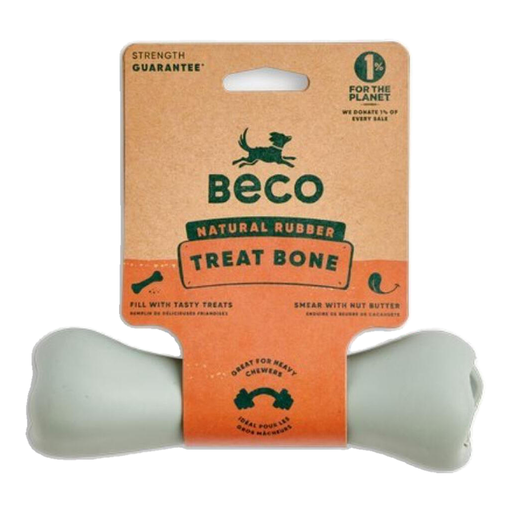
Why This Fits Their Persona: A practical starting option for owners wanting one toy for treat-based enrichment, indoor chewing and occasional fetch.
The listing clearly states that no toy is indestructible and advises regular inspection and replacement when worn.
Thick natural rubber; two fillable ends; 17.5 × 4.9 × 5.4 cm; designed for quieter indoor play.

Why This Fits Their Persona: Suits owners of large dogs who prioritise a firm, dedicated chew toy rather than a soft general-play design.
It states the intended large-dog use and warns owners to stop use if cracks or excessive wear appear.
Large nylon bone shape; chicken flavouring; rounded edges; can be rinsed with water.
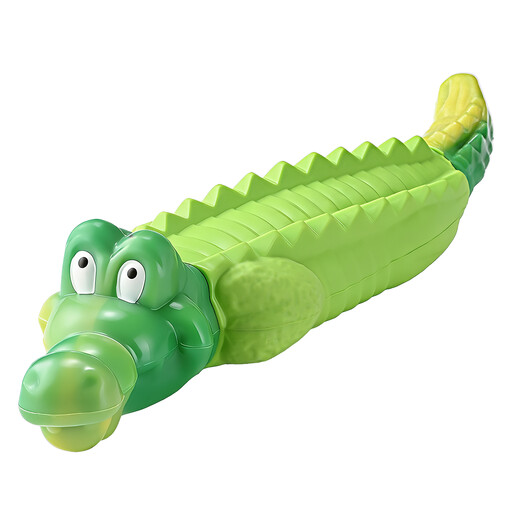
Why This Fits Their Persona: Designed for medium and large dogs that need a toy for chewing, retrieval games and outdoor activity in parks or gardens.
The product specifies its size range, materials and supervision requirements instead of presenting it as universally indestructible.
Nylon core with natural rubber exterior; 24 × 6 cm; textured crocodile shape; suitable for fetch and tug play.

Why This Fits Their Persona: A medium-dog option for owners seeking a branch-like shape for independent chewing and supervised tug games.
Its stated 17.7 × 7.3 × 3.3 cm dimensions make it easier to compare with your dog’s mouth size before ordering.
Cowhide-and-nylon construction; textured branch shape; intended for medium-sized dogs; water-rinse cleaning guidance.
We have compiled a complete, real-time list of products that fully satisfy these strict selection criteria and UK safety regulations.
A dog fetch and chew toy can provide more varied activity than a static bone, but it still needs supervision. For dogs that destroy soft toys quickly, a purpose-built nylon or layered rubber design may be more suitable than plush fabric.
There is no fixed lifespan. It depends on material, bite strength, frequency of use and whether the dog tears or swallows pieces. Check toys regularly and replace them when worn, cracked, sharp or small enough to swallow.
Some nylon designs may be too hard or large for young puppies. Choose a product specifically marked for the puppy’s size and chewing stage, supervise use and ask a vet for guidance if your puppy has sore, damaged or bleeding gums.
Textured toys may help rub parts of the teeth or massage the gums during chewing, but they do not replace brushing or veterinary dental care. Select a suitable dental chew toy for dogs, inspect it carefully and maintain a regular oral-care routine.