
24/7 Customer Support

Free returns

Same-day & Next-day Delivery

Quality Guaranteed

Unlock Your Welcome Offers: FREE Delivery | Up to 80% OFF | Free 30-day JoyPlus trial
Download the APP
By Joybuy Product Recommendation Officer
For many UK dog owners, dog chew toys are more than a way to keep a pet occupied. The right toy can redirect destructive chewing, provide mental stimulation and make rainy-day play more engaging. The wrong one may be ignored, damaged quickly or become unsuitable after only a few sessions.
Marketing descriptions can make almost any product sound “indestructible”. In practice, suitability depends on your dog’s size, age, bite strength and chewing habits. Use the guide below to compare materials, dimensions and practical features before buying.
No dog toy is indestructible. A toy described as suitable for strong or aggressive chewers may still develop cracks, sharp edges or loose parts. Hard nylon, rubber, cowhide and fabric each wear differently, so inspect the toy regularly rather than relying only on the product title.
Replace any toy that is:
“Small dog” and “large dog” are useful starting points, but they do not measure chewing strength. A small terrier may chew more forcefully than a much larger, gentler dog. Check the toy’s dimensions and recommended weight or size range, then consider how your dog actually plays.
A toy that is too small may create a swallowing risk. One that is too large may be difficult to grip, carry or enjoy.
Textured surfaces and raised nubs may rub against some parts of the teeth during chewing. However, dental chew toys for dogs are not a substitute for a suitable oral-care routine or veterinary advice. Avoid claiming that any toy removes all plaque or prevents dental disease. Treat “teeth cleaning” as a potential play benefit, not a guarantee.
Rubber dog chew toys are often useful for dogs that enjoy some give in a toy. Natural rubber options can also be quieter on indoor floors and may include treat-filling openings. TPR rubber is commonly used for softer puppy toys, although it is not intended for highly destructive chewing unless the product specifically says so.
Nylon dog bones and nylon-core toys are generally firmer. They may suit dogs that prefer a harder chewing surface, but owners should monitor wear and avoid products that become sharp or splintered.
Mixed-material toys combine different textures. For example, a nylon core with a rubber exterior can offer a firm centre and softer outer surface. Cowhide and nylon designs may appeal to dogs that like a more varied texture, but any edible or detachable section needs close supervision.
Measure the toy against your dog’s mouth and compare it with the listed dimensions. A long, easy-to-grip shape can be practical for medium and large dogs, while smaller toys may suit puppies and toy breeds.
Shapes such as bones, branches and tripod designs can make gripping easier. Treat openings may increase engagement and support dog toys for boredom relief, but they can also encourage more intense chewing. Introduce them gradually and monitor how your dog uses them.
Decide whether you need:
Toys intended for throwing should be clearly suitable for that purpose. Some chew toys are not designed for impact games, which can place unnecessary pressure on teeth.
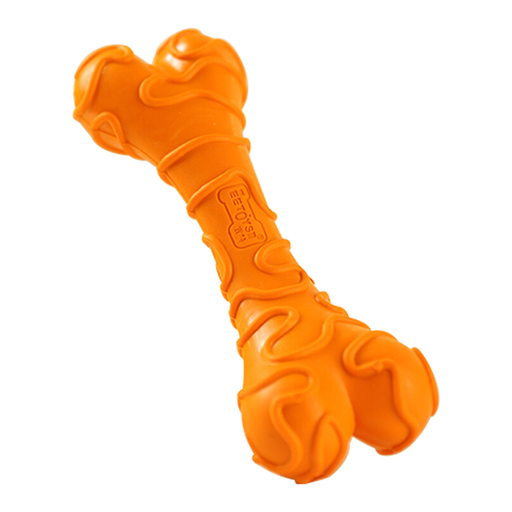
Why This Fits Their Persona: Its compact 10.7 × 4 cm format is designed for small dogs and puppies, making it a straightforward option for owners starting a chew-toy rotation.
The stated small-dog sizing helps avoid choosing an oversized product, while the rubber construction is positioned for teething and interactive use rather than extreme chewing.
Lightweight rubber design; suitable for independent chewing or owner-led play.
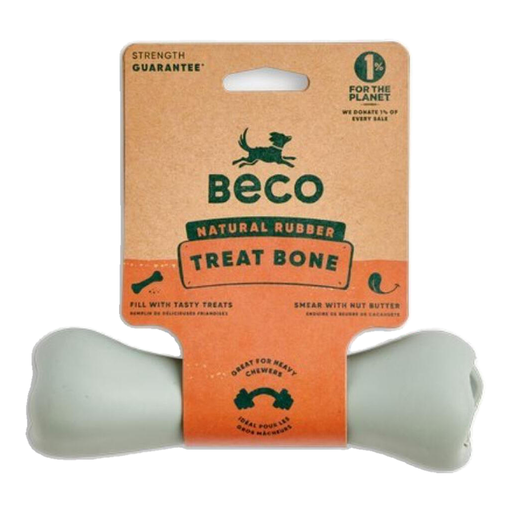
Why This Fits Their Persona: Owners wanting a quieter indoor toy with added enrichment can use its fillable ends with pastes or dry treats.
The product information states that it is durable but not indestructible, helping set a realistic expectation and encouraging regular inspection.
Thick natural rubber; treat-fillable ends and quiet indoor play.
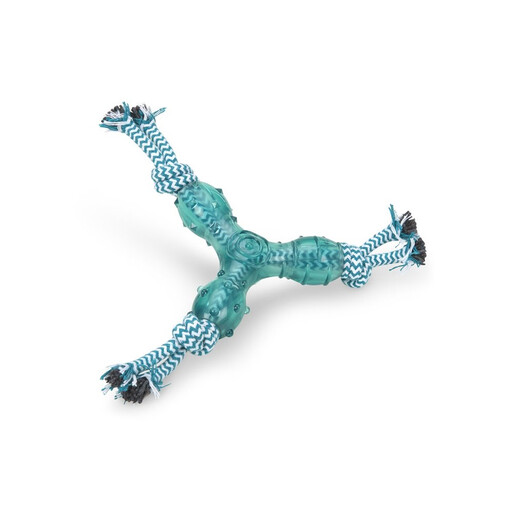
Why This Fits Their Persona: The tripod shape is intended to be easier for small paws to hold, while the TPR base and rope top provide different textures for supervised puppy play.
The safety information clearly excludes large dogs and aggressive chewers, reducing the risk of matching a soft puppy toy with an unsuitable chewing style.
TPR and polyester rope textures; stable tripod format for small breeds.
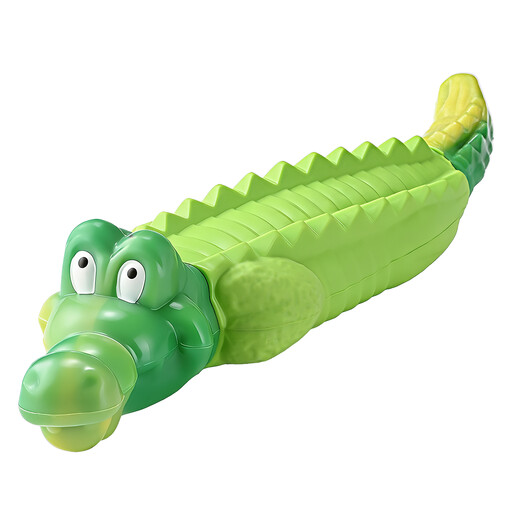
Why This Fits Their Persona: Medium and large dogs that enjoy fetch, tugging and outdoor activity may benefit from its 24 × 6 cm format and dual-layer construction.
The intended size range is stated clearly, helping prevent the common mistake of giving a small dog a large, heavy toy or expecting one product to suit every breed.
Nylon core with natural rubber exterior; suitable for fetch, tugging and outdoor play.
Supervise your dog when introducing a new toy, particularly if they chew quickly, swallow fragments or are still teething. Remove the toy after play if you cannot monitor it.
For daily care:
A toy may support enrichment, but it should not be used to manage separation-related behaviour on its own. Persistent destructive chewing may need a broader training plan and professional veterinary guidance.
We have compiled a complete, real-time list of products that fully satisfy these strict selection criteria and UK safety regulations.
There is no fixed lifespan. A gentle chewer may use the same toy for months, while an enthusiastic chewer may damage it much sooner. Inspect it before and after use rather than judging safety by age alone. Replace it as soon as cracks, missing pieces or significant wear appear.
Not always. Puppies may need softer puppy teething toys, depending on their age and chewing behaviour. Check the product’s stated suitability carefully and supervise use. If you are unsure whether a hard surface is appropriate, ask your vet.
They can provide an appropriate outlet for chewing and enrichment, particularly when rotated or combined with treat-based interaction. They will not automatically resolve destructive behaviour. Match the toy to your dog’s size and chewing strength, and combine it with exercise, training and supervised play.