
24/7 Customer Support

Free returns

Same-day & Next-day Delivery

Quality Guaranteed

Unlock Your Welcome Offers: FREE Delivery | Up to 80% OFF | Free 30-day JoyPlus trial
Download the APP
As a dog owner, you are likely familiar with the signs of a bored or anxious companion: a gnawed-on table leg, a de-stuffed cushion or simply a pair of pleading eyes looking for something to do. Choosing the right dog chew toys is about more than just saving your furniture; it is about providing essential mental stimulation, promoting dental health and strengthening the bond with your pet.
With so many options on the market, finding a toy that is safe, engaging and durable can feel overwhelming. My role as the Joybuy Product Recommendation Officer is to help you navigate these choices with clear, practical guidance. This article will outline what to look for in a quality chew toy and present some of our top recommendations for 2026 to keep your dog happy and occupied.
Before you make a purchase, consider these key factors to ensure you are choosing a suitable toy for your dog's specific needs.
The material of a chew toy directly impacts its safety and longevity. For powerful chewers, look for durable dog toys made from hard-wearing materials like solid nylon or dense rubber. For puppies or gentler dogs, softer materials like thermoplastic rubber (TPR) or reinforced fabric can be more appropriate. Always check that the materials are non-toxic and suitable for pets.
A good toy should hold your dog's interest. Interactive dog toys, such as those that dispense treats or make noise, are excellent for tackling dog toys for boredom. Squeaky dog toys can tap into a dog's natural prey drive, making playtime more exciting. For dental health, consider dog dental chews with textured surfaces designed to help clean teeth and massage gums as your dog chews.
A toy that is perfect for a Great Dane could be a hazard for a Chihuahua. Always choose toys that are appropriately sized for your dog's mouth to prevent choking. The needs of a young dog also differ significantly; puppy chew toys are often made from softer materials to soothe the discomfort of teething without damaging their developing jaws and teeth. These are often labelled as dog teething toys.
Based on their features, materials and intended use, here are a few standout options to consider for your canine companion.
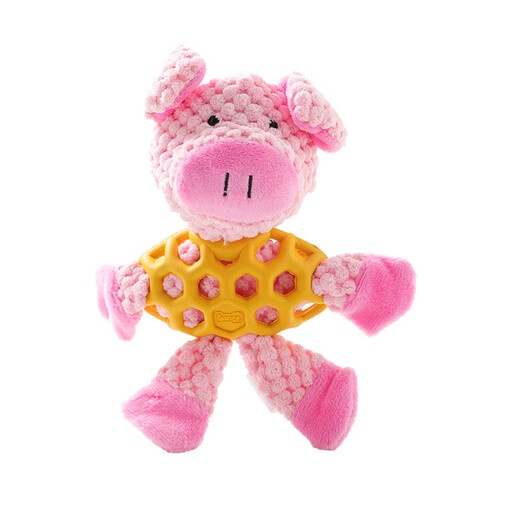
Why It Stands Out: This toy offers a thoughtful combination of soft and sturdy materials. The main body is made from thickened corduroy fabric, providing the comfort of a plush toy, while elements of natural rubber add durability for light to moderate chewing. The built-in squeaker provides auditory feedback that keeps dogs engaged.
Pros:
Who is it for: This is an excellent choice for dogs of all breeds who enjoy the comfort of a soft toy but tend to wear out standard plushies too quickly. It is particularly useful for relieving boredom and soothing mild anxiety.
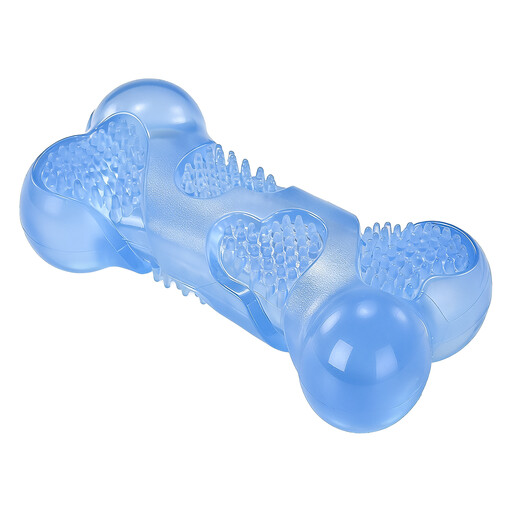
Why It Stands Out: Made from soft and flexible TPR (thermoplastic rubber), this bone-shaped toy is designed to be gentle on a dog's teeth and gums. Its textured surface aids in dental cleaning and the internal squeaker provides instant stimulation, making it a great tool for both independent play and interactive games of fetch.
Pros:
Who is it for: Ideal for small to medium-sized breeds and puppies in their teething phase. Its soft-yet-durable nature makes it a suitable puppy chew toy that supports dental health while providing engaging fun.
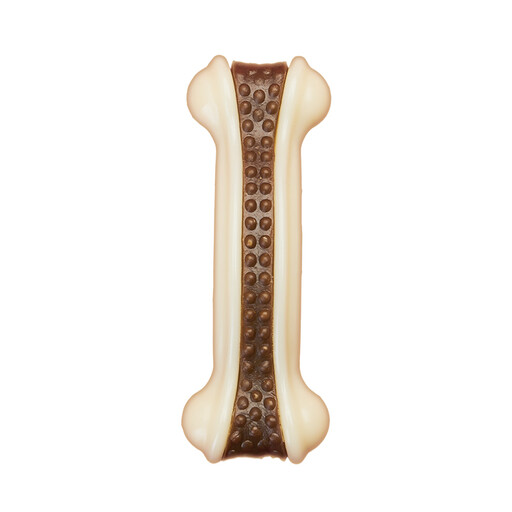
Why It Stands Out: This toy features a unique 2-in-1 design that caters to persistent chewers. The outer shell is made of durable nylon, built to withstand vigorous chewing, while the centre contains an edible beefhide collagen core. This combination satisfies a dog's natural urge to chew while providing a tasty reward.
Pros:
Who is it for: This is a strong candidate for dogs of all breeds who are powerful or persistent chewers. It serves as both a durable toy and one of the more engaging dog dental chews, making it a practical choice for promoting good oral hygiene.
Every dog has unique preferences and chewing strengths. If your dog is in the early stages of development or you are looking for more specialised options, it may be worth exploring a wider range.
For a broader selection, especially if you are searching for the perfect dog toy for teething, we invite you to browse our full category for more choices.
1. How often should I replace my dog's chew toys? There is no fixed schedule for replacing a toy. It is essential to inspect all dog chew toys regularly for signs of wear, such as cracks, splintering or loose parts. If a toy becomes small enough to be a choking hazard or develops sharp edges, it should be discarded and replaced immediately.
2. Are squeaky dog toys safe? When used under supervision, squeaky dog toys are generally safe and provide excellent mental stimulation. The primary risk occurs if a dog manages to tear the toy apart and access the small plastic squeaker inside. Always supervise play and remove the toy if it becomes damaged to prevent accidental ingestion.
3. What are the most durable dog toys for aggressive chewers? For dogs with strong jaws, focus on toys made from robust materials. Dense, solid nylon and specially formulated hard rubber are typically the most resilient options. While no toy is completely indestructible, these materials offer the greatest longevity against powerful chewing. A toy like the Blinkit Curved Bone, with its solid nylon shell, is an example of a more durable dog toy designed for this purpose.