
24/7 Customer Support

Free returns

Same-day & Next-day Delivery

Quality Guaranteed

Unlock Your Welcome Offers: FREE Delivery | Up to 80% OFF | Free 30-day JoyPlus trial
Download the APP
Finding suitable dog chew toys can be surprisingly difficult. A toy may look tough in product photographs yet split quickly under persistent chewing, while an oversized bone can be uncomfortable or unsafe for a smaller dog. The right choice depends on your dog’s size, age, chewing strength and preferred style of play.
This guide explains the common buying traps, the specifications worth checking and a practical shortlist for different UK households.
No dog toy is completely indestructible. Even durable dog chew toys can become damaged when used by a powerful chewer, particularly if the dog bites the same edge repeatedly. Treat phrases such as “near indestructible” as a description of intended toughness rather than a guarantee.
Always inspect a toy before and after use. Cracks, sharp edges, loose threads, detached pieces or a size small enough to swallow are signs that it should be removed.
Raised nubs, ridges and textured surfaces may rub against parts of the teeth and gums while a dog chews. However, a dental chew toy for dogs should not be treated as a substitute for brushing, veterinary advice or a suitable dental routine.
Some listings also make broad claims about plaque, tartar or fresh breath without explaining how the product works. Look instead for objective information such as the surface texture, material and shape, then supervise your dog’s use.
Nylon, bamboo fibre and rubber are often used in tough dog toys for aggressive chewers, but strength alone is not enough. A toy that is too hard may be unsuitable for a puppy or dog with sensitive teeth, while one that is too small may create a swallowing risk.
Check the manufacturer’s recommended dog size and age. A large nylon bone intended for a big breed should not automatically be given to a small dog, and puppy chew toys should be easy for growing dogs to hold.
Natural rubber dog toys are generally flexible and may be quieter on indoor floors than hard plastic toys. Thick rubber can also suit dogs that enjoy carrying, squeezing and chewing. The Beco Natural Rubber Chew Bone Green, for example, is made from thick natural rubber and has fillable ends for pastes, dry treats or baked snacks.
Nylon dog chew toys are typically firmer and may suit dogs that prefer sustained chewing. Some products combine materials, such as a nylon core with a natural rubber exterior, to provide a harder internal structure with a softer outer feel.
For wood-style toys, check how the material is formed. The ZEZE Natural Bamboo Chew Toy uses bamboo-related materials and is designed for chewing and fetch, but supervision remains necessary in case wear creates loose pieces.
The toy should be large enough that your dog cannot comfortably swallow it, but not so large that it cannot be carried or gripped. Shape also affects usability:
For reference, the Beco bone measures 17.5 × 4.9 × 5.4 cm, while the Blinkit interactive football is available in 15 cm and 18 cm diameters. Compare these dimensions with your dog’s mouth size rather than relying only on breed labels.
Choose between solo chewing, food enrichment and active interaction. Interactive dog toys and dog fetch toys can help add movement to a walk in a park or garden, while a chew toy may be more suitable for quiet indoor occupation.
Inflatable toys should be checked for leaks and should not be over-inflated. Treat-filled toys need cleaning after use, and edible centres should be removed when they become small enough to swallow.
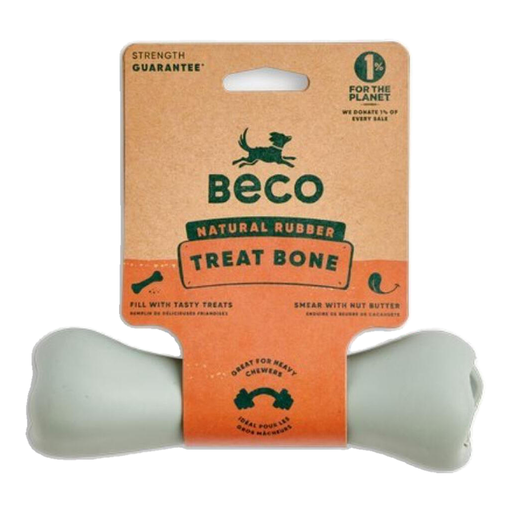
Why This Fits Their Persona: A practical starting point for owners wanting one toy for treat-based enrichment, chewing and light fetch at home or outdoors.
Its listed size and thick rubber construction provide clearer information than vague toughness claims, while regular inspection is still required.
Fillable ends; thick natural rubber; quieter for indoor play.
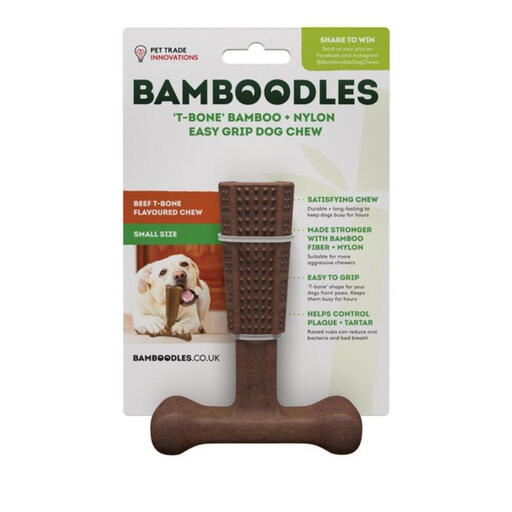
Why This Fits Their Persona: A considered option for small-dog owners who want a firm chew with a paw-friendly shape and a textured surface.
It is specifically listed for small dogs over 10 weeks, helping avoid the mistake of buying a large, unsuitable chew.
Bamboo fibre and nylon construction; raised nubs; easy-grip T-bone shape.
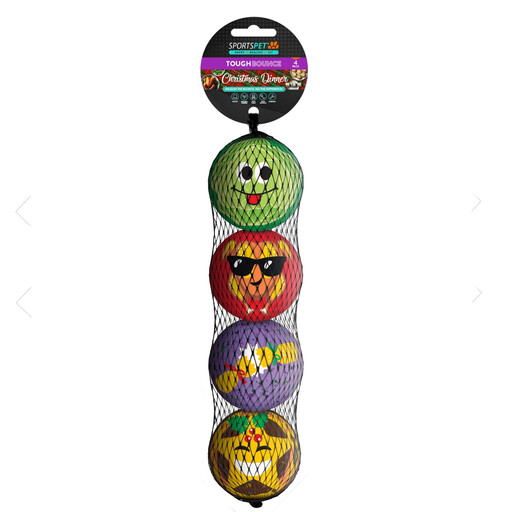
Why This Fits Their Persona: Designed for energetic dogs that need repeated fetch sessions in a garden, park or indoor space.
The pack provides four balls for rotation, but the product warning still advises checking suitability, supervising play and replacing damaged balls.
Four durable rubber balls; bounce-and-fetch format; suitable for indoor and outdoor play.
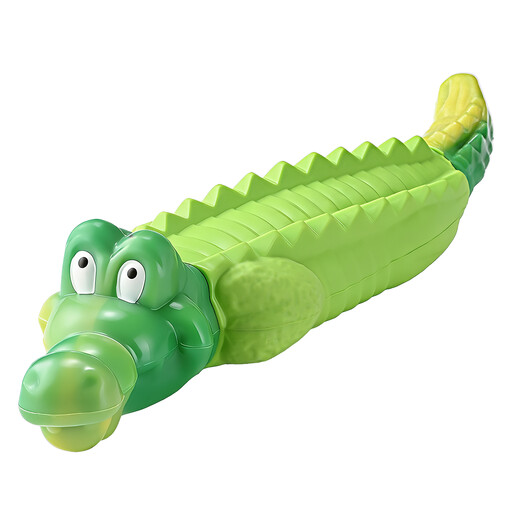
Why This Fits Their Persona: A larger double-layer toy for owners seeking one option for chewing, fetch training and outdoor interaction.
The listing states its intended size category and dimensions of 24 × 6 cm, reducing guesswork when choosing for a larger mouth.
Nylon core with natural rubber exterior; textured crocodile shape; supports fetch and tug-style interaction.
We have compiled a complete, real-time list of products that fully meet these strict selection criteria and UK safety regulations.
There is no reliable universal lifespan. It depends on material, chewing force, frequency of use and whether the dog bites edges or seams. A toy may last weeks or considerably longer, but it should be replaced immediately when damaged rather than kept until a stated time period.
Some are, but not every nylon toy is suitable for every puppy. Check the listed age and size guidance. Puppies may need softer dog teething toys, and close supervision is particularly important while they learn how to chew safely.
They can give a dog an appropriate outlet for chewing and activity, but they do not guarantee that furniture or other objects will be left untouched. Match the toy to the dog’s interests, provide regular exercise and use interactive play such as fetch alongside supervised chewing.