
24/7 Customer Support

Free returns

Same-day & Next-day Delivery

Quality Guaranteed

Unlock Your Welcome Offers: FREE Delivery | Up to 80% OFF | Free 30-day JoyPlus trial
Download the APP
As a UK dog owner, you know that our weather is anything but predictable. A sunny morning can turn into a drizzly afternoon in minutes, making a reliable coat for your canine companion less of a fashion accessory and more of an essential piece of kit. Yet, the market is flooded with options, and it's easy to choose a coat that looks great on the hanger but fails in practice. Before you buy, it's crucial to understand the common pitfalls that lead to wasted money and an uncomfortable dog.
Many owners find themselves with a coat that is either not truly waterproof, fits poorly or is made from unsuitable materials. Let's look at the key issues to avoid:
To ensure you're investing in dog clothes that are both practical and comfortable, focus on these core parameters.
Understanding the terminology is the first step. A dog jumper is typically made from a knitted or stretch fabric, designed to provide a layer of warmth on cool, dry days, much like a sweater for humans. They are perfect for short-haired breeds that feel the chill indoors or for walks in crisp autumn weather.
For wet weather, you need a proper dog raincoat. Look for materials with a waterproof rating, not just a water-resistant coating. These garments often feature taped seams to prevent water from seeping through the stitching. For the colder months, a winter dog coat combines a waterproof outer layer with an insulated lining, such as fleece or quilted padding, to provide both warmth and protection from rain and snow.
An ill-fitting coat is not only uncomfortable but can also be unsafe. To find the right size, you need three key measurements:
Always compare these measurements to the manufacturer's size chart. Look for coats with adjustable features like Velcro straps, toggles or stretchy panels. These allow for a more customised and secure fit, which is essential for both small dog coats and large dog coats, as breed shapes can vary significantly even within a size category.
Beyond fit and weatherproofing, consider the practical details. A harness opening on the back is a crucial feature, allowing you to attach a lead without compromising the coat's fit. Also, check the care instructions. A machine-washable coat is far more convenient for dealing with muddy walks. Materials like polyester are durable and often used for outer layers, while fleece or cotton blends provide soft, breathable linings.
To help you navigate the options, we've matched some functional and stylish pieces to different owner and dog profiles.
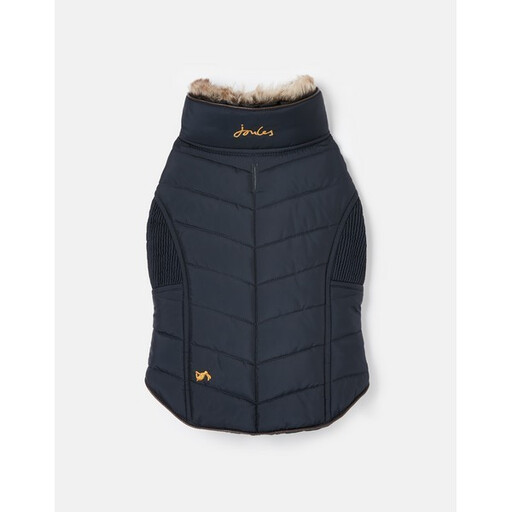
Why This Fits Their Persona: This profile is for the dog and owner who venture out on chilly, damp days and need reliable warmth. This coat is inspired by a human parka, offering a stylish look with serious function for winter walks in the countryside or park.
It directly counters the "poor fit" pitfall with stretchy, expanding panels around the neck and chest, ensuring a snug fit that doesn't restrict movement during active walks.
Features extra padding for warmth and a rear opening for easy lead attachment. The faux fur trim is removable for versatility and easier cleaning.
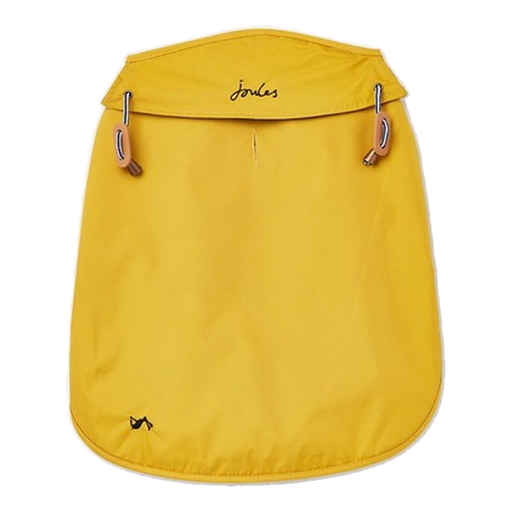
Why This Fits Their Persona: For the owner who sees their dog's apparel as an extension of their own style. This lightweight raincoat is perfect for city walks, offering protection from showers without the bulk of a winter coat.
It avoids the "water-resistant" trap by being clearly positioned as a proper raincoat for wet weather. Its lightweight nature also prevents the risk of overheating on milder, rainy days.
The design is inspired by a popular human jacket, featuring a chic nautical style with striped lining. Practical cord-and-leather toggles ensure a secure fit.

Why This Fits Their Persona: This is for the dog that needs a light layer for chilly mornings, evenings in the garden or just lounging at home. It's a stylish, comfortable jumper, not a heavy-duty coat.
This sweater's flexible stretch material directly solves the "restricted movement" pitfall. It allows for a full range of motion, making it comfortable for both rest and light play.
The aqua-friendly fabric offers lightweight warmth and has quick-drying properties, making it practical if it gets damp from dew. The modern colour block design is very stylish.
We have compiled a complete, real-time list of products that fully satisfy these strict selection criteria and UK safety regulations.
To get an accurate measurement, have your dog stand up straight. Use a soft tailor's tape measure. For the back length, measure from the base of the neck (where the collar sits) to the base of the tail. For the chest, measure around the widest part, usually right behind the front legs. For the neck, measure the circumference where their collar naturally rests. Don't pull the tape too tight; you should be able to fit two fingers underneath.
It depends on the dog and the environment. For breeds with very short or fine hair, like Greyhounds or Whippets, a light dog jumper can provide comfort in a cool or draughty house. However, for most dogs, especially those with thicker coats, wearing a winter coat indoors can lead to overheating. Always supervise your dog and remove the garment if they show signs of being too warm, such as panting or restlessness.
Think of a dog jumper as a sweater. It's primarily for warmth in dry, cool conditions and is usually made of a soft, stretchable material like a knit or fleece. A dog coat is an outer layer designed for weather protection. This category includes waterproof dog raincoats for wet weather and insulated winter dog coats that provide both warmth and protection from rain, wind and snow.