
24/7 Customer Support

Free returns

Same-day & Next-day Delivery

Quality Guaranteed

Unlock Your Welcome Offers: FREE Delivery | Up to 80% OFF | Free 30-day JoyPlus trial
Download the APP
As a pet owner, you know that your dog's health is a top priority, and oral hygiene is a huge part of their overall wellbeing. The market for dog dental chews is vast, with countless brands promising cleaner teeth and fresher breath. But with so much choice, it's easy to fall into common traps that lead to wasted money and ineffective products.
My role as a Joybuy Product Recommendation Officer is to help you navigate this confusing landscape. Let's cut through the clutter and focus on what truly matters. Here are the most common pitfalls UK dog owners face and how to avoid them.
Pedigree Dentastix or Purina Dentalife and assume it's suitable. However, not all formulations are equal. Some chews contain high levels of grain fillers, sugars or artificial additives that might not be ideal for your pet, especially if they have sensitivities.To make an informed choice, you need to understand the core features that make a dental chew effective. Forget the flashy packaging and focus on these three non-negotiable parameters.
The main benefit of dog teeth cleaning chews comes from their physical structure. The act of chewing scrapes plaque and tartar from the tooth surface.
A good dental chew should support your dog's health, not detract from it. Scrutinising the ingredients is crucial.
This is a critical safety and efficacy factor. Always buy chews that are specifically labelled for your dog's weight and size (e.g., small, medium or large breed). A chew that is too soft will be eaten too quickly to provide any cleaning benefit, while one that is too hard could pose a risk to your dog's teeth.
To help you find the right fit, I've matched some popular options to different owner and pet profiles.
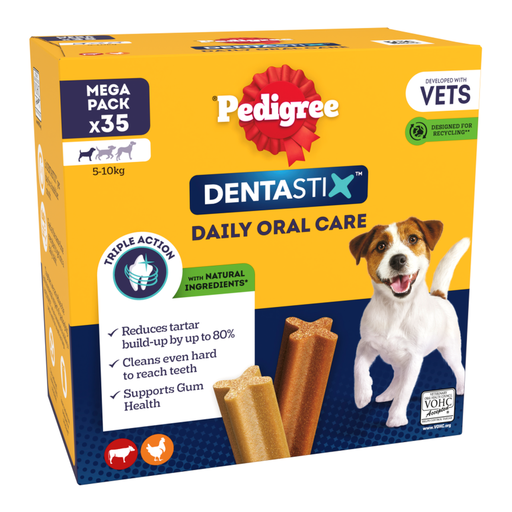
Why This Fits Their Persona: This owner is looking for a reliable and affordable way to incorporate dental care into their dog's daily routine. This bulk pack offers great value and provides a consistent, easy-to-feed solution.
It avoids the "one-size-fits-all" trap by being specifically designed for small dogs. It's positioned as a daily care product, managing expectations away from being a "miracle cure".
The unique X-shape is designed to clean teeth at the gumline. According to the brand, it is clinically proven to reduce tartar build-up by up to 80% when fed daily.

Why This Fits Their Persona: This owner prioritises clean, natural ingredients and avoids grains, gluten and artificial additives. They want a functional treat that aligns with a healthy, sensitive-conscious lifestyle for their pet.
It directly counters the "ignoring ingredients" pitfall. The 100% natural, vegan and grain-free formula with a transparent ingredient list allows owners to know exactly what they are feeding their dog.
Made with functional ingredients like peppermint for fresh breath and activated charcoal for cleaning. It's also low in calories and comes in plastic-free, recyclable packaging.
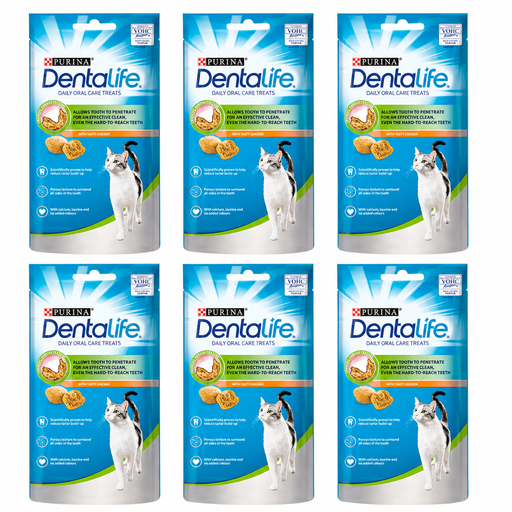
Why This Fits Their Persona: This owner needs convenient and trusted solutions for both their cats and dogs. The Dentalife range offers scientifically designed options for multiple species, simplifying their shopping and pet care routine.
By offering distinct products for cats and dogs (like the Dentalife Small Dog Chew), the brand helps owners avoid the dangerous mistake of giving dog chews to cats or vice-versa.
The porous texture is a key feature across the range, designed to surround the tooth for a more effective clean. The cat treats are also VOHC (Veterinary Oral Health Council) accepted.
We have compiled a complete, real-time list of products that fully satisfy these strict selection criteria and UK safety regulations.
For most products, the recommendation is one chew per day. However, you must always read and follow the feeding guide on the product packaging. Dental chews contain calories, so you may need to adjust your dog's main meal portion slightly to maintain a healthy weight.
No. While they are a very effective tool for helping to manage plaque and tartar between professional cleanings, they do not replace the gold standard of regular toothbrushing. Think of them as a valuable part of a complete oral hygiene programme that should also include brushing and regular vet check-ups.
You should never do this. Chews are designed with a specific density and size for a particular weight range. Giving a large, dense chew to a small dog can pose a serious choking hazard or even risk tooth fractures. Conversely, a small chew given to a large dog will be consumed too quickly to provide any cleaning benefit. Always buy the correct size for your dog.