
24/7 Customer Support

Free returns

Same-day & Next-day Delivery

Quality Guaranteed

Unlock Your Welcome Offers: FREE Delivery | Up to 80% OFF | Free 30-day JoyPlus trial
Download the APP
As a dog owner in the UK, you know that keeping your companion happy and healthy is a top priority. Dental health is a huge part of their overall well-being, yet navigating the world of dog dental chews can feel overwhelming. Shelves are packed with products making bold promises, and it's easy to choose one that's ineffective or, worse, unsuitable for your dog.
My role as a Joybuy Product Recommendation Officer is to help you see past the marketing jargon. Many owners find themselves caught in a few common traps, leading to wasted money and little benefit for their pet's teeth. Let's look at what to avoid.
To make an informed choice, focus on a few core parameters that directly impact safety and effectiveness.
The physical properties of a chew are paramount. The product must be large enough that your dog has to chew it properly rather than swallowing it whole, but not so large or hard that it poses a risk.
Beyond the physical shape, certain ingredients can support oral hygiene.
A puppy's dental needs are very different from an adult dog's.
Based on these practical criteria, here are a few options tailored to different types of dog owners across the UK.
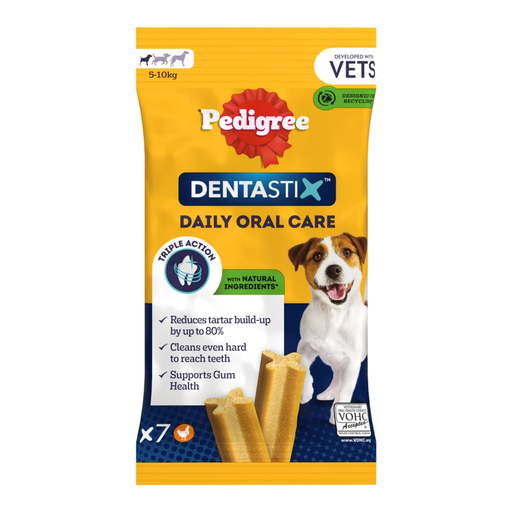
Why This Fits Their Persona: An excellent and affordable starting point for owners of small dogs looking to establish a daily dental care routine. It's a widely available and recognised product, making it easy to incorporate into your regular shop.
This chew is specifically designed for small dogs (5-10kg), directly avoiding the "one-size-fits-all" pitfall and ensuring a safe, effective chew for smaller breeds.
The unique X-shape and abrasive texture are designed for mechanical cleaning. It is also low in fat with no added sugar, making it a healthier daily treat.

Why This Fits Their Persona: Ideal for the health-conscious UK owner who prioritises clean, simple ingredients. This is a great choice for dogs with grain sensitivities or for those who prefer a plant-based diet for their pet.
It cuts through the vague "natural" marketing trap with a fully transparent, 100% natural and vegan ingredient list. It contains no artificial additives, gluten or grain fillers.
The formula includes functional ingredients like peppermint for breath, parsley and activated charcoal to aid cleaning. It is also veterinarian-approved for peace of mind.
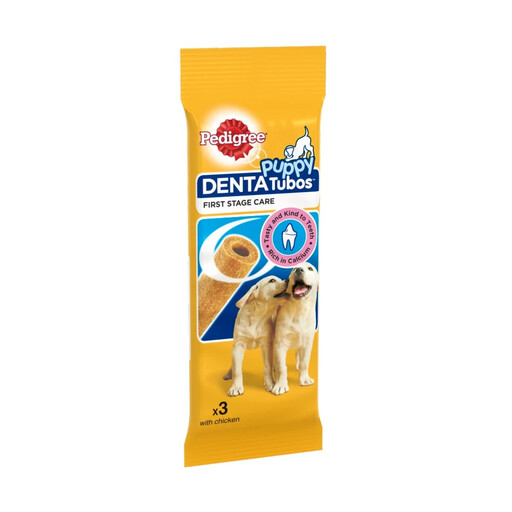
Why This Fits Their Persona: Perfect for those with a new puppy. It introduces the concept of daily dental care early on with a product specifically designed for their unique needs, helping to build good habits for life.
This product is formulated for a specific life stage (puppies 4-12 months), avoiding the trap of giving a young dog a chew that is too hard for their developing teeth and gums.
It has a softer texture that is gentle on a puppy's mouth and is rich in calcium to support the healthy growth of strong bones and teeth.
We have compiled a complete, real-time list of products that fully satisfy these strict selection criteria and UK safety regulations.
Most products on the market are designed to be given as daily dental sticks for dogs. Consistency is key for them to be effective at managing plaque. However, always read the feeding guide on the specific product you choose, as recommendations can vary. Remember to account for the calories in the chew as part of your dog's total daily food intake.
No, they are not a direct replacement. Brushing your dog's teeth remains the most effective method for removing plaque. However, dog teeth cleaning chews are an excellent and practical supplement to a vet recommended dog dental care routine, especially for dogs that are resistant to brushing. The mechanical chewing action provides significant benefits that you wouldn't get from diet alone.
It is crucial to wait until your puppy has their adult teeth, which is typically around 4 to 6 months of age. Giving a hard adult chew to a younger puppy can damage their delicate baby teeth. Always look for specific puppy dental treats, which are formulated to be softer and safer for their developing mouths. Check the packaging for the minimum age and weight requirements before giving any chew to your puppy.