
24/7 Customer Support

Free returns

Same-day & Next-day Delivery

Quality Guaranteed

Unlock Your Welcome Offers: FREE Delivery | Up to 80% OFF | Free 30-day JoyPlus trial
Download the APP
As a dog owner in the UK, you’re likely well aware of the importance of your pet's dental health. A good routine can help manage plaque, tartar and the dreaded dog breath. The market is filled with dog dental chews promising to solve these problems, but not all are created equal. Many owners find themselves spending money on products that are either ineffective or unsuitable for their dog.
Before you add another pack of treats to your basket, let's look at two of the most common pitfalls that lead to wasted money and disappointment:
Navigating these issues is key to finding a product that genuinely contributes to your dog's oral hygiene.
To make a smart choice, it helps to focus on a few core features rather than marketing slogans. Here are the key parameters to check before you buy.
The primary function of dental sticks for dogs is mechanical abrasion. As your dog chews, the surface of the treat scrapes against their teeth, helping to remove plaque and food debris.
The goal is to encourage prolonged chewing that generates friction against the tooth surface, making these features non-negotiable for effective tartar control dog treats.
A truly healthy dog treat should have a clear and understandable ingredient list. Here’s what to look for:
By prioritising texture and ingredients over flashy packaging, you can find a chew that works for your dog and your budget.
To help you find a suitable match, we've aligned some options with common UK dog owner profiles.
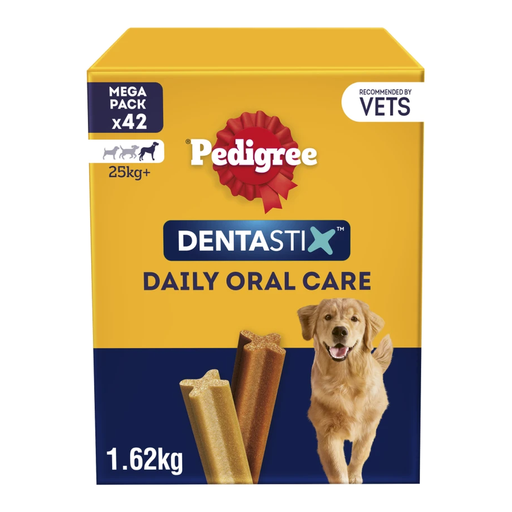
Why This Fits Their Persona: This owner wants a reliable, cost-effective daily chew to make dental care a simple habit. They value consistency and often buy in bulk to ensure they never run out.
It avoids the "healthy illusion" by being specifically formulated as a low-fat treat with no added sugar, designed for daily consumption without contributing to excessive weight gain.
According to the manufacturer, its unique X-shape and abrasive texture are scientifically proven to reduce tartar build-up by up to 80% when fed daily.

Why This Fits Their Persona: This owner needs a durable, satisfying chew to keep their dog occupied and mentally stimulated. Their priority is finding a genuinely long-lasting option that can withstand a determined chewer.
This directly counters the "60-second chew" pitfall. Made from 100% natural rawhide, its tough, knotted construction is specifically designed for durability and extended chewing time.
It satisfies a dog's natural instinct to chew, helping to relieve boredom while the abrasive action of the rawhide supports dental hygiene by scraping away plaque.
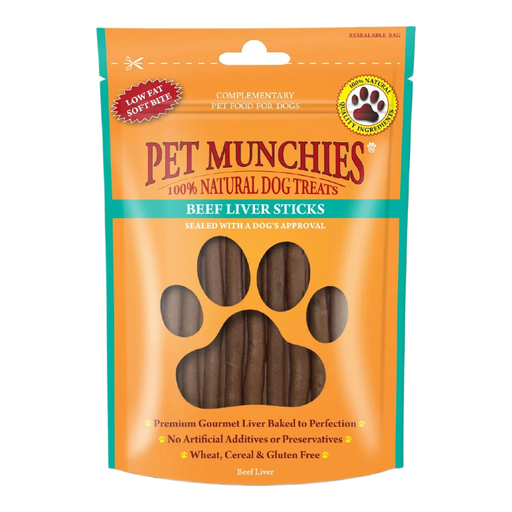
Why This Fits Their Persona: This owner prioritises simple, high-quality ingredients. They actively avoid grains, gluten and artificial additives, often because their dog has sensitivities or they prefer a more natural diet.
It completely avoids the "healthy illusion" trap. The primary ingredient is 100% natural, human-grade beef liver, with no grains, gluten or artificial flavours to hide behind.
These treats are naturally low in fat and high in protein. Their soft texture makes them suitable for dogs of all sizes, including puppies from 4 months old.
We have compiled a complete, real-time list of products that fully satisfy these strict selection criteria and UK safety regulations.
This depends entirely on the specific product. Many dental sticks for dogs are designed for one-a-day use as part of a daily oral care routine. However, richer or harder chews, like rawhide bones, may be recommended only a few times per week. Always read the feeding guide on the packaging and adjust your dog's main meal accordingly to avoid overfeeding.
No. Dental chews are a helpful supplement to a good oral hygiene routine, but they are not a replacement for brushing. Brushing with a dog-specific toothpaste is the most effective way to remove plaque from all tooth surfaces. Chews are excellent for helping to maintain cleanliness between brushes and reaching areas that are hard to clean.
Most dental chews are not suitable for young puppies. The packaging will almost always state a minimum age, which is typically 4 months old, but can be as high as 9 months for certain products. Puppies have delicate developing teeth, and giving them a chew that is too hard or large can pose a risk. Always choose a product specifically labelled as safe for your puppy's age and size.