
24/7 Customer Support

Free returns

Same-day & Next-day Delivery

Quality Guaranteed

Unlock Your Welcome Offers: FREE Delivery | Up to 80% OFF | Free 30-day JoyPlus trial
Download the APP
As a dog owner, there's nothing more concerning than seeing your companion struggle with an upset stomach, itchy skin or low energy. Navigating the world of dog digestive support can feel overwhelming, with countless products all making bold claims. Many well-intentioned owners in the UK find themselves caught in common purchasing traps, spending money on products that don't address the root of the issue.
Before you make a choice, it's important to recognise a few pitfalls. Many owners are led to believe certain buzzwords are a magic bullet for their dog's health, but the reality is often more nuanced.
To make an informed decision, focus on the objective details on the packaging. Here are the key parameters to analyse.
These three components work together to support a healthy digestive system. Getting the balance right is more effective than focusing on one alone.
The term hypoallergenic dog food is not legally defined in the UK, so its meaning can vary wildly between brands. A more practical approach for dogs with suspected sensitivities is a Limited Ingredient Diet (LID).
An LID food typically contains a single, often novel, protein source (like turkey, duck or fish) and a single carbohydrate source. This minimalist approach makes it much easier to identify and eliminate potential trigger ingredients from your dog's diet. Always check the full ingredients list, not just the front-of-pack claims.
A highly active working dog food will have a different nutritional profile from a food designed for a less active dog with a sensitive stomach. Check the "Analytical Constituents" on the packaging:
Based on a clear analysis of ingredients, formulation and suitability for different needs, here are some standout options for UK dog owners.

Why This Fits Their Persona: This is ideal for an owner who suspects their dog has a food intolerance and wants to try an elimination diet. The use of turkey as a single main protein and potato as the carbohydrate source makes it a straightforward choice for identifying sensitivities.
It moves beyond the simple "grain-free" label by offering a true limited ingredient formula. This helps owners pinpoint the actual problem (e.g., a chicken allergy) rather than just removing grains without a clear reason.
Features a high meat content (50% turkey) and is free from artificial colours, flavours or preservatives. It also includes prebiotics (FOS and MOS) to actively support gut flora.
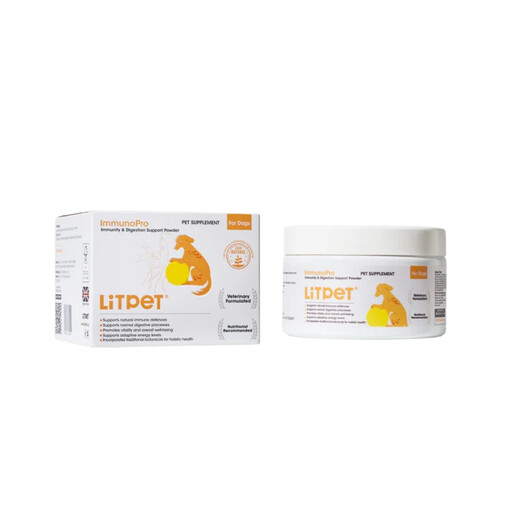
Why This Fits Their Persona: This is for the owner who is happy with their dog's current food but wants to add a specific, high-quality dog digestive supplement. The powder format is easy to mix into any meal, providing a daily boost without a complete diet change.
It avoids the probiotic ambiguity trap by clearly stating its total probiotic count (≥ 1.0×10? CFU/g) and listing the specific strains included. It is also clearly a supplement, avoiding confusion with complete foods.
This supplement offers dual support for both the immune and digestive systems, containing probiotics and natural plant extracts like Astragalus Root. It is free from artificial additives and suitable for both dogs and cats.
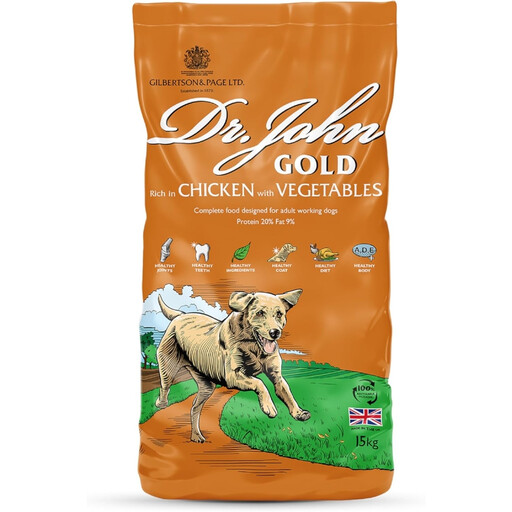
Why This Fits Their Persona: This is a practical, value-for-money choice for owners of active adult or working dogs who need a reliable, energy-dense food. It's a complete recipe, meaning no extra supplementation is needed for a balanced diet.
This is a clearly labelled "complete recipe" for working dogs, avoiding the trap of using complementary foods as a main meal. It focuses on balanced nutrition for energy rather than unsubstantiated hypoallergenic claims.
Provides balanced nutrition with 20% protein and 9% fat for sustained energy. The inclusion of yucca extract aids digestion and joint support, which is beneficial for active dogs.
We have compiled a complete, real-time list of products that fully satisfy these strict selection criteria and UK safety regulations.
The time it takes to see a difference can vary depending on the dog and the specific issue. For general digestive support and improved stool quality, you might notice changes within a few days to a week. For more chronic issues, it's often recommended to use a supplement continuously for 4-6 weeks to allow the gut microbiome to rebalance.
For most commercially available probiotics for dogs, daily administration is recommended to maintain a consistent level of beneficial bacteria in the gut. These supplements are generally considered safe for long-term use. However, always follow the dosage instructions on the product label and consult your vet if your dog is on other medication or has a serious health condition.
Grain-free dog food simply means the recipe does not contain any grains like wheat, corn or barley. Hypoallergenic dog food is a broader term, implying the food is formulated to be less likely to cause an allergic reaction. This often involves using novel protein sources (like duck or venison) and avoiding common allergens, which may or may not include grains. A food can be grain-free but not hypoallergenic if it still contains a common allergen like chicken.