
24/7 Customer Support

Free returns

Same-day & Next-day Delivery

Quality Guaranteed

Unlock Your Welcome Offers: FREE Delivery | Up to 80% OFF | Free 30-day JoyPlus trial
Download the APP
A happy dog is often a busy dog. If you've ever come home to a chewed-up cushion or found your canine companion looking listless and bored, you understand the need for mental stimulation. This is where dog enrichment toys come in. They do more than just keep your dog occupied; they challenge their minds, satisfy their natural instincts and help prevent destructive behaviours.
But with so many options on the market, choosing the right one can feel overwhelming. This guide is designed to cut through the clutter. As the Joybuy Product Recommendation Officer, my role is to help you find practical, effective solutions for your dog's needs. We will explore what to look for in an enrichment toy and highlight a few standout options to help you make an informed choice for your furry friend.
Finding the perfect toy means matching it to your dog's unique personality, age and habits. Here are a few key factors to consider during your search.
Enrichment isn't a one-size-fits-all concept. A high-energy Border Collie will have different needs from a teething puppy. Consider what you want the toy to achieve.
A toy is only fun if it's safe. In the UK, look for toys made from non-toxic, dog-safe materials. The toy's size is also critical; it should be large enough that it cannot be swallowed but small enough for your dog to comfortably carry and manipulate. Always inspect toys regularly for signs of wear and tear, such as cracks or loose parts, and discard any that are damaged to prevent accidental ingestion.
The goal of a puzzle toy is to engage, not frustrate. If a toy is too easy, your dog will solve it in seconds and quickly lose interest. If it's too difficult, they may give up or become anxious. It's often a good idea to start with a simpler toy and observe how your dog interacts with it. As they become more skilled, you can introduce more complex puzzles to keep them challenged.
Based on their design, function and suitability for different needs, here are some of our top recommendations for 2026.
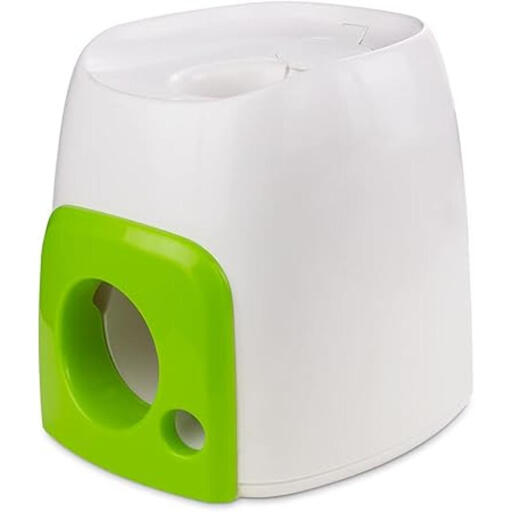
Why It Stands Out: This toy cleverly combines a classic game of fetch with the rewarding challenge of a puzzle. When your dog drops the ball into the top, the toy automatically dispenses a treat. This simple cause-and-effect mechanism is brilliant for teaching independent play and provides both physical and mental exercise.
Pros:
Who is it for? Ideal for food-motivated dogs of any age who enjoy a game of fetch. It's a fantastic option for owners who need to keep their dog entertained while they are busy.
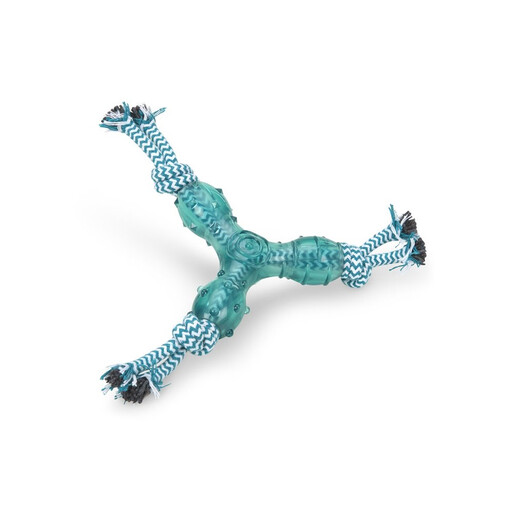
Why It Stands Out: This toy is thoughtfully designed specifically for the needs of a growing puppy. It combines a soft-yet-durable TPR rubber base to soothe sore gums with a textured rope top for varied chewing sensations. The stable tripod shape makes it easy for little paws to hold steady.
Pros:
Who is it for? Perfect for puppies and small-breed dogs that need a safe and satisfying outlet for their teething and chewing instincts.

Why It Stands Out: Built for dogs with serious chewing power, this toy addresses the common problem of toys being destroyed in minutes. Its dual-material construction of cowhide and nylon offers exceptional durability. The natural branch shape taps into a dog's instinct to chew on sticks, making it an appealing and safer alternative. It also functions as a dog dental toy, helping to clean teeth during play.
Pros:
Who is it for? An excellent choice for medium-sized dogs that are powerful or persistent chewers and need a truly durable chew toy.
While these selections cover a range of needs, every dog is an individual. If your dog is a puzzle-solving prodigy or you're looking for different ways to make mealtimes more engaging, there are many other toys to explore.
Looking for more treat-dispensing options? Explore our full collection of dog treat toys to find the perfect puzzle for your clever companion.
Dog enrichment toys serve a crucial purpose beyond simple play. They provide essential mental stimulation that helps prevent boredom, which is a common cause of behavioural issues like destructive chewing, excessive barking and anxiety. These toys encourage natural behaviours such as sniffing, problem-solving and chewing in a safe and controlled way, leading to a calmer and more contented dog.
It's a great idea to incorporate enrichment into your dog's daily routine. You can use dog puzzle toys for one of their meals to slow down their eating and make feeding time more engaging. To maintain interest, it's best to rotate different types of toys. A toy that is always available can lose its novelty, so try offering a different puzzle or chew toy each day to keep things exciting.
While generally safe, supervision is key, especially when introducing a new toy. Ensure you choose a toy that is the appropriate size for your dog's breed and weight to prevent choking hazards. Pay attention to the difficulty level and always check the toy for damage before and after each use. If a toy becomes cracked or pieces break off, it should be discarded immediately.