
24/7 Customer Support

Free returns

Same-day & Next-day Delivery

Quality Guaranteed

Unlock Your Welcome Offers: FREE Delivery | Up to 80% OFF | Free 30-day JoyPlus trial
Download the APP
A good game of fetch can make a park visit, garden session or beach walk more engaging. However, choosing suitable dog fetch toys involves more than picking the brightest ball on the shelf. Size, material, playing surface and your dog’s chewing habits all affect whether a toy is practical and safe to use.
Marketing language can also make comparison difficult. Terms such as “indestructible”, “bite-proof” and “high performance” do not mean a toy will suit every dog. The following guide explains the main buying traps, the specifications worth checking and a selection of options for different UK households.
Rubber, woven fabric and reinforced designs can withstand different levels of play, but no fetch toy is suitable for every chewing style. A ball that lasts well during supervised retrieving may not withstand prolonged chewing from a strong chewer.
Check the product warning and inspect the toy regularly. Cracks, splits, loose fibres, deflation or missing pieces are signs that it should be removed from use.
A small ball may be convenient for a puppy or small breed, but it can present a choking risk for a larger dog. Conversely, an oversized ball may be difficult for a small dog to carry or pick up.
Look beyond breed labels. Consider your dog’s mouth size, ability to carry the toy and whether the ball will be used indoors, in the garden or across open parkland.
High bounce dog balls can encourage chasing, but unpredictable rebounds may not suit a senior dog, a puppy still learning recall or a small indoor space. A launcher can also send a ball further than expected, creating hazards near roads, cyclists, water or other dogs.
Use long-range dog ball launcher products only in open areas and keep the throw controlled. Fetch should remain an interactive activity rather than an opportunity to encourage uncontrolled sprinting.
Natural rubber balls are commonly chosen for fetch because they can offer elasticity and are easy to rinse after outdoor use. Woven or fabric-covered toys can provide a different grip, while PU fabric football designs may be lighter and easier to carry when deflated.
Do not confuse a tough outer layer with chew-toy suitability. Many durable dog balls are designed for throwing and retrieving, not extended chewing. If your dog is a powerful chewer, select a product with clear warnings and supervise every session.
For reference, the Petface mini tennis balls in this range measure 4.8 cm, while the Chuckit! Ultra Ball Large measures 7.3 cm. Interactive football toys are available in approximately 15 cm and 18 cm sizes.
Measure your dog’s existing toys and observe how comfortably they pick them up. A ball should not fit completely inside the mouth, and it should be easy for you to retrieve if your dog drops it.
A launcher can reduce bending and contact with muddy or slobbery balls. The Chuckit! Sport Ball Launcher 18m is designed to launch a compatible ball up to 18 metres, while the compact 14S model measures 36 cm.
Distance is not the only consideration. Look for a comfortable handle, a secure cup and compatibility with the ball size you intend to use. For beach or pool sessions, verify that the ball is suitable for water play and supervise your dog around water.
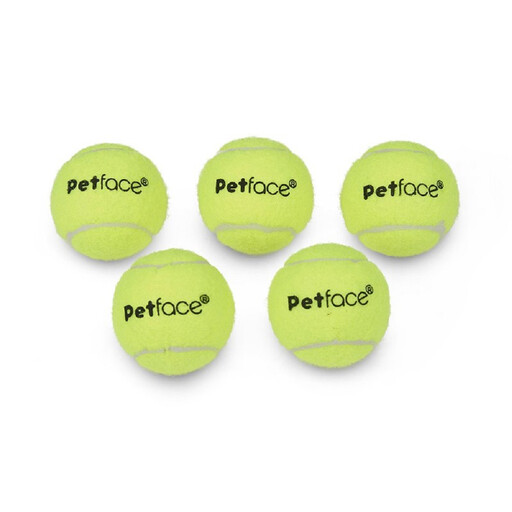
Why This Fits Their Persona: Five 4.8 cm balls provide spares for garden games, training sessions and smaller indoor play areas, particularly for puppies and small dogs.
The stated size helps buyers avoid selecting an unnecessarily large ball, while the pack format provides replacements if one becomes worn.
Five-ball pack; bright colours; rubber core with a lively bounce.
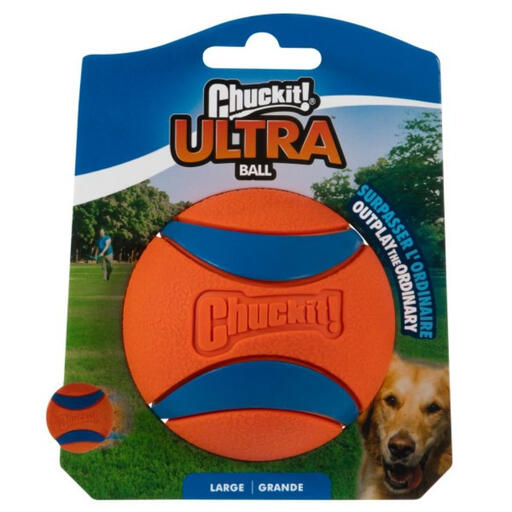
Why This Fits Their Persona: A large, bright ball with high bounce and buoyancy suits owners who regularly visit parks, beaches or open spaces with an active dog.
Its specified 7.3 cm diameter and launcher compatibility make it easier to match the ball to a suitable dog and throwing system.
Extra-thick natural rubber; buoyant construction; smooth surface for cleaning.
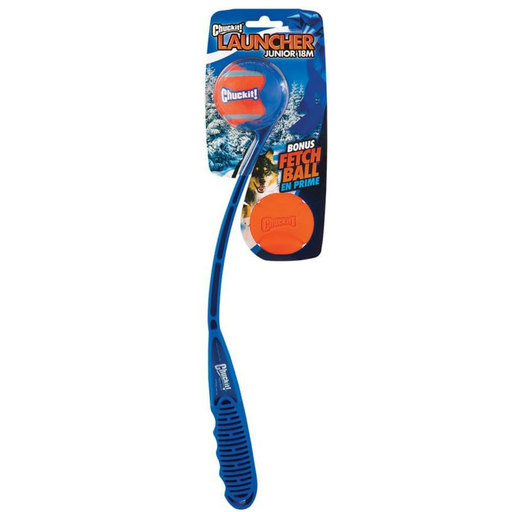
Why This Fits Their Persona: Owners with energetic dogs who use spacious parks, beaches or gardens may appreciate a launcher designed for throws of up to 18 metres.
The stated range sets a realistic expectation, while the hands-free pickup design avoids relying on vague claims about convenience.
18-metre stated launch range; ergonomic rubber handle; includes one floating tennis ball.
We have compiled a complete, real-time list of products that fully satisfy these strict selection criteria and UK safety regulations.
For straightforward retrieving, dog tennis balls and rubber balls are easy to carry and clean. A launcher is useful when you want greater distance or less bending, but it requires a suitable open space.
A dog football toy can be easier to kick and chase, especially for dogs that enjoy varied movement. The 15 cm and 18 cm inflatable football designs can be deflated for storage, but they must not be over-inflated and should be checked for leaks or damage.
For dogs that lose interest quickly, consider other interactive dog toys, such as the All For Paws Fetch N Treat. It combines a ball with treat compartments and does not require batteries. This is a different style of enrichment from outdoor fetch and should still be introduced gradually under supervision.
They can be, provided the size, weight and movement suit the dog. Choose shorter throws and softer-paced play for puppies and older dogs. Avoid slippery surfaces, excessive jumping and prolonged sessions. Always supervise, particularly while a puppy is learning how to carry and release a toy.
There is no universal lifespan. Frequency of use, chewing strength, weather exposure and playing surfaces all affect wear. Rinse outdoor toys when needed, allow them to dry and inspect them before each session. Replace any toy that is cracked, split, deflated or producing loose pieces.
Some launchers are designed for standard tennis balls or compatible launcher balls. Check the product instructions before use. The ball must fit securely in the cup and should not be so small that it creates a choking risk. Use only in safe areas away from roads, hazards and busy paths.