
24/7 Customer Support

Free returns

Same-day & Next-day Delivery

Quality Guaranteed

Unlock Your Welcome Offers: FREE Delivery | Up to 80% OFF | Free 30-day JoyPlus trial
Download the APP
A game of fetch is more than just play; it’s a vital part of your dog’s physical exercise, mental stimulation and the bond you share. Yet, finding the right dog fetch toys can feel like navigating a minefield of marketing claims. Many UK dog owners find themselves with a collection of broken, ignored or even hazardous toys, wondering where they went wrong.
As the Joybuy Product Recommendation Officer, my role is to help you see past the hype. Before you spend another pound, let’s look at the common pitfalls that lead to disappointing purchases.
To make a smart purchase, focus on a few core parameters that determine a toy's performance, safety and longevity.
The material is the single most important factor. Look for toys made from high-quality, non-toxic materials designed for canine use.
Not all fetch toys are created equal. The right choice depends on how you and your dog play.
Instead of a one-size-fits-all approach, we’ve matched some standout options to specific types of dog owners across the UK.
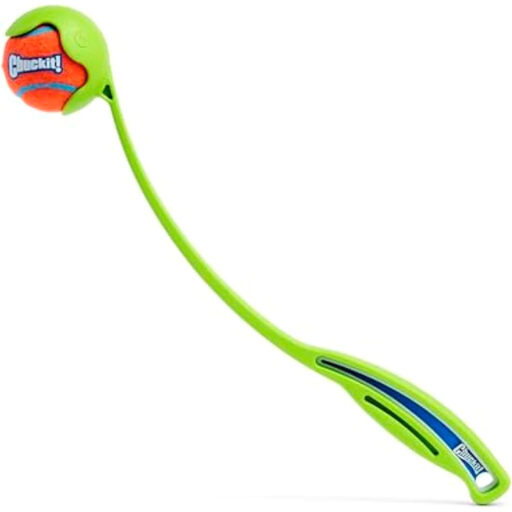
Why This Fits Their Persona: Perfect for owners of high-energy dogs who frequent UK parks. It saves your arm during long fetch sessions and the hands-free pickup is a game-changer for avoiding muddy, slobbery balls.
It sidesteps the "standard tennis ball trap" by encouraging the use of compatible, durable rubber balls (like the Chuckit! Ultra Ball) that are safer for teeth and easier to clean.
Ergonomic rubber handle for comfort and control. Lightweight plastic construction makes it easy to carry on walks.
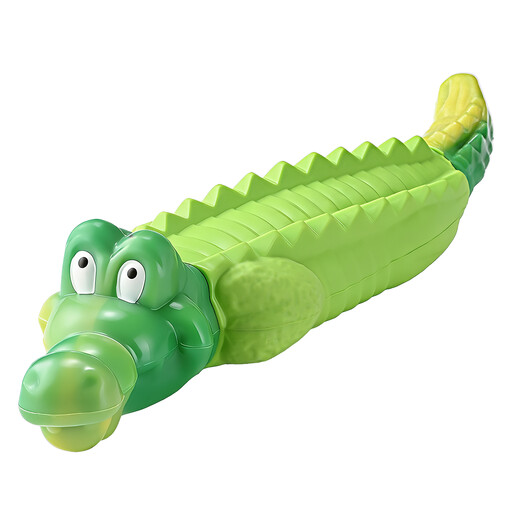
Why This Fits Their Persona: For owners of Staffies, Labradors or other breeds with powerful jaws who need a toy that can stand up to more than a few minutes of supervised play. It's designed for fetch and tug with durability in mind.
It counters the "indestructible" myth with a verifiable design feature: a double-layered construction with a hard nylon core and a natural rubber exterior. This provides resilience without making empty promises.
Specifically sized for medium-to-large dogs. The 3D textured surface makes it easy for dogs to grip during fetch and tug games.
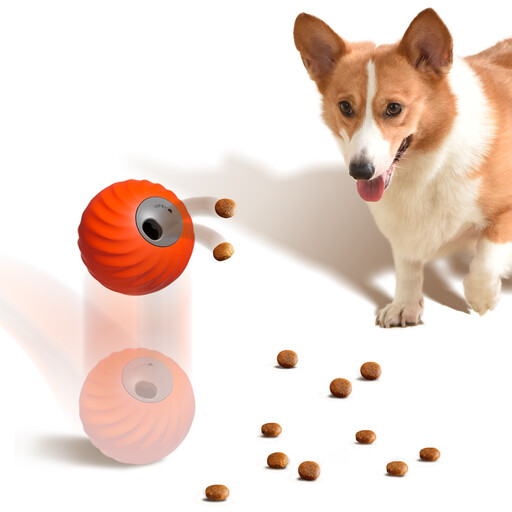
Why This Fits Their Persona: An excellent solution for UK dog owners who work from home or have busy schedules. This toy provides mental stimulation by combining unpredictable movement with a treat-dispensing function, helping to alleviate boredom.
It avoids the "over-complicated smart toy" trap with a straightforward USB-C rechargeable design and two simple play modes. The treat-dispensing feature provides a clear, tangible purpose beyond just random bouncing.
Chew-proof construction for durability. The replaceable plush cover allows for easy cleaning and renewed interest.
We have compiled a complete, real-time list of products that fully satisfy these strict selection criteria and UK safety regulations.
There is no fixed lifespan for a dog toy. You should inspect all your dog's toys weekly, and fetch toys before every use. Look for cracks, deep punctures, loose parts or significant fraying. If a toy is damaged, it should be replaced immediately to prevent your dog from swallowing broken pieces. For outdoor dog toys, check for degradation from sun and weather exposure.
While occasional use is unlikely to cause harm, regular, intensive fetch sessions with standard tennis balls can be problematic. The fuzzy nylon-wool surface is abrasive and, when combined with grit and sand, acts like sandpaper on your dog's teeth. Over years, this can lead to significant dental wear. Opting for balls made from smooth, natural rubber is a safer long-term choice.
This is a critical distinction. Tough chew toys for dogs are designed for prolonged, unsupervised gnawing. They are typically made from very hard materials like nylon or dense rubber. Fetch toys, including launchers, frisbees and most balls, are designed for interactive play with you. They are often not built to withstand constant, powerful chewing and should be put away after your game is over. Always supervise play to ensure your dog is using the toy as intended.