
24/7 Customer Support

Free returns

Same-day & Next-day Delivery

Quality Guaranteed

Unlock Your Welcome Offers: FREE Delivery | Up to 80% OFF | Free 30-day JoyPlus trial
Download the APP
Fleas and ticks can return quickly, even when your dog spends most of its time indoors. Choosing a suitable dog flea and tick treatment involves more than comparing pack sizes or promotional claims. The right choice depends on your dog’s weight, age, active ingredients, application method and the protection period stated on the label.
A small terrier and a young spaniel may need different doses, despite being similar in age. Weight bands are more important than breed names when selecting a flea treatment for dogs. Never split a pipette between pets or use a large-dog product on a smaller dog to save money.
Weigh your dog regularly, particularly if it is still growing. A product for 2–10kg is not interchangeable with one designed for 10–20kg or 20–40kg.
A product that targets adult fleas may not address eggs and larvae in the home. Flea eggs can fall into bedding, carpets and furniture, allowing the infestation to continue after treating the dog.
For households dealing with recurring fleas, look for an ingredient such as (S)-methoprene, which is used in some formulas for flea egg and larvae control. This does not remove the need to wash bedding and vacuum regularly, but it can help address more stages of the flea life cycle when used according to the label.
“Long-lasting” can mean different things. The product information may state separate durations for fleas and ticks, such as up to eight weeks for fleas and up to four weeks for ticks. A dog flea spot-on treatment may therefore require a different reapplication schedule for each pest.
Always check the enclosed leaflet, application instructions, minimum age and restrictions before use. Marketing descriptions should not replace the product label.
The product must match your dog’s current weight. Common UK options include:
Some products are suitable for puppies from eight weeks old, while others have different age restrictions. Do not use a treatment on a puppy below the stated age or weight. If your dog is unwell, pregnant, lactating or taking other medicines, ask your vet before choosing a product.
Fipronil flea treatment products are designed to kill adult fleas and ticks. Some product descriptions state that fipronil kills fleas within 24 hours and ticks within 48 hours. These timings are product-specific and should be checked against the packaging.
Where a formula also contains (S)-methoprene, it may be intended to inhibit the development of flea eggs, larvae and pupae. This is particularly relevant for multi-pet homes or properties where fleas have already spread beyond the dog.
Spot-on products are applied directly to the skin, usually at the base of the neck or between the shoulder blades. The coat should be parted so the solution reaches the skin. Follow the exact instructions and avoid bathing the dog for the period specified by the manufacturer.
A dog flea spray may be intended for the coat, bedding, carpets or other areas, depending on its label. Check whether it is for animal use, environmental use or both. Never apply a household spray to your dog unless the packaging specifically permits it.
Products sold in the UK should have appropriate usage instructions and regulatory information. Look for a UK authorised flea treatment where applicable, and inspect the label for the authorised product details, warnings, manufacturer information and directions.
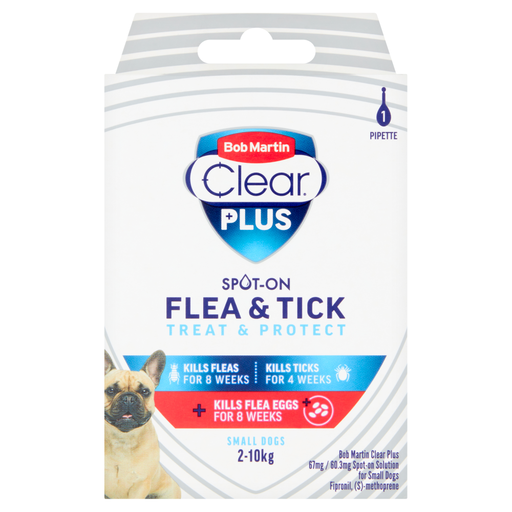
Why This Fits Their Persona: A single-pipette format may suit owners of one small dog weighing 2–10kg who want to start with a clearly weight-banded treatment.
The 2–10kg designation helps prevent selecting a dose based only on breed or appearance. Its label information separates flea and tick protection periods.
Contains fipronil and (S)-methoprene; the listed flea protection is up to eight weeks and tick protection up to four weeks.
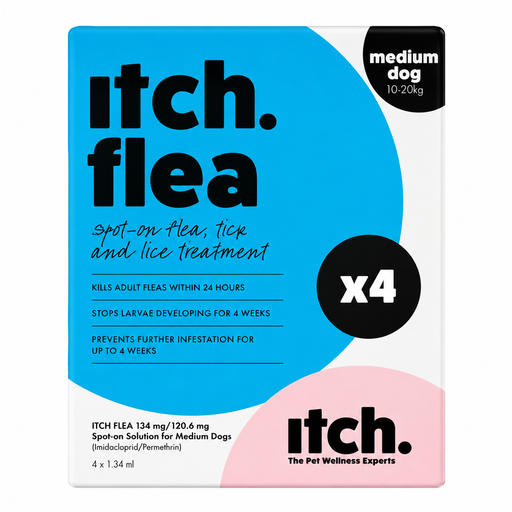
Why This Fits Their Persona: The four-pipette pack can suit an owner of a medium-sized dog seeking a planned supply for repeated applications.
The pack is clearly marked for dogs weighing 10–20kg and lists both active ingredients, making it easier to compare coverage beyond adult fleas.
Uses fipronil and (S)-methoprene; the product information states flea, egg and larvae control alongside tick coverage.
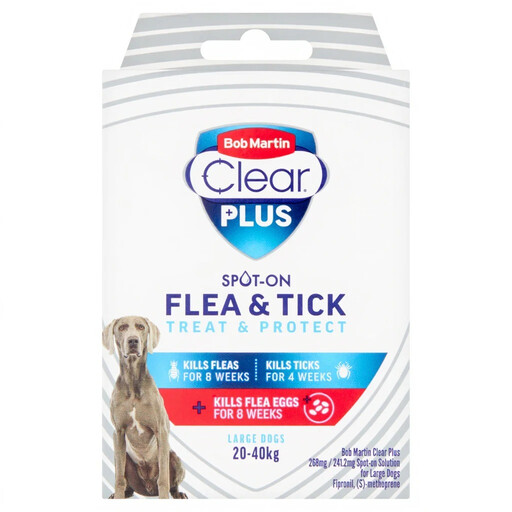
Why This Fits Their Persona: Designed for large dogs weighing 20–40kg, this single-pipette option suits owners who need a clearly defined higher weight band.
The pack specifies 20–40kg and gives the amount of fipronil and (S)-methoprene per pipette, supporting a more transparent comparison.
The listed schedule provides up to eight weeks of flea control and up to four weeks of tick control; the instructions advise avoiding bathing for 48 hours.

Why This Fits Their Persona: A household with pets sharing bedding, carpets and furniture may want an additional environmental product alongside a suitable dog treatment.
Its listed uses include pet bedding, carpets and furniture, helping buyers distinguish environmental control from a spot-on treatment.
Contains permethrin and pyriproxyfen; the product information states up to seven days of protection and includes directions for use around the home.
We have compiled a complete, real-time list of products that fully satisfy these strict selection criteria and UK safety regulations.
Before applying any dog flea and tick treatment:
If fleas continue despite following the instructions, or your dog develops an unusual reaction, stop and contact a vet. A flea product should not be used as a substitute for professional advice about an animal with an existing condition.
The interval varies by product and may differ for fleas and ticks. Some listed spot-on products specify up to eight weeks of flea control and up to four weeks of tick control. Follow the package leaflet rather than applying extra doses.
A spray and a spot-on serve different purposes. A spot-on is generally selected by the dog’s weight and applied to the skin, while a spray may be intended for the coat, bedding or household surfaces. Check the label to confirm the permitted use and never combine products without asking your vet.
Not immediately. Flea eggs and larvae may remain in carpets, bedding and furniture. Regular vacuuming, washing pet bedding and using a suitable environmental product can form part of a broader flea-control routine. Always follow the safety instructions for people, dogs, cats and other animals in the household.