
24/7 Customer Support

Free returns

Same-day & Next-day Delivery

Quality Guaranteed

Unlock Your Welcome Offers: FREE Delivery | Up to 80% OFF | Free 30-day JoyPlus trial
Download the APP
Finding a suitable dog flea and tick treatment should be straightforward, but product pages often make comparison harder than necessary. Weight bands, active ingredients, application intervals and pack sizes can all affect whether a treatment is appropriate for your dog.
A low-priced pack may not be suitable if the dose is wrong for your pet. Similarly, a product that kills adult fleas may not address eggs and larvae in the home. The practical approach is to check the label carefully rather than relying on broad claims such as “complete protection” or “long-lasting care”.
A Chihuahua and a small terrier may fall into the same weight category, while two dogs of the same breed may need different doses. Weight is the key selection factor, not breed, coat length or appearance.
Weigh your dog recently before buying. Do not use a large-dog pipette on a smaller pet or split a pipette unless the product instructions specifically allow it.
Some products focus on adult fleas, but eggs and larvae can remain in bedding, carpets and upholstery. A dual-action flea treatment for dogs may contain an adult flea active ingredient alongside an insect growth regulator, such as (S)-Methoprene, which is intended to interrupt flea development.
This does not remove the need to wash bedding and vacuum regularly. Treating the dog and cleaning the household environment are separate parts of flea and tick prevention.
“Natural”, “gentle” or “suitable for all dogs” does not automatically mean a product is right for every animal. Puppies, dogs with existing health conditions, sensitive skin and breeding, pregnant or lactating dogs may require additional advice.
Always read the current packaging, check the minimum age and weight and speak to your vet before use if your dog is unwell, taking other medicines or has reacted to a flea treatment previously.
A fipronil flea treatment is designed to target adult fleas. The listed Itch products also contain (S)-Methoprene, which is described as helping prevent flea eggs and larvae from developing. The product information states that fipronil kills fleas within 24 hours and ticks within 48 hours; these are product instructions and should not be treated as a guarantee for every individual dog or infestation.
Check whether you need:
Look for a clearly stated weight band, such as 2–10kg, 10–20kg or 20–40kg. Pack quantity also affects how often you need to reorder. A four-pipette pack may provide more scheduled applications than a two-pipette pack, but the treatment interval must always come from the label.
For a puppy, recheck its weight as it grows. The correct small dog flea treatment may change to a medium dog flea treatment or large dog flea treatment over time.
Spot-on products are applied to the skin, usually where the dog cannot easily lick the area. Follow the supplied instructions precisely and avoid the eyes, mouth and broken skin. Wash your hands after application and keep the product away from children.
Do not use flea products intended for dogs on cats unless the label explicitly says they are suitable for both species. For puppies under eight weeks, dogs under the stated minimum weight or animals with health concerns, obtain veterinary advice first.
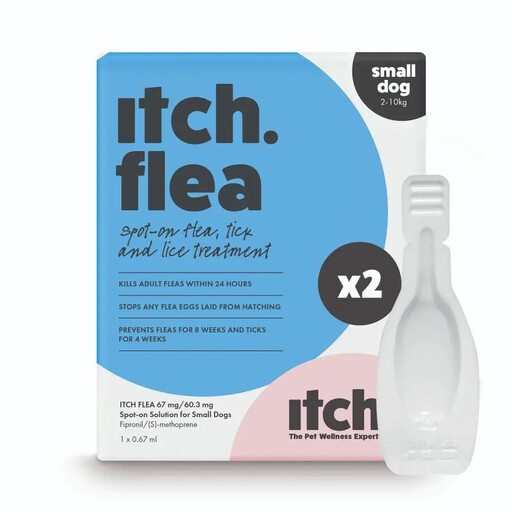
Why This Fits Their Persona: A practical option for owners of smaller dogs who want a weight-specific spot-on format without buying a larger pack than needed.
The 2–10kg range makes the dosing category clear, helping avoid choosing by breed or guesswork.
Contains fipronil and (S)-Methoprene; topical application and two clearly labelled pipettes.
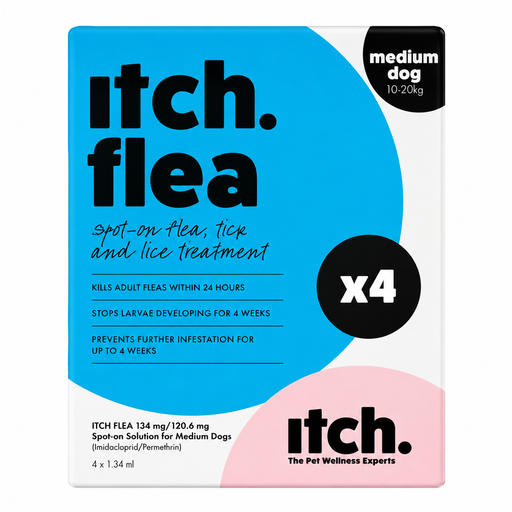
Why This Fits Their Persona: Suitable for owners of medium-sized dogs who prefer to keep scheduled treatments available at home.
The 10–20kg weight band and four-pipette format make it easier to plan regular applications without using an unsuitable dose.
Dual-action ingredients; listed for puppies over eight weeks and dogs weighing at least 2kg, subject to label directions.
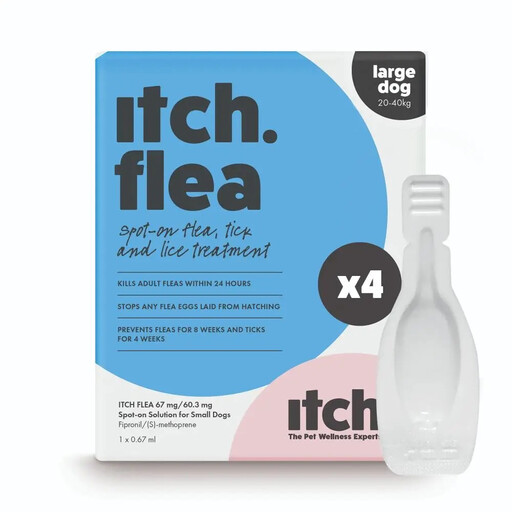
Why This Fits Their Persona: Designed for owners of larger dogs who need the 20–40kg category and several applications available for ongoing care.
Its clearly stated 20–40kg range helps prevent under-dosing or adapting a smaller-dog product.
Four pipettes; contains fipronil and (S)-Methoprene for adult flea and life-cycle coverage as described on the listing.
For complementary care, a dog paw balm can help moisturise dry pads after exposure to cold weather, road salt or hot pavements. The Be:Loved Be:Soft Pet Nose & Paw Moisturising Balm contains beeswax, shea butter, vitamin E, avocado oil and Manuka honey. Apply a small amount to clean, dry paws or the nose and stop using it if irritation occurs.
Itchy skin should not automatically be attributed to fleas. Parasites, environmental sensitivities and other conditions can have similar signs. Products such as allergy chews for dogs should be used only according to their label and persistent scratching, licking, hair loss or sore skin warrants veterinary advice. Do not use human creams, including products containing urea or lauromacrogols, on your dog unless a vet specifically recommends them.
We have compiled a complete, real-time list of products that fully satisfy these strict selection criteria and UK safety regulations.
The interval varies by product. Follow the packaging or supplied instructions rather than assuming all spot-on treatments last the same length of time. Record the application date to avoid missed or repeated doses.
Some products are listed for puppies over eight weeks old and above a stated minimum weight. Check both requirements before buying. Puppies under the minimum age or weight should only receive parasite treatment following veterinary advice.
Itching may continue because fleas or eggs remain in the environment, or because another cause is involved. Wash bedding, vacuum carpets and contact your vet if symptoms persist, worsen or include inflamed skin.