
24/7 Customer Support

Free returns

Same-day & Next-day Delivery

Quality Guaranteed

Unlock Your Welcome Offers: FREE Delivery | Up to 80% OFF | Free 30-day JoyPlus trial
Download the APP
Choosing dog food involves more than picking a flavour your dog enjoys. UK owners must compare life stage, nutritional completeness, portion sizes, storage requirements and ingredient information. A wet meal may look appetising but contain considerable moisture, while a large bag of dry dog food may appear economical yet be unsuitable for a puppy or a less active adult dog.
This guide explains the main buying pitfalls and highlights practical options for puppies, adult dogs, senior dogs, sensitive stomachs and active households.
Terms such as natural dog food, “premium” and “grain-free dog food” describe aspects of a recipe, but they do not automatically confirm that it suits your dog’s life stage or provides a complete daily diet. Always look for the statutory description, such as complete pet food for adult dogs, and check the feeding guidance.
Grain-free food may be useful for owners avoiding particular ingredients, but it is not automatically necessary for every dog. If your dog has recurring digestive problems or suspected allergies, speak to a vet before making a major dietary change.
Wet dog food contains a high proportion of water. For example, Butcher’s Recipes in Jelly lists 82% moisture, while many dry recipes list around 10–15%. A 400g tin therefore cannot be compared directly with 400g of kibble for calories or daily feeding cost.
When comparing wet dog food, dog food tins, dog food pouches and dry food, check:
A product labelled chicken, lamb or salmon may contain other animal ingredients. Read the composition carefully and check the percentages. For instance, a recipe described as “with lamb” may include lamb at a specified minimum level alongside chicken or other ingredients.
This matters particularly when choosing chicken dog food, lamb dog food, salmon dog food or food for a dog with a suspected sensitivity.
Puppy food is formulated for growth, while adult dog food is intended for maintenance. Senior dog food may have different fat, energy and added nutrient considerations. Do not rely only on breed size or marketing imagery; check the stated suitability.
Examples include:
A complete dog food should provide the nutrients required for the stated life stage when fed as directed. A complementary product is intended to be used alongside a complete diet.
This distinction is particularly important with rolls, treats and toppers. Webbox Chub Roll Lamb Flavour is described as a mixer or topper, so it should not replace your dog’s complete main meal. Similarly, check whether smaller packs are intended for regular feeding or occasional use.
The ingredient list shows what goes into the recipe, while analytical constituents provide figures for protein, fat, fibre, ash and moisture. Consider these alongside your dog’s activity level and body condition.
For practical value comparisons, calculate:
Large packs such as 12kg dry dog food can suit multi-dog households or active dogs, but only if the food can be kept sealed in a cool, dry place. Smaller 1kg or 2kg bags may help owners assess acceptance before committing to a larger quantity.
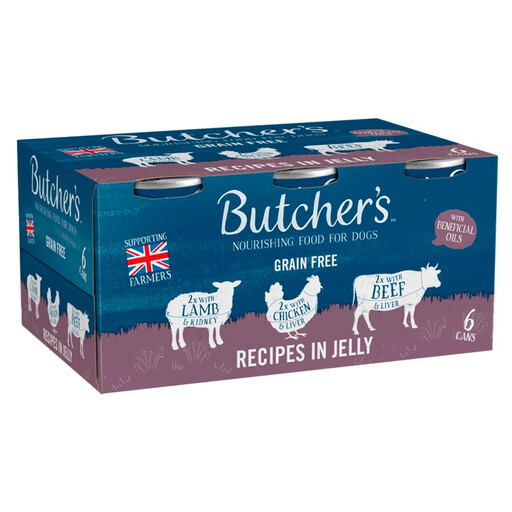
Why This Fits Their Persona: A six-tin multipack gives owners an accessible way to provide wet meals while trying three recipes: chicken and liver, beef and liver and lamb and kidney.
The listing identifies it as complete food for adult dogs and provides analytical constituents, feeding guidance and storage instructions.
Six 400g tins; three stated recipes; 82% moisture and 7.5% crude protein.
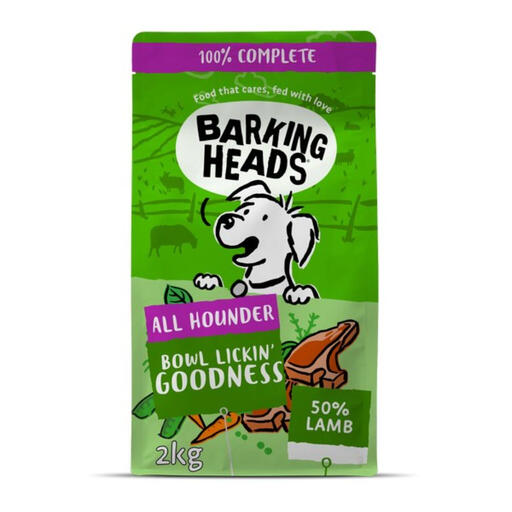
Why This Fits Their Persona: This dry recipe suits adult owners looking for lamb-based food with clearly listed ingredients and a moderate 2kg pack size.
The composition states 50% lamb, including fresh and dried lamb, rather than relying only on a front-of-pack flavour description.
24% crude protein; 12% fat; listed prebiotics, salmon oil and omega-3 and omega-6 sources.
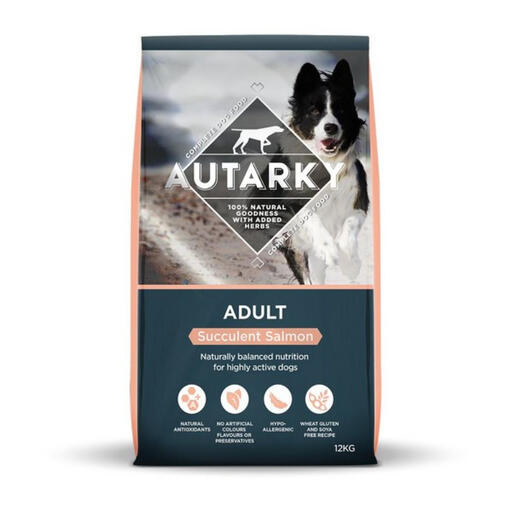
Why This Fits Their Persona: The 12kg bag is practical for active adult dogs, multi-dog homes or owners who prefer fewer replenishment trips.
Its composition identifies salmon at 35% and states that the food is free from wheat gluten and soya, helping shoppers compare specific ingredients.
12kg quantity; 24% crude protein; salmon and linseed provide stated omega fatty acid sources.
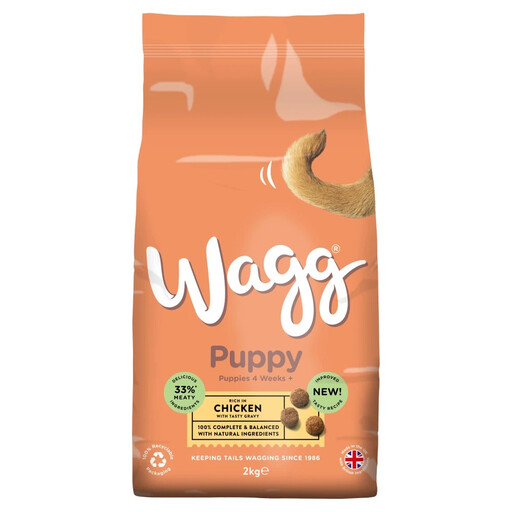
Why This Fits Their Persona: This 2kg puppy food pack offers a manageable starting size for owners establishing a feeding routine from four weeks onwards.
The product is identified as complete food for puppies and includes a gradual introduction instruction, rather than suggesting an abrupt switch.
28% protein; calcium and vitamin D listed; chicory root included as a prebiotic source.
We have compiled a complete, real-time list of products that fully satisfy these strict selection criteria and UK safety regulations.
Introduce a new food gradually over several days to reduce the chance of digestive upset. Follow the pack’s feeding table, then adjust portions according to weight, activity and body condition. Active or working dogs may have different energy needs from less active companions.
For wet food, refrigerate unused portions after opening and follow the stated use-by period. Butcher’s wet food products commonly specify use within 24–48 hours, while Naturo’s listing states up to 72 hours for refrigerated leftovers. Dry food should be sealed and stored in a cool, dry place away from moisture. Fresh drinking water should always be available.
It depends on daily feeding quantities, calorie density, pack price and wastage. Dry dog food is generally easier to store and measure, while wet food can provide more moisture and portion convenience. Compare the cost per daily serving rather than the price per tin or bag.
The lifespan depends on the bag weight and your dog’s daily portion. Divide the pack weight by the daily amount, then store it securely to protect freshness. A 12kg bag may suit larger or active dogs, but a smaller household should check that it can be used within the product’s recommended freshness period.
Many owners mix the two, but reduce the quantity of each so that the combined daily intake remains suitable. Use the manufacturer’s mixed-feeding guidance where available, and monitor your dog’s weight and digestion during the change.