
24/7 Customer Support

Free returns

Same-day & Next-day Delivery

Quality Guaranteed

Unlock Your Welcome Offers: FREE Delivery | Up to 80% OFF | Free 30-day JoyPlus trial
Download the APP
Choosing dog food in the UK can feel more complicated than it should. Shelves and online listings are filled with phrases such as “natural”, “high protein”, “grain-free” and “complete and balanced”, but these terms do not all tell you how suitable a recipe is for your dog.
A sensible choice starts with the label, your dog’s life stage and their daily routine—not eye-catching packaging. This guide explains the main buying traps and highlights practical options for adult dogs, senior dogs, puppies, active dogs and households with specific dietary preferences.
“Natural dog food” may describe the ingredients, but it does not automatically mean the food is suitable as a sole daily diet. Look for the statutory description “complete pet food” for the relevant species and life stage. A complementary food, topper or treat should not replace a complete meal unless it is combined as directed.
Likewise, a recipe labelled “with chicken” or “with lamb” may contain a relatively small declared percentage of that ingredient. Check the composition panel rather than relying on the flavour name.
Grain-free dog food excludes cereals, but it may still contain other ingredients that do not suit an individual dog. Some grain-free recipes use potato, peas or other carbohydrate sources. A hypoallergenic dog food label also needs careful checking, particularly if your dog has previously reacted to a specific protein.
For a diagnosed allergy, food intolerance or ongoing digestive problem, speak with a veterinary professional before changing diets. Avoid treating promotional claims as medical advice.
Bulk dog food and dog food multipacks can reduce the number of shopping trips, but only if your dog already accepts the recipe and the food can be used within its freshness period. A 12kg bag may be practical for a large or multi-dog household, but less suitable for a small dog that eats slowly.
Dry food should be kept sealed in a cool, dry place. Wet dog food should be refrigerated after opening and used within the period stated on the packaging.
Puppy food is formulated for growth, while adult dog food is intended for maintenance. Senior dog food may have a different calorie and fat profile for older, less active dogs. Working dog food is aimed at dogs with higher energy demands, but an ordinary pet dog may gain excess weight if fed too much of it.
Also check whether the recipe is intended for small, medium or large breeds. Kibble size can affect ease of eating, particularly for toy breeds and young puppies.
A complete and balanced dog food should provide the nutrients required for daily feeding when used according to its instructions. Check the packaging for feeding guidance, analytical constituents and nutritional additives.
Wet food often contains a high moisture percentage, so its protein and fat figures may look lower than those of dry dog food. Comparing percentages directly without considering moisture can create a misleading impression. Compare feeding amounts, calories where provided and your dog’s body condition.
Review the protein source, cereals, oils and any declared additives. Chicken dog food, lamb dog food, salmon dog food and turkey dog food can all be useful choices, but the most suitable option depends on your dog’s tolerance and preferences.
For example, Harringtons Adult Rich in Lamb & Rice lists 21% crude protein and 11% fat, while Iams with Fresh Chicken for small and medium adult dogs lists 26% protein and 15% fat. These figures are objective label information, not a guarantee that one recipe suits every dog.
Introduce any new food gradually over about a week where the product guidance recommends it. Sudden changes can lead to digestive upset.
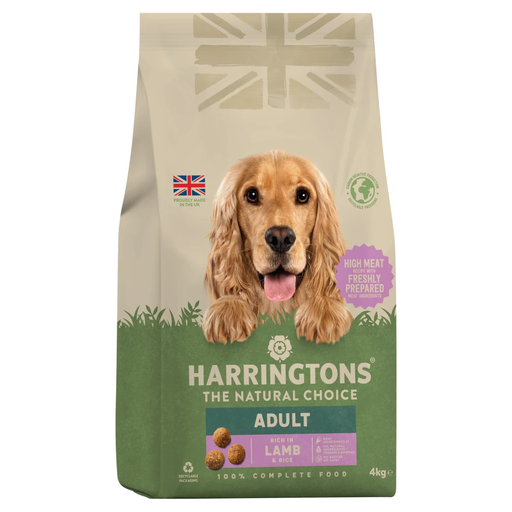
Why This Fits Their Persona: A manageable 4kg pack suits first-time buyers or smaller households that want to assess acceptance before purchasing bulk dog food.
The listing identifies it as complete adult food and provides composition and analytical information, rather than relying only on “natural” wording.
Contains lamb and meat meals, rice, oats, salmon oil, omega fatty acids and prebiotic FOS.
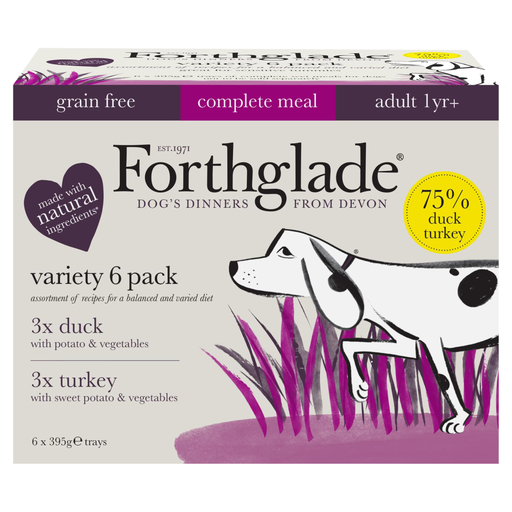
Why This Fits Their Persona: This wet variety pack suits adult dogs whose owners prioritise a grain-free recipe and clearly stated meat content.
It states the adult life stage, grain-free format, complete meal status and 75% duck or turkey composition for the listed recipes.
Wet trays are portion-friendly and the recipes include vegetables, linseed oil, vitamins and minerals.
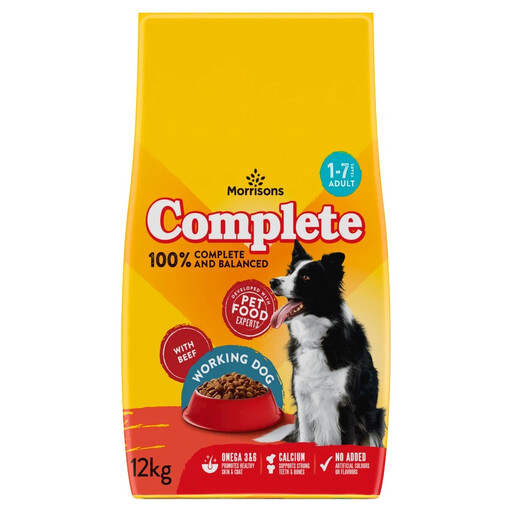
Why This Fits Their Persona: The 12kg format is suited to active working dogs and larger households that use dry food regularly.
It is labelled as complete dry food for working dogs, with feeding guidance based on body weight and activity level.
The recipe lists 21% crude protein, 9% fat, beef, cereals, vitamins and minerals in a large dry-food pack.
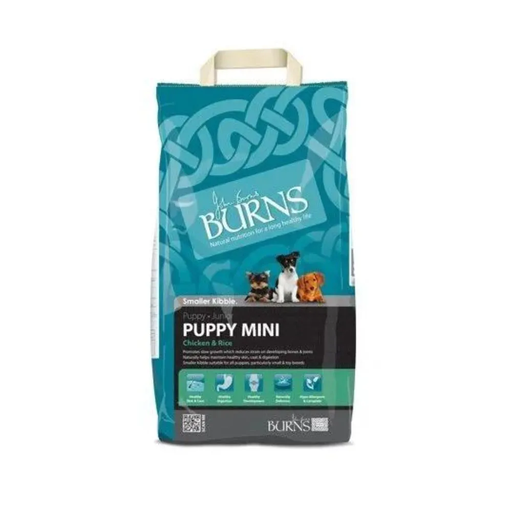
Why This Fits Their Persona: Small and toy breed puppy owners get a purpose-specific puppy food with smaller kibble and a compact pack size.
The product is clearly intended for small and toy breed puppies, avoiding the mistake of feeding adult or large-kibble formulas during growth.
The recipe includes chicken meal, fish meal, rice, oats and stated feeding guidance of around 20g per kilogram of puppy body weight daily.
We have compiled a complete, real-time list of products that fully satisfy these strict selection criteria and UK safety regulations.
Neither format is automatically suitable for every dog. Wet food has a high moisture content and can be convenient for portioning, while dry dog food is easier to store and measure. A complete recipe in either format can form part of a daily diet when fed according to its instructions. Some owners use mixed feeding, but portions should be adjusted rather than adding both full daily allowances.
Start with the feeding guide on the packaging, then adjust according to your dog’s weight, activity and body condition. Guides are starting points, not universal rules. Puppies, senior dogs and working dogs can have different requirements. If your dog’s weight changes unexpectedly or they have a specific dietary condition, consult a veterinary professional.
Dry food should remain sealed and used within the manufacturer’s stated shelf-life guidance. Opened wet dog food generally needs refrigeration and use within one to three days, depending on the product label. If the food smells unusual, looks spoiled or the packaging is damaged, do not feed it.