
24/7 Customer Support

Free returns

Same-day & Next-day Delivery

Quality Guaranteed

Unlock Your Welcome Offers: FREE Delivery | Up to 80% OFF | Free 30-day JoyPlus trial
Download the APP
Choosing dog food in the UK can feel unnecessarily complicated. Wet trays, dry kibble, grain-free recipes, single-protein foods and functional treats all make different promises, but attractive packaging does not tell you whether a product suits your dog’s age, activity level or daily routine.
Three common buying traps are worth avoiding:
For a main diet, look for wording such as “complete pet food” or “complete and balanced dog food”, together with the intended life stage. Adult dog food is not automatically suitable for puppies or senior dogs, and a food designed for weight management should be portioned according to the label.
Check the feeding guide against your dog’s:
Treats are usually complementary rather than complete. For example, MeatyWay Chicken Thin Tenders are described as intermittent or supplemental feeding, so they should not replace a balanced meal.
Dry dog food commonly shows higher percentages of protein and fat because it contains less water. Wet dog food has more moisture, which can make it appealing to dogs that prefer softer textures, but you may need to feed a larger quantity.
Useful label details include:
Do not assume that a higher protein percentage on a wet-food label means more protein than a dry recipe. The moisture levels are different.
A named protein such as chicken dog food, salmon dog food or lamb dog food can make it easier to identify your dog’s preferred flavour. However, read the full composition: some recipes combine several animal ingredients.
If you are considering hypoallergenic dog food because of suspected food sensitivity, check every ingredient carefully and speak with your vet before making a restrictive diet change. “Grain-free” does not mean free from all possible allergens.
Format also matters. Dry food is convenient to measure and store, while wet food can be served as a complete meal or mixed with kibble, depending on the product instructions. Multi-pack dog food can reduce shopping frequency, but only buy larger quantities if your dog will eat the same recipe before it reaches its recommended storage period.
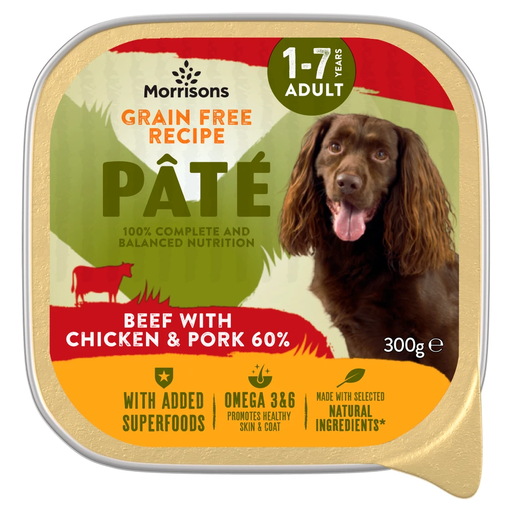
Why This Fits Their Persona: A practical single-tray option for owners who want to try wet adult dog food before committing to a large multi-pack.
The product description identifies it as 100% complete and balanced, rather than presenting it only as a topper or treat.
300g tray format; grain-free recipe; listed beef, chicken and pork ingredients with Omega 3 and 6.
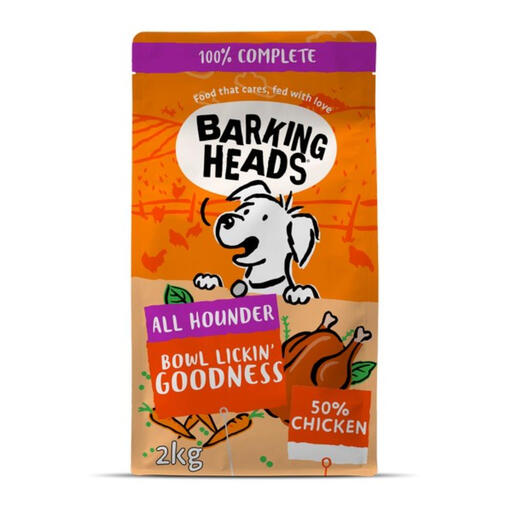
Why This Fits Their Persona: A dry dog food option for owners who value a clearly stated recipe and convenient cupboard storage.
The label supplies analytical constituents, a feeding-guide direction and a defined 2kg quantity, making comparison more transparent.
55% chicken listed; 24% crude protein; added glucosamine, MSM and chondroitin.
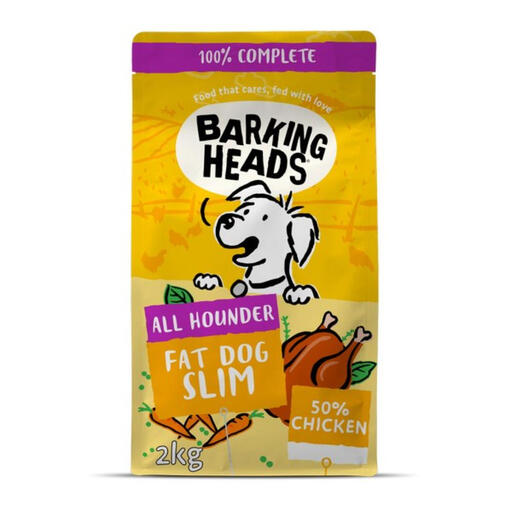
Why This Fits Their Persona: Designed for owners comparing weight management dog food for a less active adult dog or one prone to weight gain.
Its stated reduced-fat recipe and 343 kcal per 100g provide useful information beyond vague “light” wording. Portions still need to follow the pack guide.
24% crude protein; 9.5% crude fat; brown rice, peas, carrot and lucerne provide listed fibre sources.
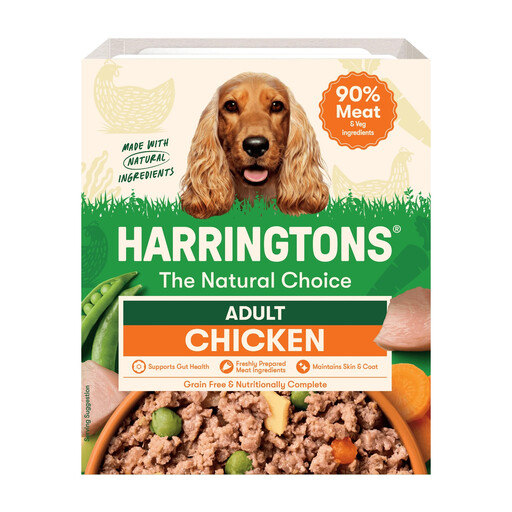
Why This Fits Their Persona: A multi-pack wet dog food choice for owners who prefer soft meals and want regular portions ready for daily feeding.
The product specifies a complete and balanced meal, ingredients and post-opening refrigeration guidance, rather than relying only on sensitivity-focused wording.
Eight 400g trays; grain-free recipe; chicken listed at 70%; unused food should be refrigerated and used within 72 hours.
We have compiled a complete, real-time list of products that fully satisfy these strict selection criteria and UK safety regulations.
Change food gradually over five to seven days, unless your vet advises otherwise. A sudden switch can make it difficult to identify whether a recipe suits your dog. Weigh dry food rather than estimating by eye, and count dog treats as part of the daily intake.
Store dry dog food in a cool, dry place with the packaging sealed. Refrigerate opened wet food and follow the product’s stated timeframe: several products above specify use within 48 or 72 hours. Always provide fresh drinking water.
It depends on the recipe, pack size and your dog’s daily portion. Dry food is often more concentrated, while wet food contains considerably more moisture. Compare cost per daily feeding, not cost per tray or bag alone.
Usually, yes, if both products are suitable as directed and the combined amount is adjusted. Mixing full portions of each can lead to overfeeding. Follow the feeding guidance and introduce the combination gradually.
Look for an appropriate life-stage or weight-management description, then compare fat, fibre, calorie and feeding information. Barking Heads Golden Years Chick, for example, is labelled for senior dogs and lists glucosamine, chondroitin and L-carnitine. For a dog with a diagnosed condition or persistent digestive symptoms, ask your vet before changing the diet.