
24/7 Customer Support

Free returns

Same-day & Next-day Delivery

Quality Guaranteed

Unlock Your Welcome Offers: FREE Delivery | Up to 80% OFF | Free 30-day JoyPlus trial
Download the APP
Choosing dog food in the UK is rarely as simple as picking the most appealing packaging. Life stage, breed size, activity level, ingredients, storage and feeding costs all affect whether a product is suitable. A food that works for an energetic adult dog may not meet a puppy’s needs, while a large wet-food bundle may be inconvenient for a single-dog household.
This guide explains the main buying pitfalls, the specifications worth checking and a selection of dog food options for different households.
Words such as “natural”, “premium”, “holistic” or “superfood” do not replace the statutory product description. Look first for wording such as complete pet food for adult dogs, complete pet food for puppies or complete pet food for senior dogs.
A complete and balanced dog food should be formulated to provide daily nutrition when fed as directed. A product described as complementary food, a topper or a treat is not intended to replace every meal.
Grain-free dog food can suit owners who prefer recipes without cereals, but it is not automatically more nutritious than food containing rice, wheat or other grains. The more practical question is whether the recipe suits your dog’s tolerance, age, activity and veterinary advice.
For dogs with suspected food sensitivities, avoid making repeated diet changes based only on packaging claims. Speak with a vet about a suitable elimination or management plan, particularly if digestive problems persist.
A lower-priced bag may not be cheaper if your dog needs a larger daily portion. Wet dog food also contains considerably more moisture than dry dog food, so compare cost per day, not only cost per kilogram.
Bulk dog food packs can reduce repurchasing and packaging, but check your storage space and use-by guidance. Once opened, many wet recipes require refrigeration and use within two to three days.
Puppy food is formulated for growth, while adult dog food is intended for maintenance. Senior dog food may be labelled for older dogs, such as dogs aged eight years and above. Always confirm the age range on the packaging rather than relying on general assumptions.
Small breeds may benefit from appropriately sized kibble. For example, Bakers Small Dog Sensitive Tummy includes small-sized pieces and is labelled as complete food for adult small breed dogs. Larger or active dogs may need a higher-energy formula and a feeding guide suited to their body weight.
Check that the product is labelled as complete pet food if it will form your dog’s main diet. Then review the analytical constituents, including:
Ingredients should also be read carefully. “Chicken dog food” may contain a stated percentage of chicken alongside other meat and animal derivatives. Likewise, salmon dog food may include salmon as one part of a broader recipe.
Feeding quantities are starting points, not fixed prescriptions. Adjust portions according to weight, body condition, age and activity. Introduce new food gradually over around three to seven days where possible.
Dry food should be resealed and stored in a cool, dry place. Opened wet food should generally be covered, refrigerated and used within the period stated on the label. Fresh drinking water should always be available.
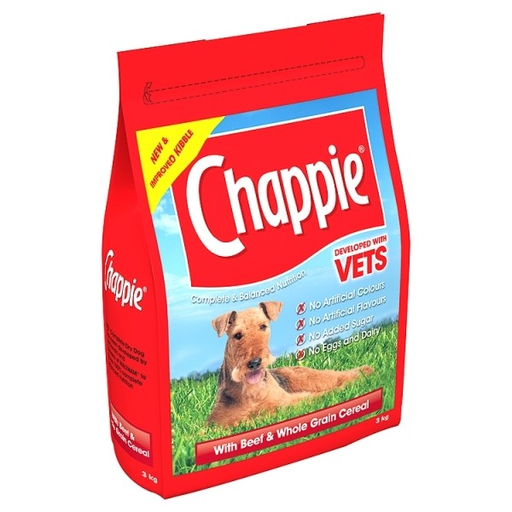
Why This Fits Their Persona: A 3kg dry-food pack offers a practical starting size for owners who want a complete adult dog food without committing to a large bulk bag.
The product is clearly labelled as complete food for adult dogs, with feeding and storage instructions provided.
Dry kibble is convenient to portion and the recipe lists 20% crude protein and 8.2% fat.
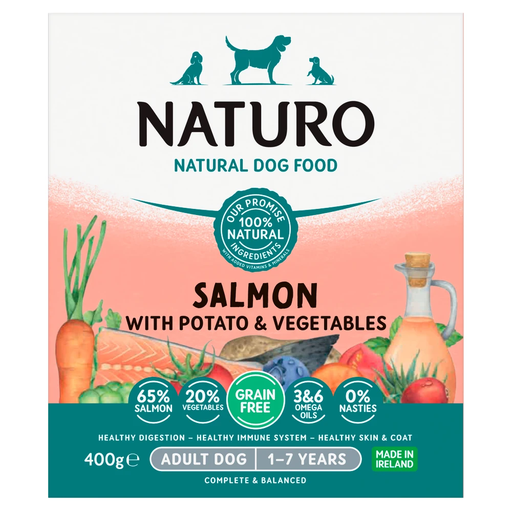
Why This Fits Their Persona: Suitable for adult-dog owners seeking a wet, grain-free recipe with salmon and clearly listed vegetable ingredients.
The product gives the recipe’s stated composition, including 65% salmon and 20% vegetables, rather than relying only on broad “natural” wording.
Wet food provides 72% moisture and the product is labelled complete and balanced for adult dogs.
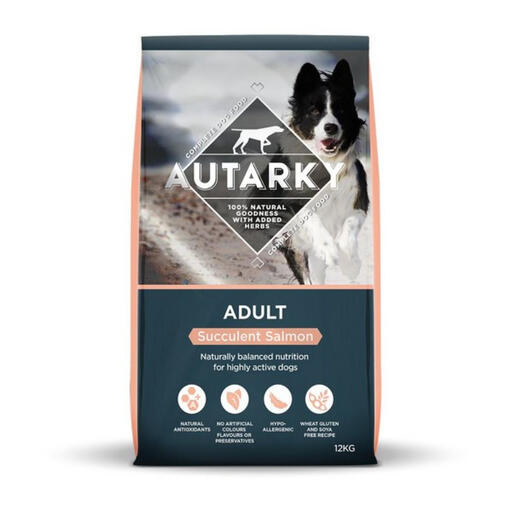
Why This Fits Their Persona: The 12kg pack is suited to active adult dogs, multi-dog homes or owners who prefer fewer supermarket trips.
The stated composition and analytical constituents make it easier to compare a fish-based recipe with other dry dog food.
Contains 35% salmon and lists 24% crude protein and 14% fat per product information.
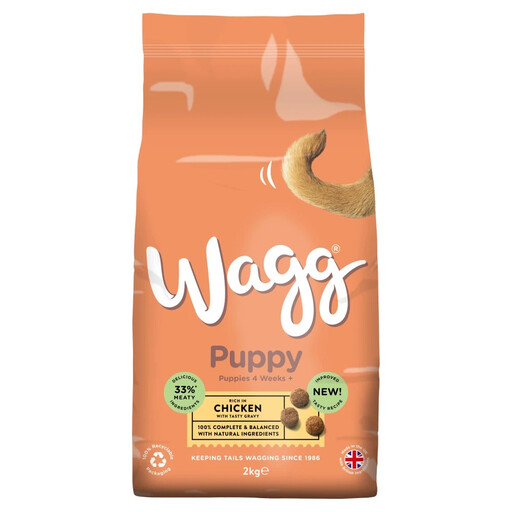
Why This Fits Their Persona: Designed for puppies from four weeks old, with a 2kg format that can be practical during changing growth stages.
Its puppy-specific life-stage labelling helps avoid using adult dog food during early development.
The recipe lists 28% protein, 10% fat, calcium and vitamin D3, with guidance for gradual moistening during weaning.
We have compiled a complete, real-time list of products that fully satisfy these strict selection criteria and UK safety regulations.
Dry dog food is often easier to store and portion, while wet dog food contains more moisture and may suit dogs that prefer softer textures. Compare the feeding quantity and cost per day rather than pack price alone. Mixed feeding can be suitable when portions are adjusted correctly.
Introduce the new recipe gradually over several days, mixing increasing amounts with the current food. Monitor appetite, stools and body condition. If your dog develops ongoing digestive problems or other concerning signs, seek veterinary advice.
Follow the label. Many wet recipes should be refrigerated after opening and used within two days, while some specify 24 or 72 hours. Keep dry food sealed in a cool, dry place and avoid transferring it into an unclean container.