
24/7 Customer Support

Free returns

Same-day & Next-day Delivery

Quality Guaranteed

Unlock Your Welcome Offers: FREE Delivery | Up to 80% OFF | Free 30-day JoyPlus trial
Download the APP
Choosing dog food in the UK is rarely as simple as picking the most attractive packet. Labels can highlight “natural” ingredients, grain-free recipes or added oils while leaving out details that matter more, such as whether the food is complete, how much moisture it contains and whether it suits your dog’s age and size.
This guide from the Joybuy Product Recommendation Officer explains the practical checks that can help you avoid wasted money and choose food or treats that fit your dog’s routine.
“Natural” is a descriptive marketing term, not a guarantee that a product supplies every nutrient your dog needs. Look for the statutory wording “complete pet food” or “complete and balanced dog food” when the product is intended to be a main meal.
Some tins and pouches are complementary food. These can be useful as toppers or occasional meals, but should not replace a complete diet unless the label says otherwise. For example, single-protein products such as chicken breast in broth may be suitable as a topper rather than a daily meal replacement.
Grain-free dog food removes cereals, but it does not automatically identify the ingredient causing a reaction. A recipe may still contain several animal proteins, legumes or other ingredients your dog does not tolerate.
For dogs with suspected allergies or persistent digestive problems, discuss dietary changes with a vet. A product described as hypoallergenic dog food should still be checked ingredient by ingredient, especially if your dog has a known intolerance.
Wet dog food contains substantially more moisture than dry dog food, so serving sizes cannot be compared gram for gram. It may also require refrigeration after opening and use within a specified period.
Dry food is easier to store and measure, but large bags need to be sealed properly in a cool, dry place. Treats also contribute calories. Dog treats, including freeze-dried dog treats, should be portioned rather than offered freely throughout the day.
Puppies, adult dogs and senior dogs have different nutritional requirements. Check the label for the target life stage and whether the product is suitable for your dog’s age.
For older or less active dogs, compare the fat and calorie information where available. Arden Grange Chicken & Rice Senior, for example, is labelled for dogs aged 7+ and provides feeding guidance by body weight. A small breed formula should also have kibble that is manageable for smaller mouths, as seen in James Wellbeloved Adult Small Breed Lamb & Rice.
The ingredients list shows what is included, while the analytical constituents normally state percentages for protein, fat, crude fibre, ash and moisture. These figures help you compare wet and dry food more fairly.
Useful checks include:
For example, Harringtons Wet Dog Classics contains 70% meat and chicken according to the supplied composition and is labelled complete and balanced for dogs of all life stages. Its 16 trays of 400g provide flavour variety, including beef, lamb, salmon and turkey.
A 15kg bag of dry dog food may be economical for a large or multi-dog household, but it can lose freshness if opened for too long. Conversely, small trays and pouches reduce storage time but may cost more per meal.
Wet food such as Forthglade or Naturo can be convenient for portion control. Check the label instructions carefully: Harringtons advises refrigerating opened trays and using them within 72 hours, while Forthglade’s supplied guidance states 48 hours. These instructions should take priority over general storage advice.
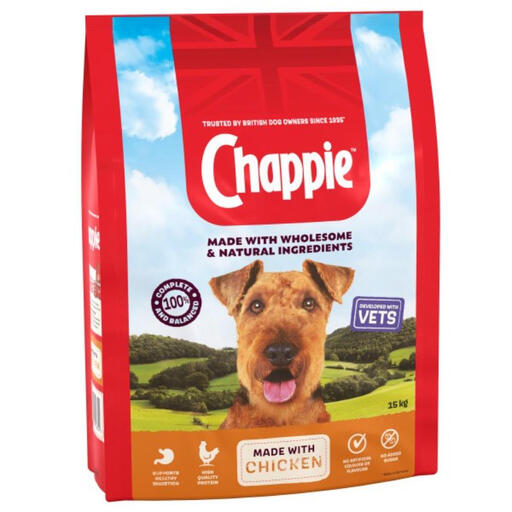
Why This Fits Their Persona: The large 15kg pack suits households that want a straightforward dry food format and fewer repeat purchases.
It is identified as complete pet food for adult dogs, rather than relying only on “natural” wording or flavour claims.
15kg quantity; 20% protein and 8.2% fat listed; wholegrain cereal recipe.
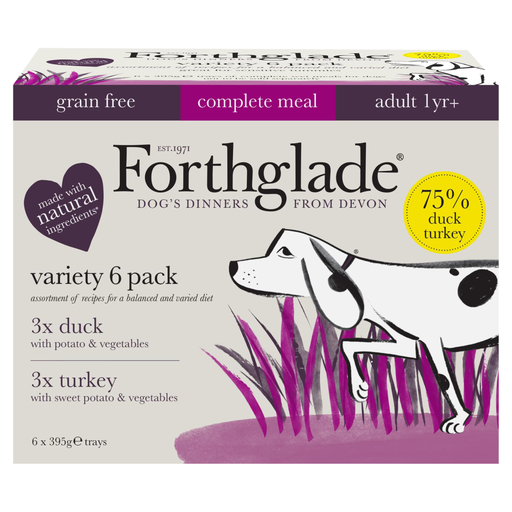
Why This Fits Their Persona: A tray format and duck or turkey variety suit owners who value portion control and ingredient variety for an adult dog.
The pack is clearly described as a complete meal, avoiding the mistake of treating a complementary topper as a sole diet.
75% duck or turkey recipes; grain-free; added vitamins and minerals; made in Devon.
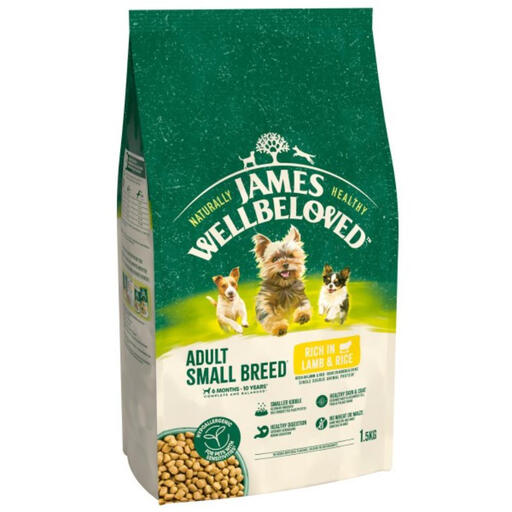
Why This Fits Their Persona: It is designed for adult small breed dogs, with smaller kibble intended for easier chewing.
The product’s intended breed size and ingredient exclusions are stated, so buyers can compare them with their dog’s known sensitivities.
26% dried lamb protein; 24% protein; excludes beef, pork, soya, eggs, dairy and wheat.
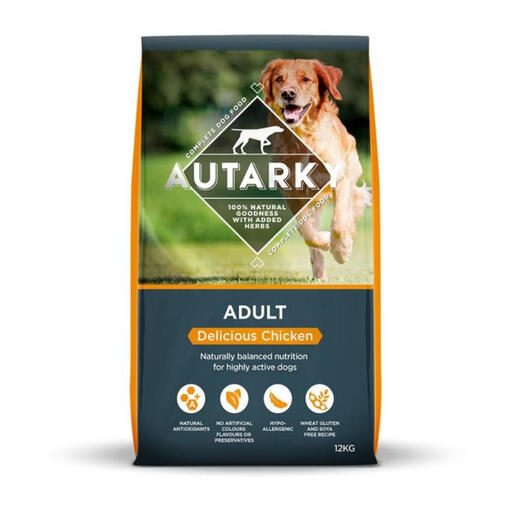
Why This Fits Their Persona: The 12kg format is practical for active adult dogs, larger households or owners who prefer a longer-lasting dry-food supply.
The composition and analytical constituents are provided, including a minimum 26% chicken and 24% protein, rather than relying only on front-of-pack imagery.
Wheat-gluten and soya free; 12kg pack; includes listed prebiotics, taurine and L-carnitine.
We have compiled a complete, real-time list of products that fully satisfy these strict selection criteria and UK safety regulations.
Change food gradually over 3 to 7 days, or follow the longer transition period stated on the product label. Burns Adult Sensitive + Pork and Potato, for example, gives a 10 to 14-day transition guide.
Measure portions according to body weight, age and activity. If your dog is overweight, a vet may advise calculating food based on target weight. Always provide fresh drinking water. Keep treats, including freeze-dried dog treats, within the daily calorie allowance and avoid introducing several new ingredients at once.
Neither format is automatically suitable for every dog. Wet food offers higher moisture and convenient portioning, while dry food is easy to store and measure. The important checks are completeness, ingredients, feeding quantities and suitability for your dog’s life stage.
Follow the label. Opened wet food commonly needs refrigeration and use within two to three days. Dry dog food should be resealed and stored in a cool, dry place. Discard food if its smell, appearance or texture changes.
Yes, but treats should be limited and included in the daily feeding plan. Single-ingredient treats can make ingredients easier to track, but they are not necessarily a complete meal. For dogs with sensitivities, check the protein source and any cross-contamination information before buying.