
24/7 Customer Support

Free returns

Same-day & Next-day Delivery

Quality Guaranteed

Unlock Your Welcome Offers: FREE Delivery | Up to 80% OFF | Free 30-day JoyPlus trial
Download the APP
As a dog owner, navigating the world of dog food can feel overwhelming. Shelves are packed with bags and tins, all promising to be the perfect choice for your companion. But with so much marketing noise, it's easy to fall into common traps that are costly for your wallet and not always ideal for your dog's health. My role is to help you see past the hype and focus on what truly matters when selecting your dog's next meal.
Before you add anything to your basket, be aware of these frequent misunderstandings that can lead to poor choices:
To make an informed decision, focus on these three key parameters. They will help you analyse any dog food and determine if it's the right fit for your pet.
The ingredients are listed by weight, so the first few items make up the bulk of the food. Look for a clearly named protein source, such as "Chicken," "Beef" or "Salmon," rather than vague terms like "meat and animal derivatives." While derivatives are not inherently bad, a named source offers greater transparency. The list will also tell you if the food contains grains, vegetables and any added vitamins or minerals that support overall health.
There is no single "correct" choice here; it depends on your dog's needs, your lifestyle and your budget.
Many owners find a mix of both wet and dry food works well, offering their dog variety in texture and flavour.
A dog's nutritional requirements change throughout its life. A growing puppy has different needs from a less active older dog.
Based on these practical criteria, here are a few options that align with different UK dog owner profiles.
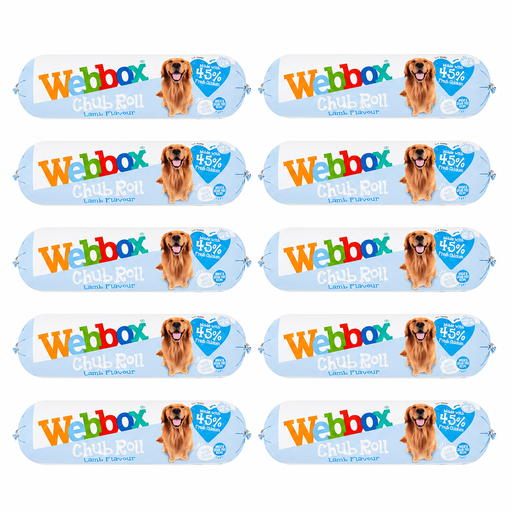
Why This Fits Their Persona: This bulk pack offers a straightforward, affordable solution for feeding adult dogs without compromising on essential nutrition. It's ideal for multi-dog households or anyone looking to stock up and save.
It is clearly formulated as a complete pet food, eliminating the risk of nutritional gaps. Its value-focused recipe provides balanced nutrition without the premium price tag of trend-driven diets.
Excellent value with a 10-roll multipack. The soft, meaty roll can be served alone or mixed with dry food, offering flexibility.
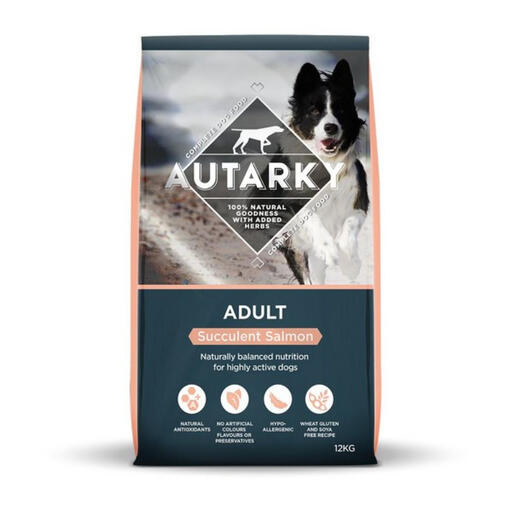
Why This Fits Their Persona: This is for the owner who prioritises high-quality ingredients and may have a dog with a sensitive stomach. The focus on a single protein (salmon) and exclusion of common allergens is a key benefit.
It moves beyond vague "natural" claims by providing a transparent ingredient list with 35% salmon. Its hypoallergenic properties are a core feature, not a marketing afterthought, as it is free from wheat gluten and soya.
Rich in Omega fatty acids from salmon and linseed for skin and coat health. The 12kg bag offers good value for a specialised dry dog food.
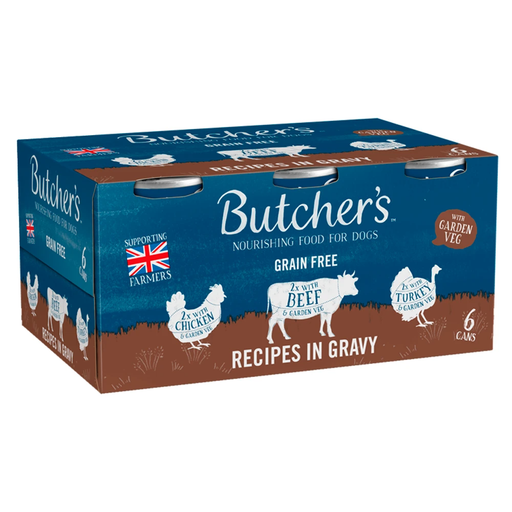
Why This Fits Their Persona: Perfect for owners of picky dogs who turn their noses up at dry kibble. The succulent meat in a rich gravy is highly palatable, encouraging even reluctant eaters to finish their meal.
This is a 100% complete and balanced meal, ensuring fussy eaters get full nutrition. Its grain-free recipe is a functional choice for sensitive digestion, not just a marketing label and it's made with traceable British & Irish farmed meat.
High meat content (up to 50%) in a delicious gravy that dogs love. It's also packed with garden vegetables for fibre and vitamins.
We have compiled a complete, real-time list of products that fully satisfy these strict selection criteria and UK safety regulations.
1. How do I safely switch my dog to a new food? To avoid digestive upset, it's important to transition your dog to a new food gradually over 7-10 days. Start by mixing a small amount of the new food (around 25%) with their old food (75%). Every few days, increase the proportion of the new food and decrease the old until you are feeding 100% of the new diet.
2. Is wet or dry dog food better for my dog's teeth? Generally, the abrasive action of chewing crunchy dry dog food can help scrape away plaque and reduce tartar build-up. However, dental health is complex. Regardless of diet, regular dental care, such as brushing or providing dental chews, is important for maintaining healthy teeth and gums.
3. How much food should I feed my dog? The correct feeding amount depends on the specific food's calorie content, as well as your dog's age, breed, weight and activity level. Always check the feeding guide on the packaging as a starting point. Monitor your dog's body condition—you should be able to feel their ribs but not see them—and adjust the portion size as needed to maintain a healthy weight.