
24/7 Customer Support

Free returns

Same-day & Next-day Delivery

Quality Guaranteed

Unlock Your Welcome Offers: FREE Delivery | Up to 80% OFF | Free 30-day JoyPlus trial
Download the APP
Navigating the aisles of dog food can feel overwhelming. With countless brands all promising vibrant health for your companion, it's easy to fall for marketing hype. As a dog owner in the UK, you want to provide complete and balanced nutrition, but flashy packaging and confusing labels often get in the way. Many owners find themselves spending money on foods that don't meet their dog's specific needs or, worse, are built on misleading claims.
Before you make your next purchase, let's cut through the clutter. Here are two common pitfalls that can lead to a poor choice for your pet and your wallet.
To make an informed decision, you need to become proficient at reading the label. Here are three key areas to focus on that will tell you almost everything you need to know about a particular dog food.
This is the single most important distinction.
Ingredients are listed in descending order by weight. The first three to five ingredients make up the majority of the food. Look for a high-quality, named animal protein source at the top of the list, such as 'Chicken', 'Salmon' or 'Turkey'. This indicates that the food is built around a solid protein foundation rather than cheaper fillers. This is especially important whether you are choosing dry dog food or wet dog food.
A dog's nutritional needs change throughout its life.
Based on these practical criteria, we've identified a few options that align with the needs of different UK dog owners.
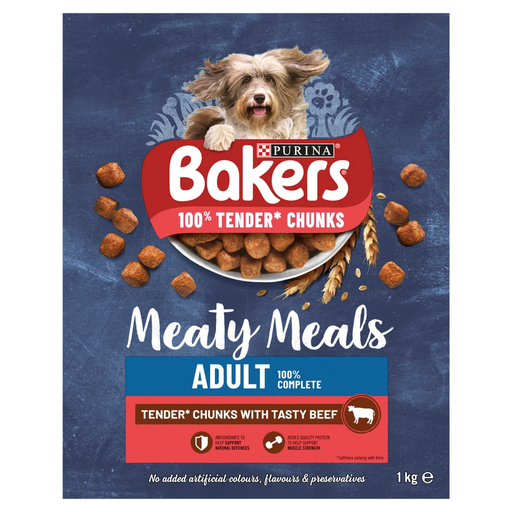
Why This Fits Their Persona: For owners seeking a reliable and affordable daily food from a well-known brand. It provides all the core nutrients for a healthy adult dog without the premium price tag, making it a practical choice for everyday feeding.
This is clearly labelled as a 100% complete and balanced food, ensuring your dog gets all its required daily nutrients. You won't accidentally under-nourish your pet by mistaking it for a main meal.
Provides a complete nutritional profile for adult dogs at an accessible price point. The inclusion of wholegrains offers a good source of fibre and energy.
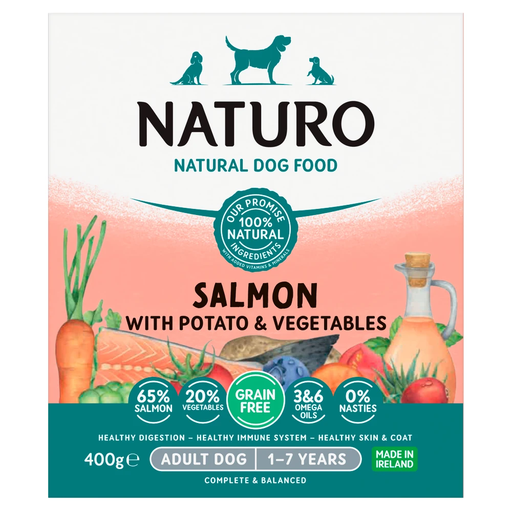
Why This Fits Their Persona: Ideal for owners who prioritise transparent, high-quality ingredients. This wet food is a great choice for those looking for a grain-free option or for dogs with sensitive stomachs, focusing on a single, quality protein source.
It sidesteps the vague ingredient trap with a clear declaration: 65% salmon. This transparency means you know the primary protein source is high-quality fish, not an undefined mix of "derivatives".
High meat content and rich in Omega 3 & 6 oils from salmon and sunflower oil to support healthy skin and a shiny coat. The grain-free formula makes it a suitable dog food for sensitive stomachs.
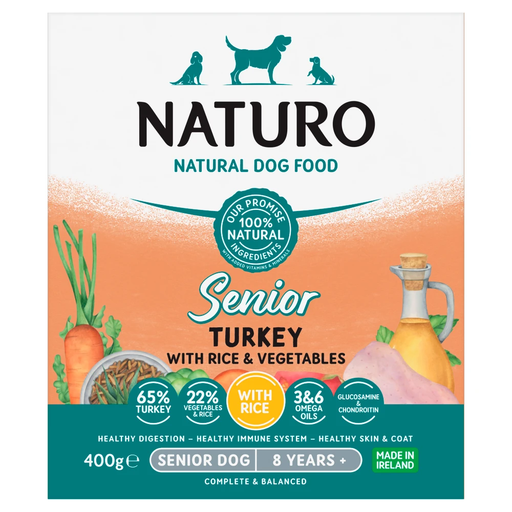
Why This Fits Their Persona: Perfectly suited for owners of dogs aged 8 years and over. This recipe is specifically formulated to address the common health concerns of ageing dogs, such as joint stiffness and changing energy levels.
This isn't just an adult food with "senior" on the label. It contains functional ingredients like Glucosamine and Chondroitin, which are specifically included to support joint health and mobility in older dogs.
Formulated with 65% turkey for easily digestible protein and includes L-Carnitine. The added joint support makes it a thoughtful choice for maintaining comfort and mobility in a senior dog's golden years.
We have compiled a complete, real-time list of products that fully satisfy these strict selection criteria and UK safety regulations.
To avoid digestive upset, you should transition your dog to a new food gradually over 7-10 days. Start by mixing a small amount of the new food (around 25%) with their old food (75%). Every few days, increase the proportion of the new food while decreasing the old, until you are feeding 100% of the new diet.
The primary difference is moisture content. Wet dog food has a much higher water content, which can be beneficial for hydration, and is often more palatable for picky eaters. Dry dog food (kibble) is more convenient to store, generally more cost-effective and the crunchy texture can help with dental hygiene by reducing plaque build-up. Many owners use a combination of both.
Not necessarily. A grain-free diet is essential for dogs with a diagnosed grain allergy or sensitivity. However, for the majority of dogs, high-quality whole grains like rice and oats are excellent sources of nutrients and energy. The quality of the overall formula, particularly the protein source and nutritional balance, is more important than simply being grain-free. If you suspect a food sensitivity, it is always advisable to consult your vet.