
24/7 Customer Support

Free returns

Same-day & Next-day Delivery

Quality Guaranteed

Unlock Your Welcome Offers: FREE Delivery | Up to 80% OFF | Free 30-day JoyPlus trial
Download the APP
Choosing the right dog food can feel like navigating a minefield of marketing claims and confusing ingredients lists. As a dog owner in the UK, you want to provide nutritious meals for your companion without falling for common purchasing pitfalls. Many products promise the world, but not all deliver the quality your dog deserves.
As the Joybuy Product Recommendation Officer, my role is to help you see past the hype. Let's break down the most frequent traps owners fall into and clarify what really matters when selecting your dog's next meal.
grain free dog food has led many to believe that grains are inherently bad for all dogs. While essential for dogs with a specific grain allergy or intolerance, many dogs digest high-quality grains perfectly well. The trap is paying a premium for a grain-free label when the focus should be on the overall quality and digestibility of the ingredients, whether they include grains or not.puppy food is formulated with higher protein and calories for growth, whereas a senior dog food is often lower in calories to prevent weight gain and may contain supplements for joint health. Likewise, a working dog food is packed with energy for highly active dogs. Ignoring your dog's specific life stage and lifestyle can lead to nutritional imbalances.To make an informed choice, focus on these key parameters. They provide a much clearer picture of a food's suitability than marketing slogans alone.
In the UK, ingredients must be listed in descending order by weight. This means the first three to five ingredients make up the majority of the food.
dog food for sensitive stomachs, a single, easily digestible carbohydrate source might be beneficial.The choice between wet dog food and dry dog food (kibble) depends on your dog's health, your lifestyle and your budget.
dog food multipack can offer better value and variety.Many owners find that a mixed-feeding approach, combining both wet and dry food, provides a good balance of benefits.
Instead of a single "best" option, the right food is one that matches your dog's individual profile and your budget. Here are a few recommendations for different types of UK dog owners.
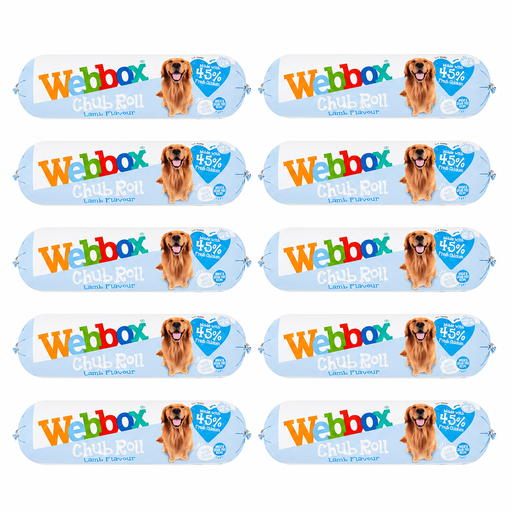
Why This Fits Their Persona: This multipack offers excellent value for money, providing a complete and balanced diet without the premium price tag. It's a practical choice for owners of adult dogs who need a reliable, everyday food that is easy to store and serve.
It avoids the "grain-free" trap by providing a cost-effective, complete meal with grains, which is perfectly suitable for most dogs. It focuses on providing balanced nutrition rather than following expensive trends.
Made with fresh meat and enriched with vitamins and minerals. The large multipack format is ideal for stocking up and multi-dog households.
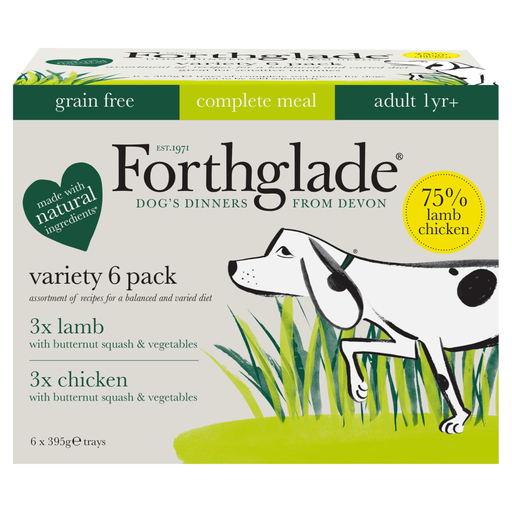
Why This Fits Their Persona: This is for the owner who prioritises natural, high-quality ingredients. It's a grain-free, hypoallergenic wet food that's ideal for dogs with sensitive digestion or for those who want to feed a diet with a very high, specified meat content.
It sidesteps the "vague meat" trap by clearly stating a 75% named meat content (lamb or chicken). The transparency of the ingredients list justifies its premium positioning as a natural dog food.
Gently steamed to retain nutrients. Enriched with glucosamine and chondroitin for joint support, plus botanicals for digestive health. Made in Devon, UK.
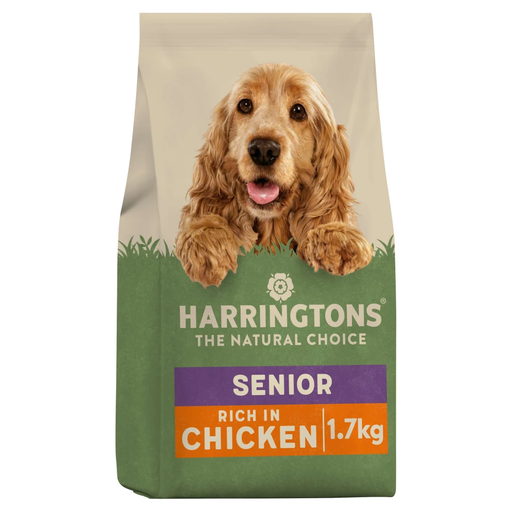
Why This Fits Their Persona: This dry food is specifically designed for the needs of older dogs. It has a balanced calorie level to suit a less active lifestyle and includes key supplements to support ageing joints, making it a thoughtful choice for a beloved older companion.
This directly counters the "one-size-fits-all" trap by providing targeted nutrition. It's a purpose-built senior dog food, not just a standard adult formula with different packaging.
Contains glucosamine and chondroitin to support joint structure and mobility. Also includes salmon oil for Omega 3 fatty acids and seaweed, a natural source of vitamins and minerals.
We have compiled a complete, real-time list of products that fully satisfy these strict selection criteria and UK safety regulations.
The correct portion size depends on the specific food's calorie content, as well as your dog's age, breed, weight and daily activity level. Always start by consulting the feeding guide on the packaging. Monitor your dog's body condition—you should be able to feel their ribs but not see them—and adjust the portion size up or down as needed.
Yes, but it's important to do so gradually to avoid causing an upset stomach. We recommend a transition period of 7-10 days. Start by mixing a small amount of the new food (around 25%) with their old food (75%), and slowly increase the proportion of the new food each day until you have fully switched over.
A hypoallergenic dog food is only necessary if your dog has a diagnosed food allergy or a persistent sensitivity. Common signs include itchy skin, chronic ear infections or digestive upset. If you suspect an allergy, it is always best to consult your vet. For most dogs without these issues, a standard high-quality diet is perfectly sufficient.