
24/7 Customer Support

Free returns

Same-day & Next-day Delivery

Quality Guaranteed

Unlock Your Welcome Offers: FREE Delivery | Up to 80% OFF | Free 30-day JoyPlus trial
Download the APP
As a Joybuy Product Recommendation Officer, my role is to help you navigate the crowded market of pet supplies. When it comes to choosing a dog harness, the sheer number of options can be overwhelming. A good harness makes walks more enjoyable and safer for both you and your pet, but a poor choice can lead to discomfort, frustration and even escape.
This guide cuts through the clutter to focus on what truly matters. We will look at the common pitfalls that lead to wasted money and highlight the key features to check before you buy, ensuring you find a harness that is both secure and comfortable for your companion.
Many harnesses look great on the shelf but fail in practice. Here are three frequent issues UK pet owners encounter:
To avoid these traps, focus on three non-negotiable parameters. Getting these right is the key to a successful purchase.
The single most important factor is the fit. A poorly fitting harness is both unsafe and uncomfortable. Before you shop, use a soft measuring tape to find two key measurements:
When trying a harness, you should be able to fit two fingers snugly between the harness and your dog's body. This ensures it is not too tight to restrict breathing or movement, nor too loose to allow an escape. Look for an adjustable dog harness with multiple points of adjustment (typically around the neck and chest) to achieve a customised fit, which is especially important for a growing puppy harness or a small dog harness.
The materials directly impact your pet's comfort. A quality harness will often feature a breathable mesh harness lining, which allows for air circulation and helps prevent overheating. For pressure points across the chest and back, a padded dog harness provides essential cushioning and prevents rubbing.
Pay close attention to the hardware. Look for:
Different designs serve different purposes. The main types you will encounter are:
Many owners find a dog harness and lead set to be a convenient and cost-effective option, ensuring the hardware and style are perfectly matched. Some smaller, lightweight designs are also suitable as a cat harness for feline friends venturing outdoors.
Based on these practical criteria, we have matched some products to common UK pet owner profiles.
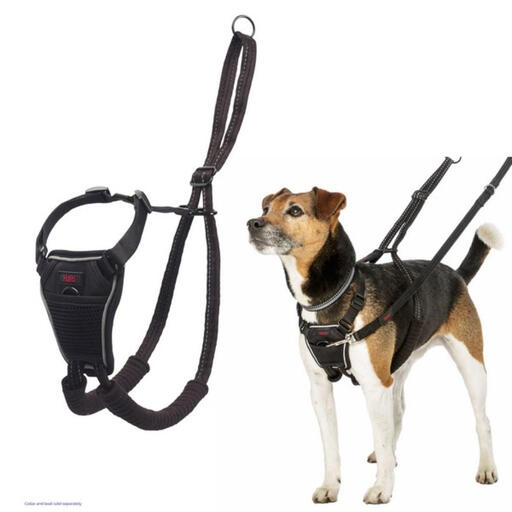
Why This Fits Their Persona: This harness is for those whose daily walks have become a tug-of-war. It is a functional tool designed specifically to manage pulling behaviour in a controlled manner, making walks in busy UK parks and streets more manageable.
It avoids the "painful no-pull" trap by using a gentle “squeeze and lift” action that discourages pulling without causing discomfort, unlike purely restrictive designs.
The combination of a breathable mesh chest panel and padded "Sherpa sleeves" ensures comfort while maintaining control. The design focuses on function over fashion.
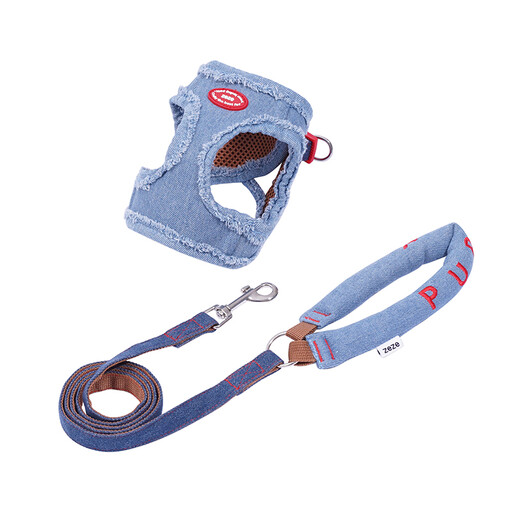
Why This Fits Their Persona: For the owner of a small dog who sees their pet's accessories as an extension of their own style. This set is perfect for cafe trips and city strolls, combining a fashionable denim look with the practicalities of a comfortable harness.
It avoids the "poor material" pitfall by using pre-washed denim for softness and a 3D breathable mesh inner layer, prioritising comfort alongside its stylish appearance.
The wrap-around design provides secure coverage and helps distribute pressure evenly, which is ideal for the delicate frames of small dogs. It comes as a complete set with a matching lead.
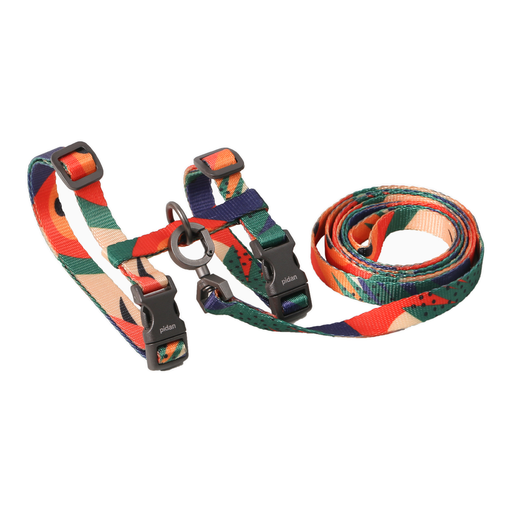
Why This Fits Their Persona: This is for the cat owner who wants to safely introduce their indoor cat to the garden or local park. It is lightweight and specifically designed for a feline's slender frame, prioritising security and comfort for a positive first experience.
It avoids the "one-size-fits-all" trap by being designed specifically for cats, with a slide adjuster for both neck and chest rings to ensure a snug, escape-proof fit on their unique body shape.
The soft polyester webbing is gentle on a cat's coat and the entire set (harness and leash) is extremely lightweight (60g), so it won't feel bulky or restrictive to a cat that is new to wearing one.
We have compiled a complete, real-time list of products that fully satisfy these strict selection criteria and UK safety regulations.
1. How do I know if a dog harness fits correctly? A well-fitted harness should be snug but not tight. Use the "two-finger rule": you should be able to comfortably slide two fingers between the harness and your dog's skin at any point. Check for any signs of chafing or rubbing around the armpits and chest after a walk. The harness should not rotate or shift excessively during movement.
2. Can a dog wear a harness all day? It is generally not recommended for a dog to wear a harness all day. While comfortable for walks, continuous wear can lead to skin irritation, matting of the fur and discomfort. It is best practice to remove the harness once you are back indoors to allow your dog's skin and coat to breathe.
3. Are front-clip harnesses a good way to stop pulling? For many dogs, yes. A front-clip harness works by redirecting their forward momentum. When the dog pulls, the leash gently turns their body back towards you, which disrupts the pulling action. It is a training aid that provides better control without putting pressure on the dog's throat, unlike a collar. It is often more effective when used as part of a consistent training routine.