
24/7 Customer Support

Free returns

Same-day & Next-day Delivery

Quality Guaranteed

Unlock Your Welcome Offers: FREE Delivery | Up to 80% OFF | Free 30-day JoyPlus trial
Download the APP
For UK dog owners, dog poo bags are a small purchase that can quickly become a daily frustration. Bags that split during collection, rolls that do not fit your dispenser and vague environmental wording can all lead to wasted money and unpleasant clean-up.
The right choice depends on more than pack size. Material, bag dimensions, closure design and disposal instructions all affect how practical a product will be on a rainy walk, in the garden or during travel.
The terms degradable dog poo bags and biodegradable dog waste bags are not interchangeable with certified compostable products. “Degradable” may describe a material designed to break down under particular conditions, but it does not necessarily mean the bag will disappear quickly in a home compost heap.
If environmental impact is a priority, look for specific certification and disposal guidance. For example, EN 13432 relates to compostable packaging requirements, while home composting and industrial composting are different processes. Always check whether your local council or composting facility accepts pet waste. Do not place dog waste in compost intended for edible plants unless local guidance specifically permits it.
A large roll count can look economical, but a narrow or short bag may be awkward for owners of larger dogs. Check the stated dimensions where available. A bag measuring approximately 33cm x 22cm or 35cm x 17cm offers a different handling experience from a compact, small-format bag.
A dog poo bag dispenser may accept standard rolls, but internal dimensions and roll width can vary. Before buying dog poo bag refills, check that the roll is compatible with your existing dispenser. A dispenser with a snap clip can also make a noticeable difference when attached to a lead, belt or backpack.
Conventional bags are commonly made from polyethylene, including LDPE or HDPE. Recycled-content bags can reduce the use of new plastic; the Morrisons option listed below contains 30% recycled material.
For compostable dog poo bags, check for recognised standards such as EN 13432 and read the disposal instructions carefully. Some compostable products are intended for industrial composting rather than a domestic compost bin. Compostable does not mean flushable: used bags should not be put down the toilet.
Look for wording that identifies a bag as extra thick, water-resistant or leak-resistant, but treat general marketing language as a prompt to check the specification rather than a guarantee. Larger bags can provide more coverage around your hand, while tie handles make sealing easier.
For dogs with larger or particularly messy waste, prioritise strong dog waste bags with generous dimensions and secure handles. Store unused rolls in a cool, dry place away from direct sunlight and humidity, as storage conditions may affect some materials.
Perforated tear lines support quick one-handed use, especially when walking in poor weather. Built-in tie handles are useful for securing waste and helping contain odours. Scented dog poo bags may make carrying a tied bag more comfortable, although fragrance preferences vary and scented products should not be mistaken for a replacement for hygienic disposal.
A reusable dog poo bag dispenser reduces the need to carry loose rolls. If you already own one, buying compatible dog poo bag refills can be more convenient than replacing the complete dispenser.
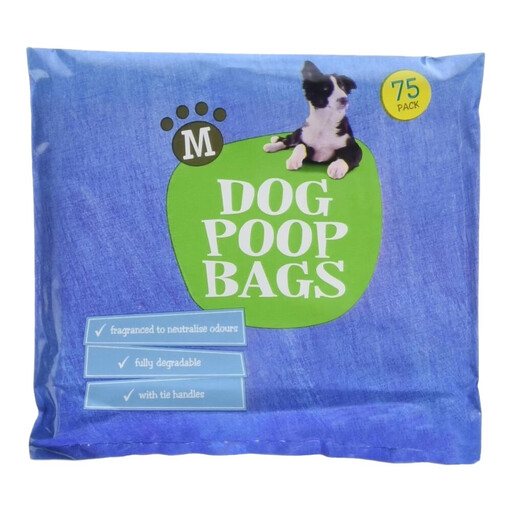
Why This Fits Their Persona: A straightforward everyday option for first-time owners who want recycled content without moving immediately to a specialist compostable product.
The stated 30% recycled material avoids vague sustainability wording, while the tear-off format keeps dispensing simple.
30% recycled plastic; described as strong and leak-resistant for walks, travel and garden use.
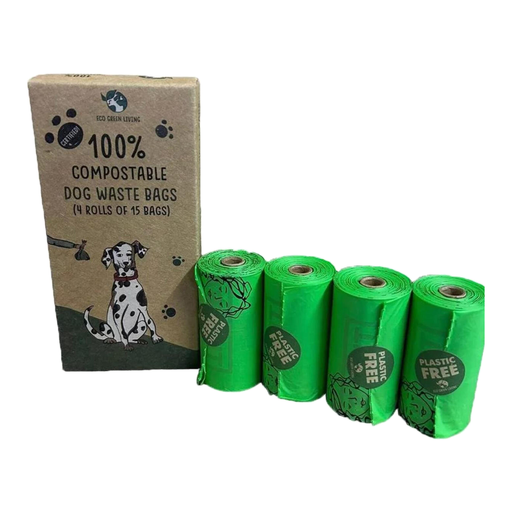
Why This Fits Their Persona: Suitable for environmentally conscious owners who want large, thick bags and documented compostability standards.
It identifies EN 13432 and other listed standards rather than relying only on the word “eco-friendly”.
23cm x 33cm size; water-resistant and leakproof description; 60 bags across four rolls.
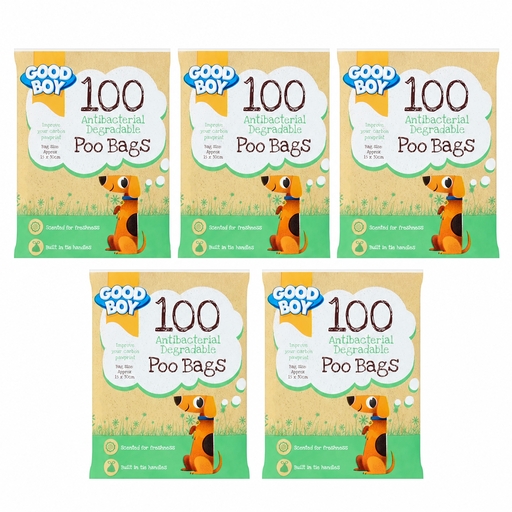
Why This Fits Their Persona: A practical bulk choice for multi-pet households, frequent walkers and owners who prefer scented bags with built-in tie handles.
The listing states the total quantity, approximate dimensions and tie-handle design, making the pack easier to assess before purchase.
500 bags in five packs; approximately 15cm x 30cm; fresh scent and built-in tie handles.
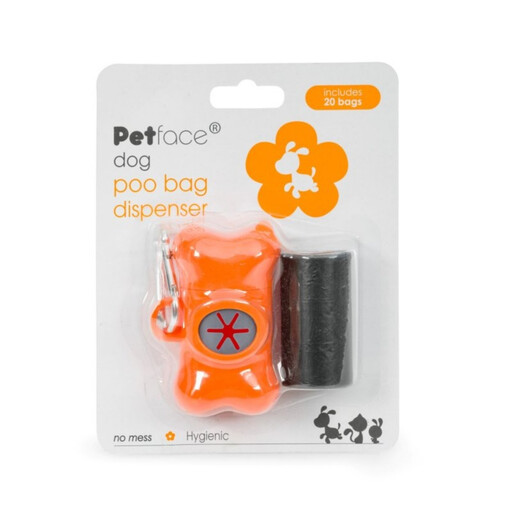
Why This Fits Their Persona: Useful for regular UK walkers who want dog poo bags attached to a lead, belt or backpack rather than carried loose.
The reusable dispenser is supplied with 20 bags, while its snap clip and refill design address portability and ongoing use.
Compact clip-on format; reusable PP dispenser; compatible Petface refill packs are available.
We have compiled a complete, real-time list of products that fully satisfy these strict selection criteria and UK safety regulations.
Not automatically. Check the product’s certification and instructions, then confirm whether your local composting system accepts pet waste. Home compost intended for growing edible plants may not be suitable for dog waste.
This depends on the number of walks, the number of dogs and whether each dog requires more than one bag. Divide the total number of bags by your average daily usage to estimate the lifespan of a pack. Store unused refills in a cool, dry place.
Scented bags can make carrying tied waste more comfortable, particularly on longer walks. However, scent does not replace secure tying, leak resistance or correct disposal. Owners sensitive to fragrance may prefer unscented compostable options.