
24/7 Customer Support

Free returns

Same-day & Next-day Delivery

Quality Guaranteed

Unlock Your Welcome Offers: FREE Delivery | Up to 80% OFF | Free 30-day JoyPlus trial
Download the APP
As a dog owner, you know that dog poo bags are a non-negotiable part of daily life. Yet, choosing the right ones can feel surprisingly complicated. The market is flooded with claims about sustainability and strength, but not all bags live up to the promises on the packaging. This can lead to frustrating messes, wasted money and unintended environmental impact.
Before you stock up, it's worth understanding the common purchasing traps. Many owners find themselves with bags that are flimsy and tear at the worst possible moment, or they invest in "eco-friendly" options that aren't as green as they seem. The most frequent pitfalls include:
To make an informed choice, it helps to understand the materials and terminology. The environmental credentials of dog waste bags depend entirely on what they are made from and how they break down.
Once you've decided on the material, consider the practical features that ensure a bag is fit for purpose.
To help you find a reliable option, we've matched some products to common owner priorities.

Why This Fits Their Persona: This user prioritises genuine sustainability. They want a product that avoids plastic and breaks down into organic matter, reducing their environmental "pawprint".
It directly counters the "degradable" trap by being made from 100% plant-based cornstarch. It is certified compostable to the EN13432 standard, ensuring it biodegrades fully under the right conditions, rather than just fragmenting.
Completely plastic-free material. The 17μm thickness provides good strength and the packaging itself is made from recycled card with water-based inks.
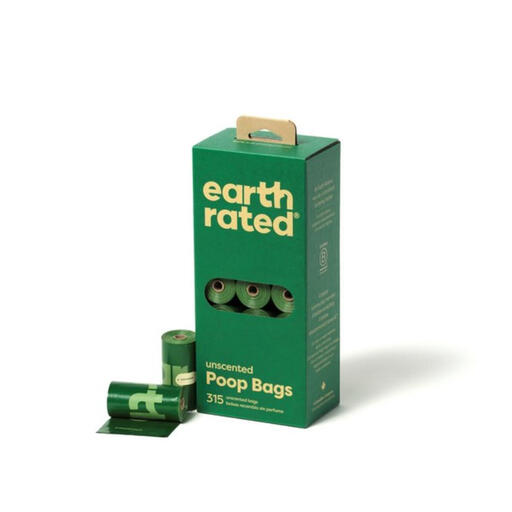
Why This Fits Their Persona: This owner needs a large supply of reliable bags that won't let them down. They value strength, a good price-per-bag and want to avoid the frustration of flimsy materials.
It avoids the "false economy" trap by offering a large quantity without compromising on quality. These bags are known for being extra long and strong, with a 100% leak-proof guarantee, ensuring they are dependable for daily use.
Made from 65% certified post-consumer recycled plastic, offering a better environmental footprint than virgin plastic. The large 13" x 9" size provides ample coverage.
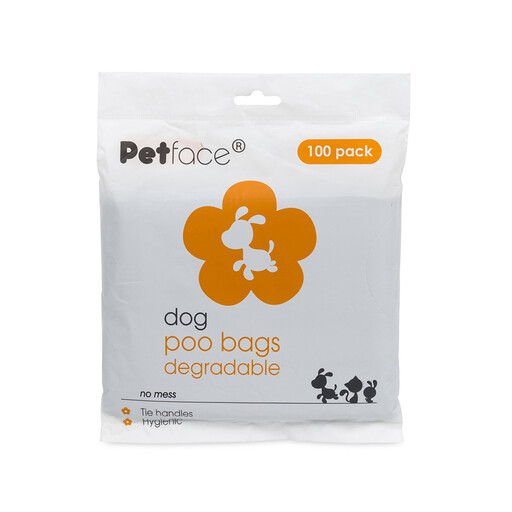
Why This Fits Their Persona: This user values features that make the clean-up process as quick and clean as possible. They are often on the go and appreciate thoughtful design that simplifies the task.
It avoids the "poor design" trap by focusing on a key convenience feature. The integrated easy-tie handles make it simple to secure the bag quickly and hygienically, which is a significant improvement over standard flat-top bags.
The primary benefit is the easy-tie handles for fast, secure sealing and odour containment. The large 600-bag pack also offers excellent long-term value.
We have compiled a complete, real-time list of products that fully satisfy these strict selection criteria and UK safety regulations.
This depends on the bag and your compost system. Only bags explicitly certified as "home compostable" should be considered. Even then, it is widely advised not to use the resulting compost on edible plants, as home composting systems may not reach high enough temperatures to kill all harmful pathogens found in dog waste. Always check your local council's guidelines.
The key difference is how they break down. Compostable bags are made from organic materials (like cornstarch) and decompose into natural, non-toxic components. Degradable bags are typically plastic-based and designed to break apart into smaller plastic pieces (microplastics), which remain in the environment. For a truly eco-friendly option, compostable is the clearer choice.
On average, a dog may need to be cleaned up after 2-3 times per day. This works out to approximately 730 to 1,100 bags per year for one dog. Buying in larger quantities, such as packs of 300 or more, can be more economical and ensures you are always prepared.