
24/7 Customer Support

Free returns

Same-day & Next-day Delivery

Quality Guaranteed

Unlock Your Welcome Offers: FREE Delivery | Up to 80% OFF | Free 30-day JoyPlus trial
Download the APP
Choosing dog supplements can feel straightforward until you compare long ingredient lists, different formats and broad promises about immunity, digestion or mobility. A product that suits an older Labrador may be unnecessary for a healthy young terrier, while a chew that looks convenient may contain ingredients your dog cannot tolerate.
The sensible approach is to match the supplement to a specific need, check the active ingredients and avoid adding several overlapping products at once.
More ingredients do not automatically mean better value. A multivitamin for dogs may contain a wide range of nutrients, but your dog may already receive sufficient vitamins from a complete commercial diet. Extra supplementation can also make it harder to identify which ingredient is helping or causing a reaction.
Look for a clear label showing:
Dog supplements can provide nutritional support, but they should not be used to diagnose or treat illness. Persistent limping, repeated diarrhoea, breathing changes, skin lesions or sudden behaviour changes require veterinary advice rather than a new chew or syrup.
This is particularly important with dog heart health supplements, dog calming supplements and products aimed at allergy-prone pets. Speak to your vet before use if your dog takes medication, is pregnant, is nursing or has a diagnosed condition.
A low-priced tub may not be economical if a large dog needs several tablets each day. Equally, a powder may offer good serving flexibility but be refused by a fussy eater. Consider the number of daily servings, pack size and whether your dog will accept the format mixed into food.
For dog joint supplements, commonly listed ingredients include glucosamine, chondroitin, MSM, green-lipped mussel, hyaluronic acid and vitamin C. Check the amount per serving rather than relying on phrases such as “advanced” or “extra strength”. Some hip and joint chews for dogs combine several of these nutrients in a palatable format.
For dog probiotics and digestive supplements for dogs, check the named bacterial strains and the stated CFU count. Prebiotics such as FOS, MOS or scFOS are also used in some formulas. A clear serving recommendation is more useful than an unexplained “gut blend”.
Products marketed for dog immune support may contain vitamins, minerals, oils, plant extracts or probiotics. Compare the ingredient list with your dog’s existing diet to reduce unnecessary duplication.
Salmon, chicken, pork, shellfish, soy and dairy-derived ingredients can appear in supplements. If your dog has a known sensitivity, read the full composition rather than relying on the front label. Also check whether the product is for dogs only or for dogs and cats, and whether it is suitable for puppies.
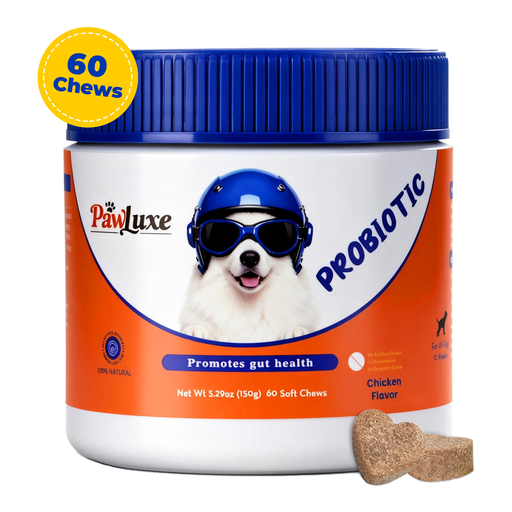
Why This Fits Their Persona: A soft-chew format suits owners starting a simple digestive-support routine without measuring powder or liquid.
The label specifies three probiotic strains, 3.75 billion CFU per two soft chews, plus FOS and GOS, rather than only referring to an unnamed blend.
Chicken flavour; includes Bacillus coagulans, Bacillus clausii and Bacillus subtilis in a ready-to-feed chew.
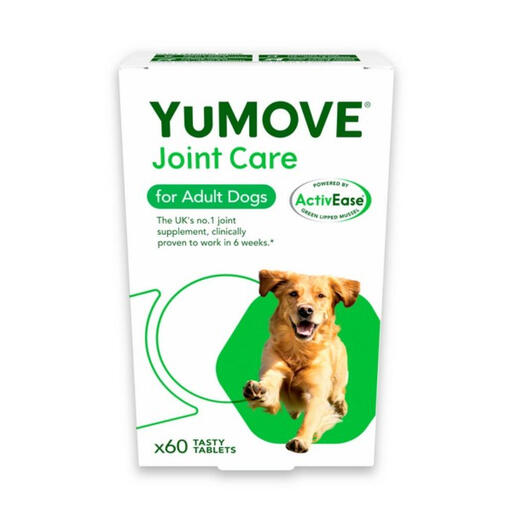
Why This Fits Their Persona: Suitable for adult dogs from four years old, this tablet format is designed for owners seeking a clearly itemised joint-support formula.
The product lists amounts per tablet, including 250 mg glucosamine, 150 mg green-lipped mussel powder and 1.5 mg hyaluronic acid.
Contains glucosamine, manganese, vitamins C and E, omega-3s and hyaluronic acid; dosing is weight-based from one to four tablets daily.
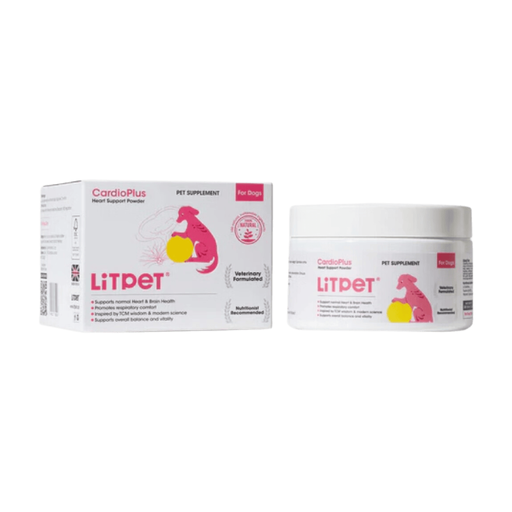
Why This Fits Their Persona: The measured powder can suit owners supporting a senior dog’s nutritional routine under veterinary guidance, especially where mixing into food is easier than giving tablets.
The label provides gram-based dosing by weight and specifically advises veterinary consultation for dogs with heart disease or medication use.
Lists Coenzyme Q10, taurine, L-carnitine, vitamin B complex and vitamin E; the 200 g powder mixes with food or water below 40°C.
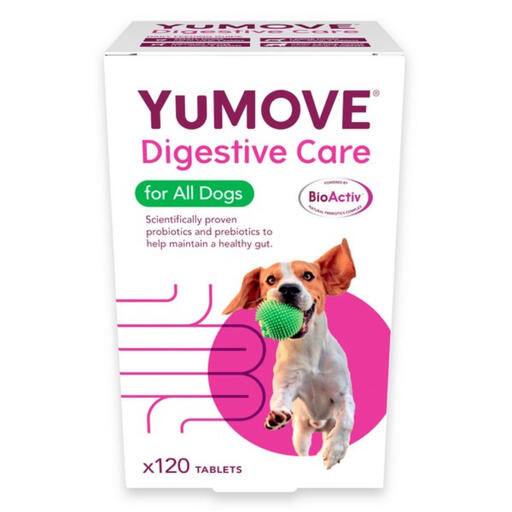
Why This Fits Their Persona: This tablet format is intended for dogs over three months old and can be given by hand or added to food during a consistent daily routine.
The product specifies 200 million Enterococcus faecium bacteria per tablet and identifies its prebiotics as MOS, scFOS and beta-glucans.
A 120-tablet pack with weight-based guidance for small, medium, large and extra-large dogs; not suitable for puppies under three months.
Introduce one new product at a time and follow the label dosage. Keep a simple note of the start date, serving size and any changes in appetite, stools, coat or mobility. This makes it easier to decide whether the product remains worthwhile.
For skin and coat support, compare dog skin and coat supplements by their oil and nutrient sources, while checking for fish or poultry ingredients that may conflict with an elimination diet. For calming products, treat the supplement as one part of a wider routine involving exercise, predictable feeding and gradual behaviour work.
Store tablets, chews, powders and syrups away from children and pets. Do not exceed the recommended amount, and confirm whether a product needs refrigeration or use within a stated period after opening.
We have compiled a complete, real-time list of products that fully satisfy these strict selection criteria and UK safety regulations.
Not always. A complete diet is formulated to provide required nutrients for the stated life stage. Supplements may be considered for a particular nutritional goal, but adding multivitamins for dogs without a clear reason can create unnecessary overlap. Ask your vet if your dog has a restricted diet or health concern.
There is no universal timeframe. It depends on the product, the active ingredients, your dog’s condition and consistency of use. Follow the label period and monitor your dog rather than increasing the dose. Stop and seek veterinary advice if symptoms worsen or a reaction appears.
Only after checking the combined ingredients and discussing them with your vet where appropriate. Joint, digestive, immune and multivitamin products may repeat nutrients such as vitamins C and E, minerals or oils. A targeted routine is usually easier to manage than several overlapping products.