
24/7 Customer Support

Free returns

Same-day & Next-day Delivery

Quality Guaranteed

Unlock Your Welcome Offers: FREE Delivery | Up to 80% OFF | Free 30-day JoyPlus trial
Download the APP
Choosing dog supplements can feel straightforward until you compare labels, serving sizes and broad claims about immunity, mobility or vitality. The right product depends on your dog’s age, size, diet and any existing health concerns—not simply the number of ingredients listed on the front of the pack.
This guide explains the main buying pitfalls, the specifications worth checking and three options for different household needs.
A product containing many vitamins and extracts is not automatically appropriate for every dog. Some dogs already receive complete nutrition from their food, while others may need targeted support such as dog joint supplements, an omega-3 dog chew or a digestive product.
Check whether the label identifies:
A broad product may be convenient, but a targeted formula can be easier to match to a specific nutritional priority.
The cost of dog supplements is affected by the daily amount, not just the tub or bottle price. A larger pack may offer less value if a large dog needs several servings per day.
Calculate the approximate cost per month using your dog’s weight. Also check whether the recommended serving is measured in grams, chews or tablets. This helps avoid accidental overfeeding, particularly when a supplement is given alongside treats or fortified food.
Soft chews and bite-sized treats may be convenient, but palatability should not replace label transparency. Look for analytical constituents, active ingredient quantities and clear feeding instructions. Products with a powder format can be useful for dogs that refuse tablets, while chews may suit owners who want a simple daily routine.
Dog supplements should complement—not replace—a complete diet. If your dog is pregnant, has a diagnosed condition, takes medication or has a sensitive digestive system, speak with a veterinary professional before adding a new product.
For multivitamin supplements for dogs, look beyond phrases such as “8-in-1” or “complete support”. Identify the actual nutrients included and their stated amounts.
For example, a product may contain vitamins B, C and E, omega-3 fatty acids, glucosamine, chondroitin or probiotic microorganisms. These ingredients serve different nutritional purposes, so compare the label with your dog’s needs rather than choosing by headline claims alone.
Owners considering a dog heart health supplement may see ingredients such as taurine and CoQ10 for dogs. These are listed in the LitPet formula alongside L-carnitine, vitamins and minerals. Such products should not be treated as a replacement for veterinary assessment where heart disease is suspected.
Powders can be mixed into food or water, which is helpful for dogs that reject tablets. The LitPet CardioPlus directions specify mixing with food or warm water below 40°C. This is a practical detail worth checking because very hot water may not be suitable for preserving certain nutrients.
Chews are generally simpler to portion, but confirm whether they contain cereals, animal products, shellfish or other ingredients relevant to your dog. A dog that has food sensitivities may require more careful label checking than a dog with no known dietary issues.
A clear weight-based guide is one of the most important specifications. The products below use different formats and serving systems:
Compare these figures with the net quantity. A 75g chew product and a 200g powder product cannot be compared by pack weight alone.
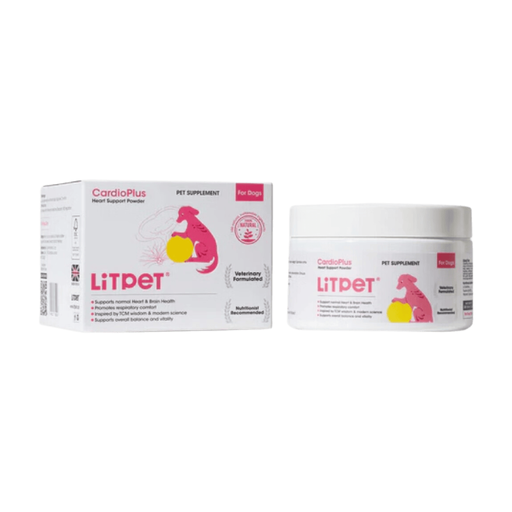
Why This Fits Their Persona: A powder format suits owners managing a targeted daily routine, particularly for larger or senior dogs where measured food-topper servings may be more convenient than multiple chews.
The label provides a 200g quantity, weight-based serving guide and stated amounts for CoQ10 and taurine, rather than relying only on a general heart-support statement.
Fine powder mixes with food or water; the listed formula includes taurine, Coenzyme Q10 and L-carnitine.
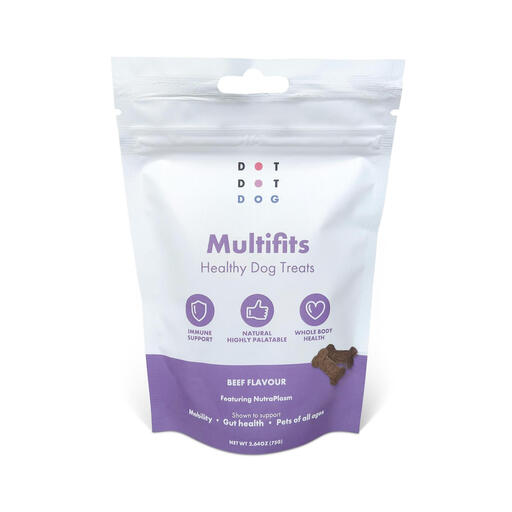
Why This Fits Their Persona: Suitable for owners wanting one daily treat-style product covering several nutritional areas, including mobility, coat, digestion and general vitamin intake.
It gives clear servings for three dog-weight groups and identifies ingredients including plasma, collagen, chamomile and hemp seed oil.
Bite-sized format; listed analytical constituents include 22.5% crude protein and 10% crude fat.
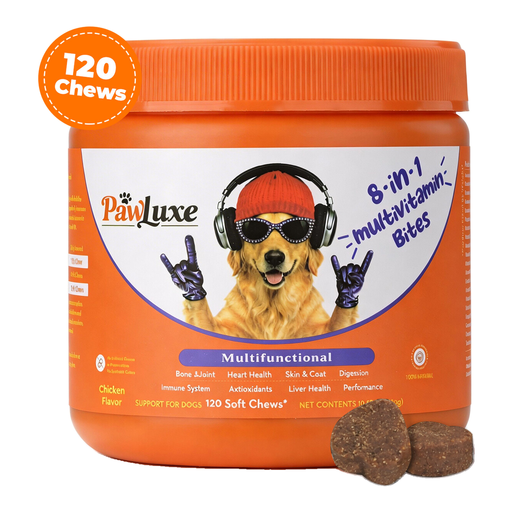
Why This Fits Their Persona: Owners wanting a precisely portioned chew may appreciate the per-chew nutrient breakdown and a large 120-count pack for a consistent routine.
Instead of listing only broad benefits, the product information states quantities per 2.5g chew for EPA, DHA, omega-3, vitamins, glucosamine and chondroitin.
Includes EPA and DHA, glucosamine hydrochloride, chondroitin sulphate and Bacillus subtilis microorganisms.
We have compiled a complete, real-time list of products that fully satisfy these strict selection criteria and UK safety regulations.
Not always. A complete dog food is designed to provide required nutrients when fed as directed. Supplements may be considered for specific preferences or nutritional priorities, but adding several products without checking the combined ingredients can create unnecessary duplication. Ask a veterinary professional if your dog has a health condition or takes medication.
This depends on your dog’s body weight and the stated serving. Divide the net quantity by the daily amount for powders, or divide the total chew count by the number of chews given per day. Recalculate when your dog moves into a different weight category.
Check the product instructions. LitPet advises using food or warm water below 40°C. Follow the label rather than assuming that boiling or very hot food is suitable. Store opened products sealed in a cool, dry place and keep them away from children and other pets.