
24/7 Customer Support

Free returns

Same-day & Next-day Delivery

Quality Guaranteed

Unlock Your Welcome Offers: FREE Delivery | Up to 80% OFF | Free 30-day JoyPlus trial
Download the APP
Buying dog supplies in the UK can quickly become expensive, particularly when packaging makes broad promises without explaining what your dog actually needs. A small-breed puppy, an active working dog and an older family pet will require very different products.
The most useful approach is to compare life stage, body size, ingredients, fit and daily usage rather than choosing based on attractive packaging alone. This guide covers common buying traps, important specifications and a selection of products for different households.
Words such as “natural”, “premium” or “complete” can be difficult to compare without checking the composition and analytical constituents. For dog food, look for:
Dry dog food is convenient to store and portion, while wet dog food has a high moisture content and may suit dogs that prefer softer textures. Neither format is automatically suitable for every dog, so the label and your dog’s individual needs matter more than the format alone.
Dog treats should be included within the daily calorie allowance, especially for smaller dogs. Dental chews are also not a replacement for brushing or veterinary dental checks. Similarly, dog supplements, dog probiotics and calming supplements for dogs should be treated as additions to a suitable diet, not as guaranteed solutions for medical or behavioural problems.
Check the active ingredients, serving size, allergies and warnings. If your dog takes medication, is pregnant, has a diagnosed condition or develops persistent symptoms, speak with a veterinary professional before introducing a supplement.
A harness that is too loose may allow a dog to escape, while one that is too tight can rub or restrict movement. Interactive dog toys also need regular inspection. Electronic toys, removable covers and small components require supervision, particularly for dogs that chew aggressively.
For everyday feeding, select a product clearly described as a complete pet food for your dog’s life stage. Compare the feeding table with your dog’s weight and activity level, then adjust portions according to body condition. Active working dogs may require different energy intake from lightly active pets.
For multi-pet households, consider storage space and freshness. A large 15kg bag can be practical for several dogs, but only if it can be sealed and kept in a cool, dry place. Smaller bags may reduce the risk of food losing freshness before it is finished.
Look for the amount of each active ingredient per chew or measured serving, rather than relying only on phrases such as “multi-action”. For example, a dog hip and joint supplement may list glucosamine, MSM and chondroitin separately. A probiotic product should state the strains and CFU quantity.
Avoid doubling up unnecessarily. A multivitamin chew combined with several targeted products may provide overlapping nutrients. Follow the packaging directions and monitor your dog when introducing anything new.
A no-pull dog harness should be adjusted around the chest and shoulders without restricting normal movement. Check the fastening system before every walk and inspect webbing for wear.
For puppy oral care, use products made for pets rather than human toothpaste. Dental chews must match the dog’s weight range and age. Toys should be selected according to chewing strength, size and whether play will be supervised.
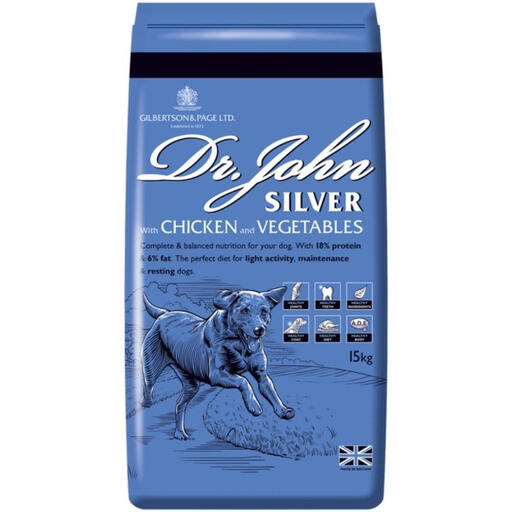
Why This Fits Their Persona: The 15kg format can suit households seeking a larger everyday dry dog food pack for adult or senior dogs with lighter activity levels.
The product page provides stated protein and fat levels of 18% and 6%, helping shoppers compare the formula beyond front-of-pack wording.
Chicken and vegetables; resealable storage guidance; suitable for adult and senior dogs according to the listing.
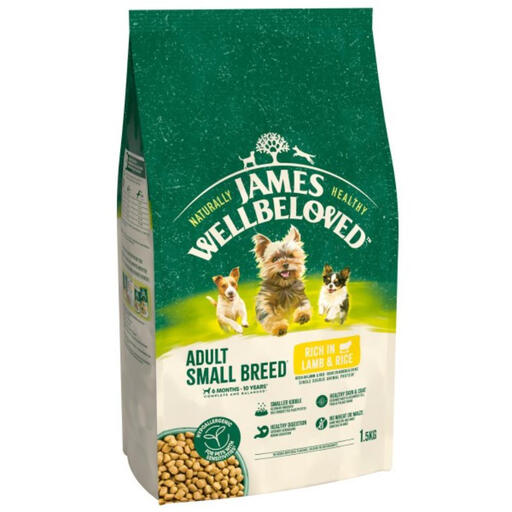
Why This Fits Their Persona: Small-dog owners can compare a lamb-and-rice recipe with smaller kibble designed for smaller mouths.
The listing identifies excluded ingredients, including beef, pork, soya, eggs, dairy and wheat, rather than leaving dietary information vague.
Small kibble; 24% protein and 14% fat listed; includes prebiotic and fibre ingredients.
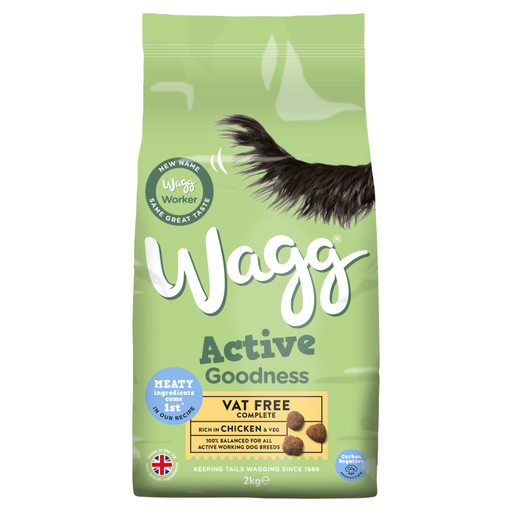
Why This Fits Their Persona: Active working-dog households can use the feeding table to adjust portions across small, medium, large and extra-large dogs.
The listing specifies the intended use, minimum age of 8 weeks, composition and feeding quantities instead of presenting the food as suitable without conditions.
Complete feed for active working dogs; 22% protein and 8% fat; includes omega 3 and omega 6.
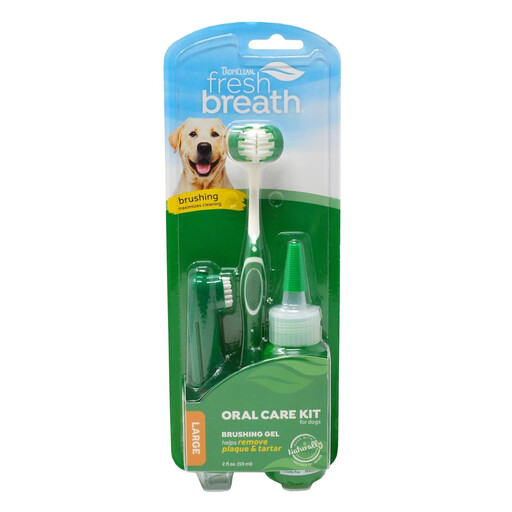
Why This Fits Their Persona: Puppy owners establishing a daily routine receive a gel, triple-flex brush and finger brush in one kit.
It is specifically listed for puppies and gives direct brushing instructions, including a warning never to use human toothpaste.
59ml size; two brush options; directions recommend gradual introduction and daily use.
We have compiled a complete, real-time list of products that fully satisfy these strict selection criteria and UK safety regulations.
Costs depend on your dog’s size, food format, activity and whether you need targeted products. Food is usually the main recurring expense. Treats, dental chews and supplements add to the monthly total, so compare serving costs rather than pack price alone.
This depends on pack size, feeding amount and storage conditions. Keep dry food sealed in a cool, dry place and follow the packaging guidance. Buy a size your household can use while the food remains fresh.
Not every dog needs supplements. A complete diet may already provide required nutrients. Consider a targeted product only after checking the ingredients, dosage and suitability for your dog. Veterinary advice is appropriate where there are ongoing health, mobility, digestive or behavioural concerns.