
24/7 Customer Support

Free returns

Same-day & Next-day Delivery

Quality Guaranteed

Unlock Your Welcome Offers: FREE Delivery | Up to 80% OFF | Free 30-day JoyPlus trial
Download the APP
As a nation of dog lovers, we want what’s right for our four-legged family members. Yet, navigating the world of dog supplies can feel overwhelming. Shelves are packed with products promising the world, but not all of them deliver. As the Joybuy Product Recommendation Officer, my role is to help you see past the marketing clutter and make informed choices that benefit both your dog and your wallet. This guide will walk you through common purchasing pitfalls and highlight the key factors to consider.
Many well-intentioned owners find themselves with a cupboard full of unused toys or half-eaten bags of expensive food. This often happens by falling into one of these common traps.
To avoid these traps, focus on a few non-negotiable parameters. Understanding these will empower you to choose products that are safe, effective and offer genuine value.
The ingredients list is your most powerful tool. Here’s what to look for:
A toy's material dictates its suitability for your dog's play style.
When considering a supplement, the active ingredients are what count.
Instead of a generic list, we've matched specific products to the UK dog owners who will benefit from them most.
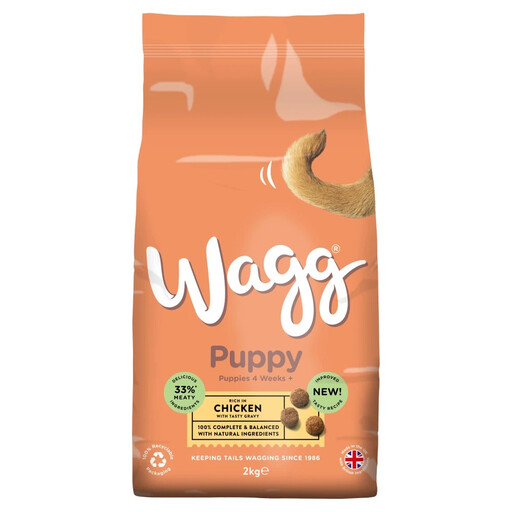
Why This Fits Their Persona: This complete dry food provides all the essential nutrients for a growing puppy without a premium price tag. It's a practical choice for owners navigating the early stages of dog ownership, ensuring their pup gets a balanced diet formulated for development.
It avoids the "one-size-fits-all" food trap by being specifically formulated as a puppy food, with balanced calcium and vitamin D for bone development and a higher protein content for muscle growth.
Contains natural prebiotics from chicory root to support digestive health and a blend of omega-6 and omega-3 fatty acids for healthy skin and a glossy coat.
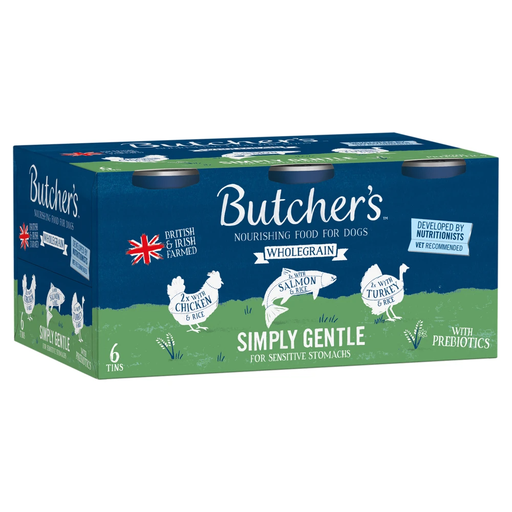
Why This Fits Their Persona: This owner carefully scrutinises labels to find a dog food for sensitive stomachs. This wet food is specifically designed for gentle digestion, using wholegrain rice and avoiding common artificial additives that can cause upset.
It cuts through the vague "natural" marketing by clearly stating its purpose for sensitive digestion and including beneficial prebiotics like MOS & FOS to support healthy gut bacteria.
Made with British & Irish farmed meat and is free from artificial flavours, colours and preservatives, offering a straightforward and trustworthy meal option.
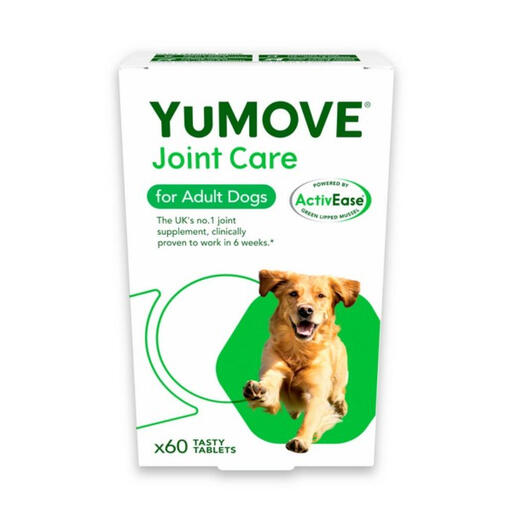
Why This Fits Their Persona: This owner is proactive about their dog's mobility, whether they have a highly active working breed or an older companion showing signs of stiffness. They need a targeted supplement with proven ingredients to support joint health.
It avoids the vague supplement trap by clearly listing its active ingredients and their amounts, including 250mg Glucosamine HCl and 150mg Green Lipped Mussel powder per tablet.
It contains a unique blend of Omega-3s from ActivEase Green Lipped Mussel to soothe stiff joints, plus Hyaluronic Acid for lubrication and shock absorption.
We have compiled a complete, real-time list of products that fully satisfy these strict selection criteria and UK safety regulations.
There is no fixed timeline, as it depends entirely on your dog's chewing habits and the toy's material. The most important rule is to inspect dog toys regularly. Look for cracks, loose threads, exposed squeakers or any pieces that could be torn off and swallowed. Once a toy shows significant signs of wear, it's time to replace it to ensure your dog's safety.
Both wet dog food and dry dog food can provide complete nutrition. The main differences are in moisture content, texture and storage.
Not necessarily. Grain-free dog food is an excellent option for dogs that have a diagnosed grain allergy or sensitivity. However, for the majority of dogs, whole grains can be a healthy source of fibre and nutrients. The quality of the protein and other ingredients in the food is often more important than simply whether it contains grain or not. If you suspect a food allergy, it is always advisable to consult with your vet.