
24/7 Customer Support

Free returns

Same-day & Next-day Delivery

Quality Guaranteed

Unlock Your Welcome Offers: FREE Delivery | Up to 80% OFF | Free 30-day JoyPlus trial
Download the APP
Choosing suitable dog toys can be more complicated than it appears. A bright colour, bold “indestructible” wording or an impressive sound feature does not necessarily mean a toy will suit your dog. The right choice depends on your dog’s size, age, chewing strength, preferred activity and how closely you can supervise play.
This guide explains the main buying pitfalls, the specifications worth checking and our top recommendations for different UK households.
No dog toy is suitable for every chewing style. A soft plush toy may work well for gentle play but fail quickly with a powerful chewer. Even rubber, nylon and woven toys can split, crack or shed pieces over time.
Check the product warning carefully. If your dog tends to destroy toys or swallow fragments, choose a sturdier design intended for their size and supervise use closely.
A label such as “for all breeds” is only a starting point. A 15cm ball may be manageable for many dogs, but mouth size, jaw strength and playing habits still matter. Small dogs may struggle with oversized fetch toys for dogs, while a toy designed for puppies may not withstand an adult dog’s bite.
Always compare the stated dimensions with your dog’s mouth and carrying ability. Avoid toys that could be swallowed whole or become lodged in the mouth.
Squeaky dog toys, flashing toys and electronic balls can attract attention, but they also introduce extra components that need inspection. A damaged squeaker, exposed battery compartment or loose plastic part can create a safety concern.
Sound-sensitive dogs may also prefer quieter enrichment. Consider whether the feature suits your home, your dog and your neighbours before paying extra for it.
For light play and cuddling, plush dog toys can be comfortable choices. Look for securely stitched seams and avoid giving soft toys to dogs that routinely remove stuffing.
For chew toys for dogs, rubber, TPR, natural rubber and nylon are common materials. A textured exterior may provide extra grip, while a woven or double-layer structure can offer greater resistance to pulling and chewing. However, material descriptions should not replace supervision or regular checks.
If you are considering rope toys, inspect the fibres frequently. Loose strands can be pulled out and swallowed. A rope-and-TPR design may be suitable for interactive chewing and tugging, but it is not automatically appropriate for aggressive chewers.
Size is particularly important for puppy toys, dog toys for small dogs and toys used for fetching. A toy should be large enough not to fit entirely inside your dog’s mouth, yet light enough for them to carry comfortably.
For outdoor balls, also consider where you will play. A lightweight inflatable toy is easy to transport, but it must not be over-inflated and should be removed if it leaks or becomes damaged.
Different toys support different routines:
In the UK, follow the instructions and warnings supplied with the product, including supervision guidance and disposal instructions. Pet toys are not substitutes for training or veterinary advice. If your dog ingests part of a toy, contact a vet promptly.
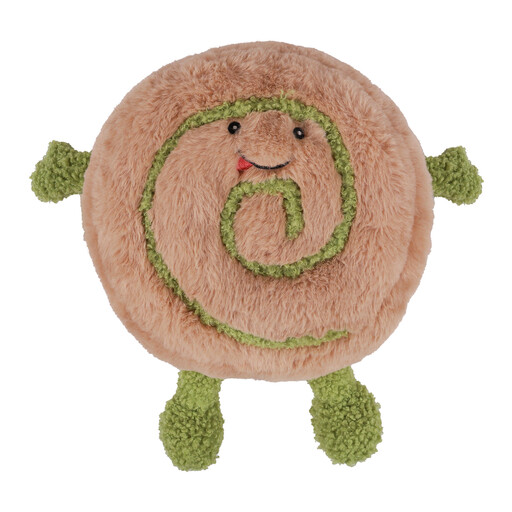
Why This Fits Their Persona: A soft, single-toy option for households wanting a cuddle companion and gentle play toy without choosing several specialised products.
The description clearly states that it is not suitable for aggressive chewers, helping buyers match expectations rather than assuming plush means tough.
Soft plush and boucle fabrics; hidden squeaker; suitable for cuddling and gentle interactive play.
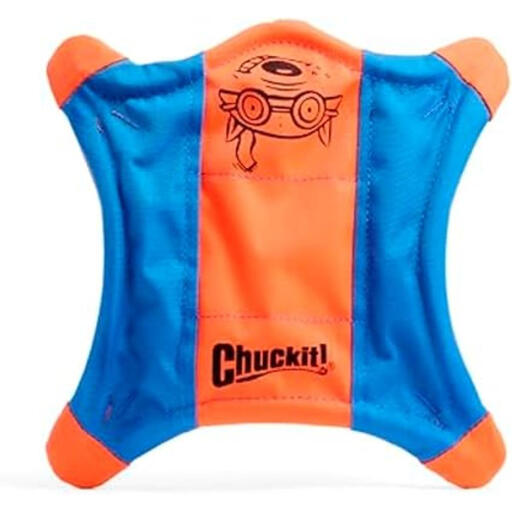
Why This Fits Their Persona: Suited to owners who prioritise structured outdoor fetch in a garden, park or other open space.
It is identified as a fetch toy rather than a chew toy, so owners receive a clearer reminder to supervise and replace it when worn.
Lightweight and buoyant construction; curved sides for easier retrieval; glow-in-the-dark feature for low-light play.
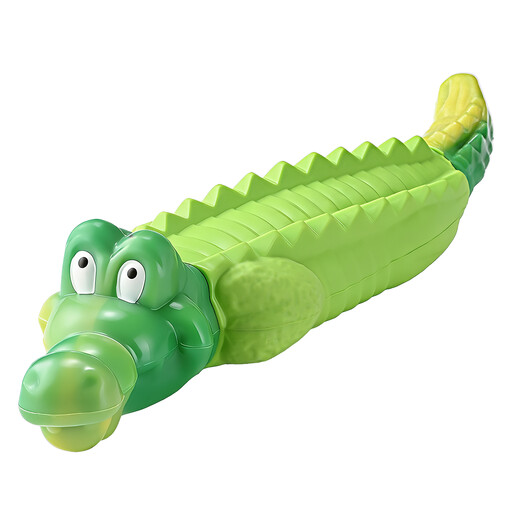
Why This Fits Their Persona: Designed for medium and large dogs that regularly take part in chewing, tugging, retrieving and outdoor play.
Its stated size range and 24 × 6cm dimensions make it easier to avoid giving a small dog an oversized toy or expecting a plush item to handle forceful chewing.
Natural rubber exterior with a nylon core; textured crocodile shape; suitable for fetch and interactive outdoor play.
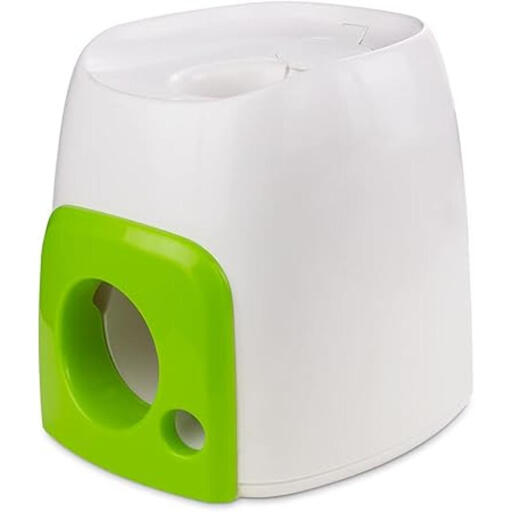
Why This Fits Their Persona: A practical choice for owners looking to add food-based problem-solving and independent activity to a dog’s routine.
It does not rely on batteries or electronic parts, while the owner can begin with simple ball-and-treat interactions before increasing the challenge.
Uses an included tennis ball to release treats; additional hiding compartments; battery-free operation.
We have compiled a complete, real-time list of products that fully satisfy these strict selection criteria and UK safety regulations.
Use separate toys for chewing, fetching and cuddling rather than expecting one product to handle every activity. Introduce new toys gradually, particularly for puppies or dogs that lose interest quickly. Wash or wipe toys according to the product instructions and allow them to dry fully before storage.
Inspect seams, squeakers, batteries, rope fibres, rubber surfaces and inflatable sections regularly. Replace a toy at the first sign of cracks, exposed internal parts, leaking air or detached pieces. Rotate suitable toys rather than leaving the entire collection available at once; this can help maintain interest without relying on increasingly complex features.
Choose puppy toys that are appropriately sized, easy to carry and made from materials suited to gentle chewing. Soft rubber, flexible TPR and supervised plush toys may be considered, but puppies vary considerably in chewing behaviour. Avoid small detachable parts and inspect toys frequently as teeth and play habits change.
There is no universal lifespan. A gentle dog may use a toy for much longer than a powerful chewer. Replace it whenever it becomes cracked, torn, loose, heavily frayed or damaged around a squeaker or battery compartment. Cleaning and storage can help, but they cannot restore a worn toy.